
European leaders don’t need encouragement to enjoy the summer sun. So let them make full use of the favorable political “weather.” From Viktor Orban’s departure in Budapest to the induction of a new French president next May, Europe will experience a rare period of consensus in supporting Ukraine.
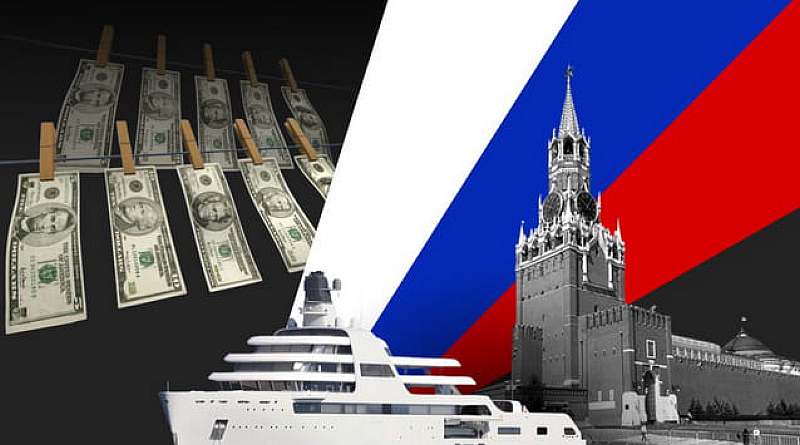
When the suntanned high officials return to work in September, the first item on the agenda should be the confiscation of the Russian Central Bank’s assets: about €210 billion, frozen since 2022, mostly held by the Belgian company Euroclear. The EU’s plan to confiscate these funds for Ukraine failed due to Russian death threats to Belgian officials and other more conventional (legal) forms of intimidation. Prime Minister of Belgium, Bart De Wever, stated last year that he would gladly hand over the money to anyone willing to compensate Belgium; given the associated risks, he added that he would provide a few security guards and an armored vehicle for free.
The solution is for the EU to independently take control of the frozen accounts. Russia can intimidate individual Belgians. However, European commissioners and high officials are unlikely to be made to fear for their lives. The EU would provide assurance to compensate for any remaining risks faced by Belgium and Euroclear, which holds €185 billion. All other frozen Russian sovereign accounts in the EU (totaling around €210 billion) can also be transferred to the EU under the same scheme.
Once these funds are at the EU’s disposal, they do not necessarily need to be confiscated immediately (though I would support such an approach). The EU would decide how to use them: for example, as collateral for a loan to Ukraine, to be repaid only when Russia starts paying war reparations. (The cost of post-war reconstruction alone is estimated at over €500 billion).
Regardless of this decision, the mere fact of transferring the funds to an EU-owned organization will have a powerful effect. Putin will fear that the influx of a huge amount into Ukraine is only a matter of time. Thus, Ukraine’s negotiating position will be strengthened. Also, this money will be protected from the Trump administration, which last year proposed using the frozen assets within a non-transparent and US-beneficial investment deal.
The use of funds in favor of Ukraine will reduce political pressure from skeptical voters in countries like France and Germany, who prefer taxpayer money to be spent at home rather than on a war abroad.
The “Russian transfer” plan, developed with input from my friend, British commentator Hugo Dixon, recently garnered support from three political figures: Annegret Kramp-Karrenbauer (former German defense minister); Nathalie Loiseau (former French Europe minister) and Daleep Singh (former head of the sanctions program in the Biden administration).
Signs of progress include a recent visit by Belgian Foreign Minister Maxime Prevot to Kyiv as a show of support, stating that discussions continue. He emphasized that Belgium is “generally not opposed to using frozen assets.”
The window of opportunity is not only political but also financial. The €90 billion EU loan for Ukraine, meant to cover needs for 2026 and 2027, is insufficient. At the current pace, Kyiv’s cash reserves will run out early next year. Consequently, it will be hard to comply with the IMF’s debt sustainability rules (currently based on the optimistic assumption that the war will end this year), significantly complicating the raising of funds from other international lenders.
It’s much cheaper and easier for the European Union to solve the problem now than to wait until Ukraine is in financial crisis and Europe in a geopolitical one.
Illustration: Transparency International
