

The old world order continues to collapse along with its political, economic, and security systems. Some countries still try to rely on the rules formed after 1945, while Russia, China, and other dissatisfied nations demand new rules to gain more political influence.
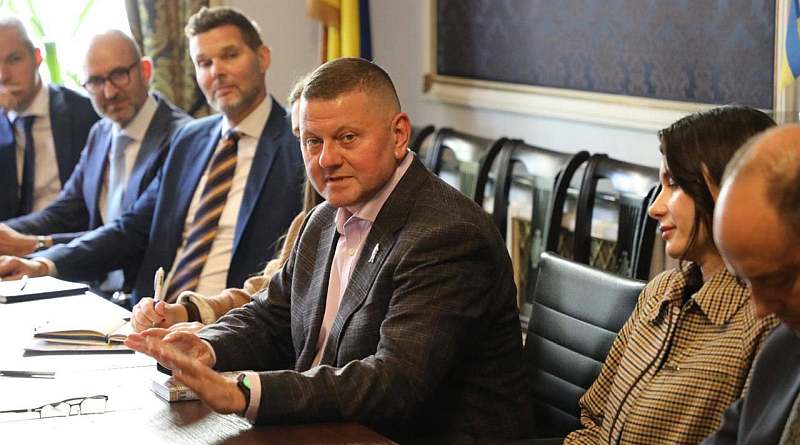
We discussed the challenges to international security with officers from the Netherlands who are undergoing the Higher Defence Education program. Can the existing security system protect the old world order under such conditions? This is a big question. Europe needs new doctrines and a new security system that considers the realities of modern warfare. It’s not just about technologies and drones, but about the tactics of their application, integration into the organizational structure of the armed forces, and the establishment of new production.
The old systems operate by inertia—the same arms manufacturers have multimillion-dollar contracts planned decades ahead. Are they interested in having their niche taken over by new cheap drones? The answer is obvious.
The issue of personnel is another challenge, especially for small European countries that cannot rely on a large mobilization resource. The only solution here is the implementation of defense technologies and smart mobilization.
But the main point I always emphasize in such discussions with Europeans is the need for political will for change. Clear political goals, a strategy for achieving them, and readiness for sometimes unpopular decisions are needed. Europe has the resources, has the technologies, and counts as allies one of the two countries in the world with real experience in modern warfare—Ukraine. With Ukrainian experience, there are all the possibilities to build a joint European security system effective in a world of new threats.


All photos: Facebook/Valeriy Zaluzhnyi
