
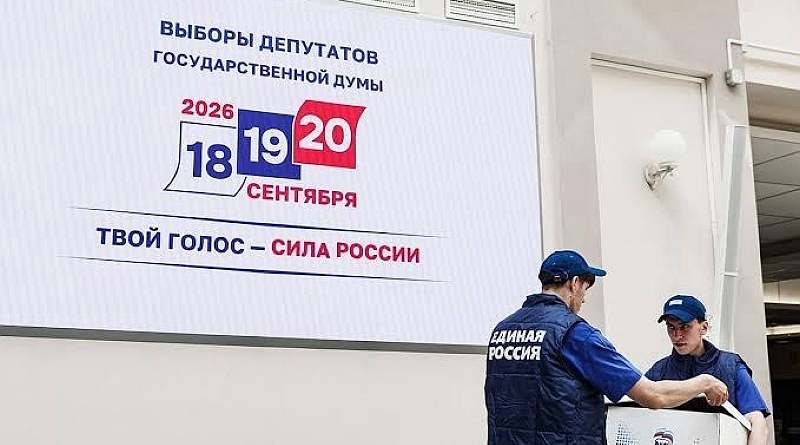

From September 18 to 20, citizens of the Russian Federation head to the polls, while the capital region is shaken by unprecedented attacks from Ukrainian drones. Local authorities are forced to report civilian casualties amid regular air raids, making the illusion of a peaceful life in the deep rear unfeasible.
While state channel outlets report high voter turnout, people witness firsthand the destroyed facades of high-rise buildings and burning warehouses. This contrast between propaganda and reality sets a grim tone for the entire electoral process, as society remains in constant anxiety about its future.
Official ballots offer voters a list of Kremlin-loyal political forces, with no genuine opposition present. The court parties unconditionally support the current military campaign, and their pre-election rhetoric contains no calls for the peaceful development of the state.
The only political entity that dared to advocate for ending hostilities, the “Yabloko” party, was harshly excluded from participation by a court ruling. As a result, voters are deprived of the opportunity to express protest legally, as all candidates allowed to vote compete solely in the aggressiveness of militaristic slogans.
Although pro-government analytical centers predict a confident victory for the “United Russia” party, independent analysts observe a catastrophic decline in the real rating of the ruling party, as the population shows deep fatigue from the prolonged conflict. Problems of endless war continuously accumulate as citizens face relentless inflation and declining real incomes daily. The economy has shifted to a war footing, resulting in reduced funding for civilian sectors, while food prices continue to rise rapidly. People understand that deputies bear responsibility for the worsening living conditions, yet changing course through the voting procedure is impossible.
The most pressing question is what decisions the government will make immediately after the formal electoral process concludes. Political scientists warn that the country’s leadership has already prepared the digital infrastructure for a new large-scale mobilization to replenish depleted army reserves with hundreds of thousands of new soldiers. Authorities postponed unpopular steps until after the elections to avoid provoking a social explosion.
Now the state has complete freedom to implement any coercive measures directed against its people.
A unified registry of those liable for military service allows for electronic summons to be sent automatically, instantly depriving the recruit of the right to leave the country.
Many citizens strive to leave large cities in advance, as they reasonably fear mass conscription to the front after the election results are announced. The upcoming period carries enormous risks for society, which has become a hostage to the ruling elite. Elections have ultimately turned into an empty ritual, meant only to legitimize upcoming decisions.
