
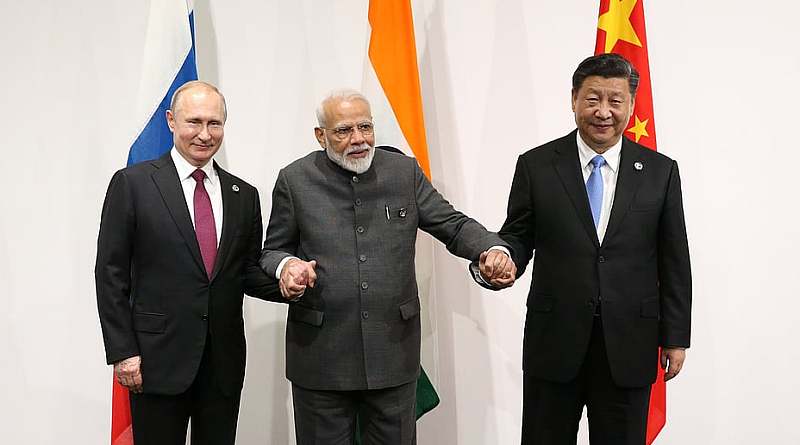

The capital of Kyrgyzstan has become the central platform of global diplomacy, where another summit of the Shanghai Cooperation Organization has opened. The main intriguing element of the program was the bilateral meetings, demonstrating the growing desire of Asian leaders to influence the trajectory of the European conflict.
Indian Prime Minister Narendra Modi, during a personal conversation with Vladimir Putin, directly emphasized the extreme necessity of a swift transition from endless military actions to sustainable peace. The Indian leader stated that each day of armed confrontation sets humanity back, and any steps toward diplomatic resolution offer the planet new hope.
This rhetoric echoes New Delhi’s previously voiced position on the inadvisability of military methods in the 21st century. Modi reminded of the historical values of non-violence, proposing to utilize the full potential of Indian mediation to achieve stability. The Russian President, responding to his partner’s words, assured openness to dialogue, while simultaneously continuing to insist on the Kremlin’s practically ultimatum-like demands.
In Bishkek, the meeting of Putin with Chinese President Xi Jinping was marked by a demonstration of global unity. The Russian side declared an absolute alignment of the two states’ fundamental foreign policy approaches. However, behind the loud formulations lies a careful diplomatic game.
The Chinese leader focused on strategic stability, bilateral economic cooperation, and issues of humanitarian interaction. Military themes were touched upon cautiously. Beijing benefits from the role of a key peacemaker, so openly endorsing further escalation is not in China’s plans, as it seeks to maintain access to European markets and strengthen its reputation as a responsible superpower.
On the sidelines of the platform in Bishkek, there are active attempts to bring peace negotiations on Ukraine back to the current agenda. The international community is showing accumulated fatigue from the protracted crisis, provoking global disruptions in logistics, energy, and food security.
Leaders of the leading countries of the Global South are trying to develop compromise formulas capable of bringing the parties back to the negotiating table.
However, key disagreements remain unresolved. Kyiv’s position on stopping the war at the front line. Moscow’s persistent desire to retain control over occupied territories and seize all of Donbas, or else Putin will face consequences. There are significant differences in views regarding Ukraine’s security guarantees.
The Bishkek summit demonstrated the gradually changing balance of power within the Asian bloc. The Kremlin, which had hoped to find in the SCO a reliable support against the West, faces a strong desire of key partners to close the Ukrainian case and return to stable economic development.
