

Information on the current losses of Russia due to sanctions as of 23.06.2026.
1. Ukrainian drones attacked energy and fuel facilities in occupied Crimea and Kuban.
– On the night of June 23, Ukrainian drones struck a number of energy and fuel facilities in occupied Crimea and Russia’s Krasnodar region.
– According to monitoring resources, the “Nasosna-2” substation in the Sovietsky district of Crimea was hit. A fire broke out at the facility after the attack, and power outages were recorded in several areas of the peninsula.
– There were also reports of a repeated strike on the oil depot in the seaport of Kerch, which was previously attacked on June 21, and on the oil terminal in the port of “Kavkaz” in Kuban. Fires broke out at both sites. Additionally, the storage and transshipment complex for oil products “TES-Terminal” in Kerch—a key logistics center for fuel and liquefied gas on the occupied peninsula—was struck.
– A fire also erupted at the Kerch TPP in the Arshintsevo area. Preliminary data indicate a fuel oil storage tank was hit. Smoke from the fire extended for tens of kilometers.
– The attack was one of the largest on the energy infrastructure of occupied Crimea in recent times and caused disruptions in several energy supply facilities.
2. Russia is forced to redeploy air defense systems from the front to protect Moscow.
– Russian authorities are attempting to strengthen air defense around Moscow due to regular Ukrainian drone strikes. The “Pantsir” missile system was deployed near a key fuel infrastructure facility in the capital, indicating increasing Kremlin concern over city security.
– Some air defense systems are being redeployed from other directions, including combat zones. This points to an increasing shortage of air defense resources, which Russia is unable to produce and replace in necessary volumes.
– A significant portion of Russian air defenses were created to counter aircraft and missiles but are less effective against mass drone attacks. This forces Russian command to allocate more resources to rear defense instead of supporting the front.
– An additional indication of problems may be the condition of deployed systems. One “Pantsir” spotted near Moscow had additional protection and signs of limited ammunition, which may indicate a shortage of modern air defense systems and increasing strain on Russian defense infrastructure.
– Ultimately, the Kremlin faces an increasingly difficult choice: weaken troop coverage at the front or cope with growing risks to Moscow and key facilities deep within Russian territory.
3. Occupied Crimea Suspends Children’s Camps Due to Fuel Crisis After Strikes on Logistics.
– The occupational authorities of Crimea announced the suspension of children’s summer camps and part of tourist activities until September due to fuel supply issues.
– The reason is disruptions in logistics following Ukrainian strikes on supply routes and transport infrastructure, complicating fuel delivery to the peninsula. The fuel crisis is further evidence of increasing difficulties in supplying occupied Crimea with resources.
– After a series of attacks on transport hubs and logistical routes, Russia is forced to spend more resources to maintain the functioning of the peninsula.
– For the Kremlin, the situation is particularly telling, as Crimea has long been presented as a symbol of Russian control over occupied territories. Now, even the provision for the tourist season and children’s camps depends on the stability of logistics, which is increasingly being struck.
4. Tax Debt of Russians and Businesses Reaches a Record 4 Trillion Rubles.
– The combined debt of citizens and companies in Russia for taxes, duties, and insurance contributions as of April 2026 has reached nearly 4 trillion rubles. This figure has grown by about a third over the year. According to Rosstat, the direct arrears in taxes, duties, and insurance contributions amount to 1.7 trillion rubles. The remaining sum accounts for penalties, fines, and interest accrued for late payments.
– The largest debt is accumulated from value-added tax (648 billion rubles). Next are corporate income tax (294 billion rubles) and insurance contributions (292 billion rubles).
– The growth in tax debts reflects increased financial pressure on businesses and the population amid the economic slowdown and high Russian budget expenses.
5. Gazprom Shares Continue to Decline, Reaching a Nearly Two-Decade Low.
– The value of Gazprom shares has fallen below 100 rubles per share, returning to 2008 levels. Gazprom has lost about 75% of its value from pre-war highs, with the company’s capitalization decreasing by over 7.5 trillion rubles.
– This is one of the largest declines among major Russian corporations. The company, once a symbol of Russian influence on the European gas market, increasingly becomes a financial burden for the economy, with its ability to generate windfall profits for the budget continuing to diminish.
6. Fuel Crisis in Russia Escalates: Wholesale Gasoline Prices Exceed 100 Rubles per Liter.
– The Russian fuel market is experiencing an intensifying fuel shortage following a series of successful strikes on refining infrastructure. Actual wholesale prices for gasoline and diesel fuel in certain regions have already reached record levels and significantly exceed official exchange quotes.
– In small wholesale, gasoline is sold for 95–105 rubles per liter, and diesel fuel up to 115 rubles. Meanwhile, oil traders report a severe shortage of resources and delivery delays reaching two to three months in some cases.
– According to market participants, the current gasoline production lags behind internal demand by approximately 20%. This already leads to market imbalances and a sharp rise in actual prices.
– While previously the Kremlin managed to compensate for losses in refining capacities with reserves and flow redistribution, the shortage is now beginning to manifest directly in the market.
7. The US Senate called for increased sanctions pressure on Russia and cutting off the main source of war funding.
– US Senator Jerry Moran stated that strict enforcement of oil sanctions continues to deliver a significant blow to the Russian economy and limits the Kremlin’s ability to fund the war against Ukraine.
– According to him, the sanctions force the Russian authorities to increasingly choose between military expenditures and financing the country’s internal needs.
– Despite the temporary easing of restrictions that allowed Moscow to gain additional billions of dollars from energy exports, Russia has not achieved decisive results on the front, while economic pressure continues to accumulate.
– Moran supported the US administration’s intention to return to stricter control over compliance with sanctions against Russian oil and emphasized that energy revenues remain a key source of filling the Russian budget.
– The senator stressed that the restrictions have already proven effective: reducing oil revenues weakens the Kremlin’s financial capabilities, increases the budget burden, and complicates funding of Russia’s war machinery.
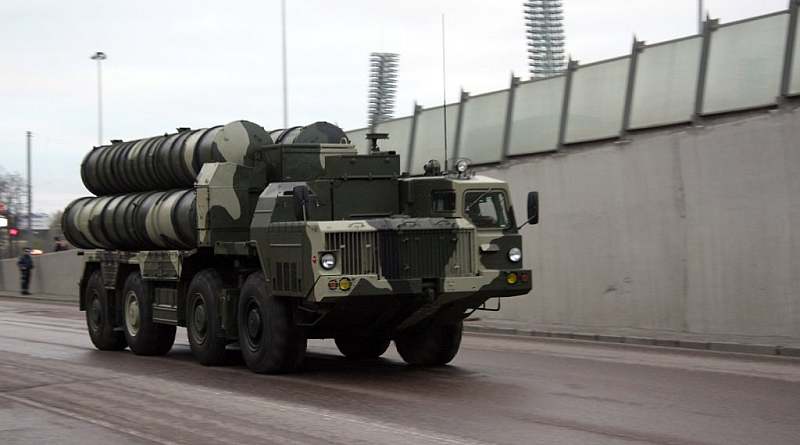
Cover image: S-300 — a family of Soviet medium-range surface-to-air missile systems. Photo: open sources
