

The military conflict between the USA and Iran, now ongoing for two hundred days, has turned some of the key transport arteries of the planet into zones of total risk.
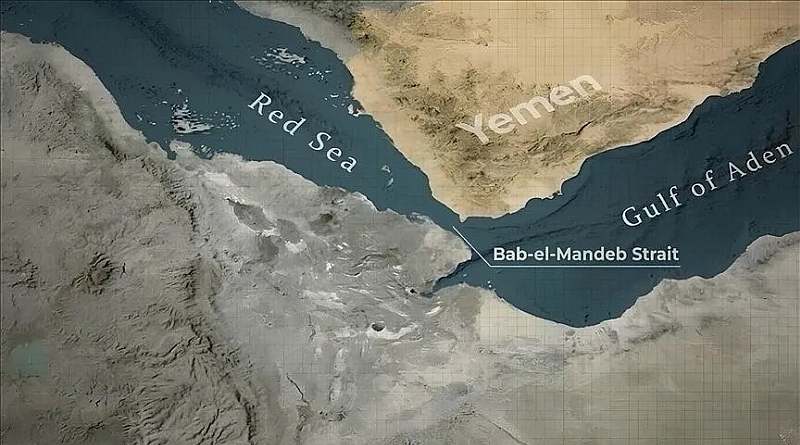
A full-scale paralysis of maritime transit in the Middle East ensued after Yemeni Houthis laid naval mines in the Bab-el-Mandeb Strait, blocking one of the last relatively safe routes for world trade in the region.
The situation reached a critical point when a chain of successive blockages completely destroyed Middle Eastern logistics. First, the actual closure of the Strait of Hormuz isolated the Persian Gulf’s waters, and then direct damage to the Saudi oil pipeline infrastructure, which linked eastern fields to western ports of the Red Sea, stopped an alternative land maneuver. Blocking the Bab-el-Mandeb Strait was the final blow, because now oil exports from the region have practically ceased.
The unfolding crisis is creating tremendous political pressure on Donald Trump as the upcoming US mid-term elections require the administration to quickly stabilize global markets. The American voter reacts painfully to the sharp rise in gasoline prices, which inevitably accompanies the complete halt of raw material supplies from the Middle East. The White House faces a complex choice between extremely dangerous military escalation and inevitable electoral losses.
The global energy shock is exacerbated by the situation in Russia, where a significant diesel fuel shortage is also observed. Previously, internal difficulties of a major oil product exporter could be compensated by global reserves, but under Middle Eastern siege conditions, the international market loses compensatory mechanisms, turning a local fuel shortage into a factor of global logistic cost increases.
The fact that Houthi insurgents mined this crucial strait proves the conflict’s transition into a phase of complete infrastructure destruction.
Insurance companies refuse to cover the risks of ship passage through the Red Sea, and tanker fleets are forced to make weeks-long detours around the African continent.
The extension of transport routes has created a shortage of available ships, causing a sharp rise in freight costs. Consumers worldwide face delays in basic goods deliveries as transport corporations reassess their usual logistics chains.
The paralysis of global trade undermines the principles of free navigation built over decades, as even the international coalition present in the region cannot guarantee the safety of passage through the straits. Losing control over key maritime junctions threatens the food and energy security of dozens of nations, forcing global governments to prepare for a protracted economic crisis.
The freedom of navigation has been almost completely destroyed as a result of the large-scale geopolitical escalation.
