

Information on current Russian losses due to sanctions as of 09.09.2026.
1. Ukrainian drones attacked the port of Novorossiysk: an oil terminal was on fire.
– On the night of September 9, Novorossiysk in the Krasnodar region was attacked by drones. A fire broke out in the port infrastructure area, eyewitnesses reported explosions and Russian air defense activity.
– According to OSINT analysis by ASTRA, the fire occurred on the territory of the LLC “Novorossiysk Oil Terminal.” At least one terminal tank was affected.
– The Novorossiysk Oil Terminal is part of the transport hub of Russia’s largest seaport by turnover. The enterprise specializes in storing and handling fuel oil and light oil products, with a capacity of about 4 million tons per year.
– Novorossiysk is a key point for the export of Russian oil, oil products, and grain. Previous attacks have already caused serious disruptions to port infrastructure operations, and the international container operator MSC has suspended new bookings to Novorossiysk.
2. Ukraine systematically destroys Russian Tu-95s, which Russia can no longer produce.
– Ukraine is systematically reducing the fleet of Russian strategic bombers Tu-95, which Russia is essentially unable to replenish with new production.
– Over six weeks, Ukrainian long-range drones twice struck such aircraft at the Engels-2 airbase. During a strike at the end of August, one Tu-95 sustained severe damage to its right wing and is likely unable to fly again.
– In July, another aircraft at the same base was hit — its tail section was practically destroyed. Another Tu-95 was damaged earlier this summer.
– Tu-95s have not been produced in Russia since 1992. It is estimated that Russia may have only 20–30 of such aircraft remaining, possibly even fewer. Before the recent strikes at Engels-2, Oryx confirmed at least 10 Tu-95 losses since the start of the full-scale war. The Tu-95 is one of two types of Russian aircraft capable of launching long-range Kh-101 cruise missiles. These bombers play a crucial role in massive strikes on Ukraine, including on the energy infrastructure in winter. Reducing their fleet directly decreases Russia’s potential for simultaneous massive missile strikes.
– For strikes on Engels-2, the SBU used long-range MICH-2000 drones. Their range is about 1240 miles, allowing routing around areas with the densest Russian air defense.
– For Russia, the problem is not only the losses but also the inability to quickly compensate for them. Each destroyed Tu-95 is an aircraft that the Kremlin cannot simply order from a new factory.
– As the fleet decreases, Moscow will be forced to choose between using the planes for the war against Ukraine and preserving the remaining strategic aviation for the future.
3. The Russian Central Bank has become the world’s largest seller of gold.
– The Bank of Russia in 2026 increased gold sales from reserves, becoming the largest seller of precious metal among central banks worldwide. Gold is sold to obtain liquidity to finance the federal budget deficit.
– According to the World Gold Council, in the second quarter, the Russian Central Bank sold 21.77 tons of gold — more than five times Turkey’s Central Bank, which ranked second with sales of 4.23 tons.
– Other central banks sold significantly smaller volumes of gold: Mexico — 0.1 tons, Malta — 0.03 tons, Romania — 0.01 tons. According to the Central Bank’s own data, from the beginning of the year to the end of July, 1.6 million troy ounces, or 49.7 tons of gold, were sold.
– This is the largest sale of Russian gold reserves since the default in 1998. At that time, 3.8 million ounces (118 tons) were sold in three months.
– The large-scale sale of gold indicates a reduction of other available liquid assets and increased pressure on the budget.
4. In Russia, the number of unprofitable credit institutions — banks and microfinance companies — is increasing.
– As of the second quarter of 2026, 24.5% of market participants were operating at a loss compared to 18% a year earlier. From January to August, the number of loss-making organizations increased by 87% and reached 86. Among them are 65 out of 300 banks.
– In the second quarter, losses were recorded not only by small institutions but also by the large state-owned PSB.
– The main problem is the increase in overdue and problematic loans. Banks are forced to increase reserves for potential losses, which directly reduces their profit. The more problematic debts accumulate on the balances, the stronger the pressure on the financial result.
– The increase in losses enhances the concentration of the Russian banking market: weaker institutions risk leaving it or becoming targets for acquisition by larger players.
– For customers, this means less competition, choice, and favorable lending conditions.
5. “Power of Siberia-2” stalled due to the price conflict between Russia and China.
– Negotiations between Russia and China on the construction of the “Power of Siberia-2” gas pipeline have effectively reached an impasse due to a dispute over the gas price.
– Beijing insists on a price close to the subsidized rate for the Russian population — about $50 per thousand cubic meters, or at least at the level of domestic industrial prices — $120–130.
– Russia seeks to tie the price to the cost of gas via the current “Power of Siberia-1” route — about $250–260 per thousand cubic meters. The average price of gas imports by China through this pipeline is currently about $258.
– Before the full-scale war, the price of Russian gas for European buyers exceeded $420 per thousand cubic meters. China is trying to get Russian gas at a significant discount, while Moscow strives to maintain a much higher price.
– For Russia, this is especially important due to the loss of a significant part of the European gas market.
– If Beijing insists on a significantly lower price, Russia will have to either agree to a sharp decline in income from the new pipeline or postpone the project, which the Kremlin positions as one of the key ways to reorient gas exports from Europe to China.
6. The tourism industry of occupied Crimea lost over 4 billion rubles in six months.
– The tourism business in occupied Crimea suffered losses of over 4 billion rubles in the first half of 2026. Compared to the same period in 2025, losses increased by 95.7%, according to Rosstat data.
– The profit of the tourism industry plummeted by 2.5 times: from January to June, Crimean tour companies earned about 530 million rubles compared to almost 1.3 billion rubles a year earlier.
– In July, the volume of paid services by Crimean tour operators was almost 55% lower than last year, and in occupied Sevastopol, the decline was about 73%. Hotel revenue decreased by 74% and 10%, respectively.
– Due to attacks on military and energy infrastructure, interruptions in electricity and water supply, fuel shortages, and some goods have been recorded on the peninsula since May. Since June 26, an emergency regime has been in effect in the region.
– Russian occupation and the war have turned Crimea from a popular tourist destination into a problematic region for vacations with interruptions in basic infrastructure and a sharp decline in tourism business income.
7. Kyrgyzstan strengthens control over the stay of Russians amid rumors of new mobilization.
– The authorities of Kyrgyzstan are implementing automatic control over the duration of foreigners’ stay in the country. Those who exceed the allowed period may be denied entry upon their next visit.
– The corresponding decree was signed by the head of the government of Kyrgyzstan, Adylbek Kasymaliev. The innovation will be implemented through the Unified System of External Migration Accounting, which records border crossings, foreigner registrations, and the issuance of visas, work permits, and residence permits.
– Foreigners who violate the stay duration will be denied re-entry for a period during which they had the right to stay in the country without a visa. For Russian citizens, this is 90 days within every 180 days.
– Kyrgyzstan has become the second Central Asian country after Kazakhstan to recently tighten rules for foreigners. Since August 25, Kazakhstan has been testing a system of paid electronic permits for citizens of visa-free regime countries, including Russians.
– Strengthening migration control in Central Asian countries is happening against the backdrop of concerns over possible new mobilizations in Russia.
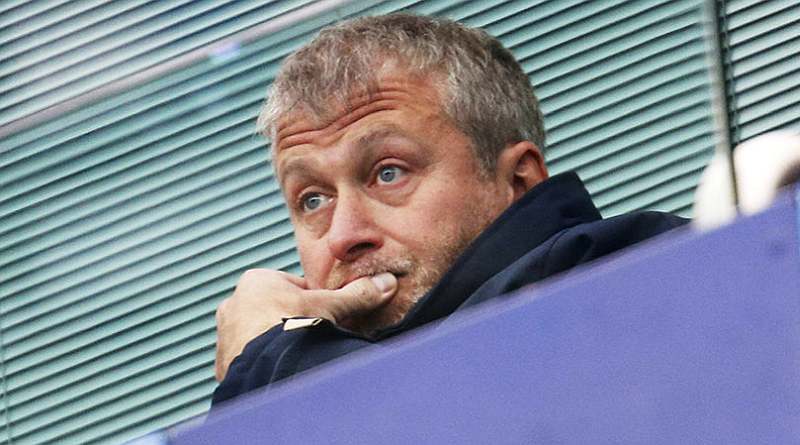
8. EU Court dismissed Abramovich’s lawsuit to lift sanctions.
– On September 9, the European Union Court dismissed Russian billionaire Roman Abramovich’s lawsuit demanding the lifting of EU sanctions against him. The court confirmed the legality of the restrictive measures. The sanctions include asset freezes and a ban on entry and transit through the EU.
– Abramovich challenged the EU Council’s decision on extending restrictions and demanded compensation for the damages he incurred. The billionaire claimed that the sanctions were imposed due to his public notoriety. The court rejected this argument, pointing to his stakes in large Russian companies.
– Abramovich is the majority shareholder of Evraz, one of Russia’s largest metallurgical and mining groups, and also holds shares in “Nornickel” — one of the leading producers of palladium and nickel.
– The court recognized these industries as a significant source of revenue for the Russian government, and the sanctions criteria applied to Abramovich as proportionate.
– This is Abramovich’s third unsuccessful attempt to challenge the sanctions in the EU court. His previous lawsuits were dismissed on December 20, 2023, and September 10, 2025.
