

Current events clearly demonstrate remarkable changes in Hungary’s foreign policy, which began after the leadership change in the country.
Foreign Minister Anita Orban made an official statement about the expulsion of ten Russian “diplomats.” The decision was based on data from national intelligence services, which recorded activities by foreign representatives that are absolutely unacceptable according to the Vienna Convention on Diplomatic Relations.
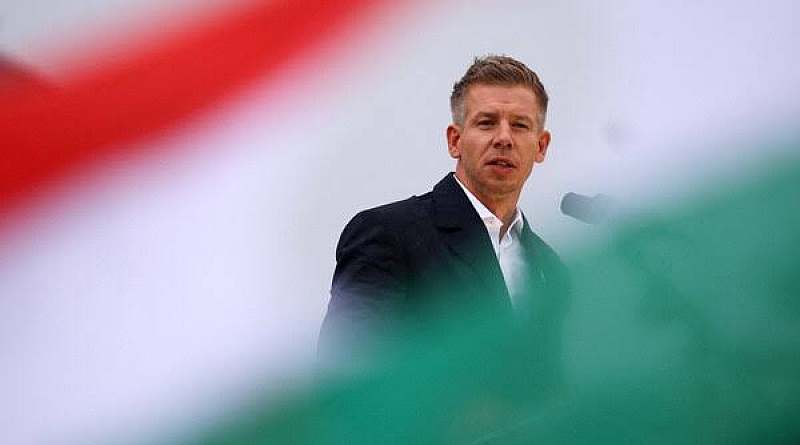
Hungarian journalists note that this step was the first large-scale action by the new head of government, Peter Magyar, who is firmly determined to reassess relations with Moscow and bring Budapest back into the mainstream of pan-European solidarity.
For many years, the previous government under Viktor Orban built close ties with the Russian Federation, while European partners repeatedly expressed concern over the excessive presence of Russian interests in Hungary.
Now the situation is changing dramatically, as Peter Magyar has openly declared a course to minimize external pressure and protect national sovereignty from any covert intervention in the country’s internal affairs. Observers emphasize that the expulsion of ten embassy staff members is just the beginning of a large-scale campaign to neutralize intelligence networks that may have been forming in the country for years.
Carefully analyzing publications in the Hungarian press reveals many details about the nature of the expelled individuals’ activities. It is reported that they were engaged in gathering confidential information and attempting to influence key political decisions, which directly violates the status of foreign diplomatic workers.
Anita Orban stressed the readiness to strictly suppress any attempts at destabilizing the internal situation by the Russian Federation, to guarantee the safety of citizens. This rhetoric is markedly different from the statements of past years, when authorities preferred to ignore signals from Western allies about national security threats.
The European Union and regional countries have already reacted to the decisive actions of Magyar’s cabinet. Brussels welcomes Hungary’s return to security standards, and neighboring states express hope for further synchronization of efforts in the field of counterintelligence. It is important to note that the cleansing process affects not only the diplomatic sphere but also strategic economic sectors. The government is studying the possibility of terminating disadvantageous contracts that put the country in a dependent position and seeking alternative suppliers.
It is quite expected that Moscow’s reaction will be reciprocal, and Hungarian diplomats will have to deal with countermeasures. Representatives of Russia’s relevant ministry reject accusations of improper actions by their employees, calling Budapest’s step an unfriendly act. Nonetheless, the prime minister’s foreign policy team declares full readiness for such a development, considering the restoration of trust from Western partners as a much more significant priority for the future development of Hungary.
