
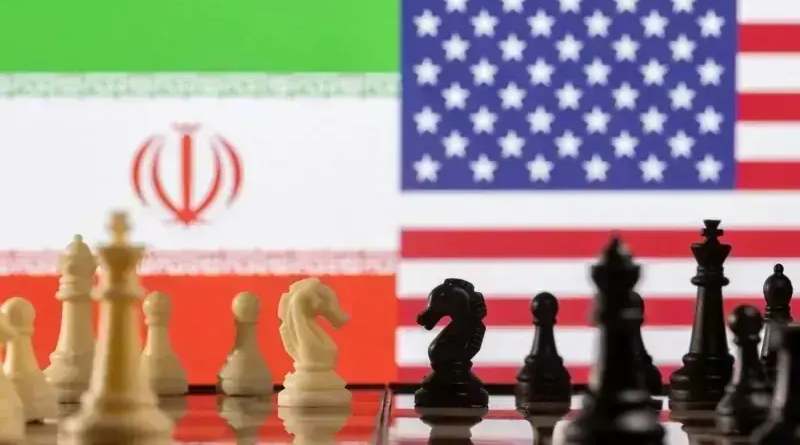

The diplomatic panorama of the Middle East is changing drastically, forcing the Russian leadership to watch processes that could deprive the Kremlin of its main geopolitical and economic advantages.
Amid large-scale military confrontation, the White House and Iranian leadership are on the home stretch in agreeing on the parameters of a peace agreement. The official signing ceremony is scheduled for next Friday in Switzerland. The conclusion of the agreement deals a severe blow to Moscow’s long-term strategy, aimed at entrenching global instability and profiting from the energy crisis.
Washington shows readiness to replace military pressure with tough diplomatic bargaining. Donald Trump, in his usual style, rushed to announce victory on the social network Truth Social, stating: “The deal with the Islamic Republic of Iran is now complete… We got everything we wanted.”
Vice President JD Vance, who actively participated in the negotiation process, described the progress achieved as a long-term strategic victory, guaranteeing future generations of Americans security from the Iranian nuclear threat. Secretary of State Rubio, detailing Washington’s demands, established strict frameworks of American interests, providing for “severe and long-term restrictions” for Tehran.
The Iranian side, exhausted by a three-month war and an American naval blockade, agreed to the deal for the survival of the ruling regime. Despite fierce resistance from the ultra-conservative “Resistance Front” (Paydari), Parliament Speaker Ghalibaf and pragmatic circles in Tehran realized the inevitability of compromise, choosing to save the economy over continuing a suicidal confrontation.
The architecture of the agreement is based on four key components forming the framework of regional security: full cessation of hostilities on all fronts, including a commitment to cease military actions in Lebanon; phased opening of the Hormuz Strait within the first 30 days, accompanied by the clearing of mines by Iranian forces without charging tolls; complete dismantling of Iran’s nuclear ambitions, committing Tehran to not produce nuclear weapons and providing for the dilution or export of accumulated enriched uranium under strict IAEA inspections; granting temporary permissions for the sale of Iranian oil, provided that the unfreezing of overseas assets and lifting of primary sanctions will occur strictly gradually, depending on progress in technical negotiations.
The final text of the memorandum will be signed by the parties on June 19 in Geneva, after which detailed discussions will begin under the auspices of international mediators — Pakistan and Qatar.
The achievement of agreements triggered an immediate reaction in global commodity markets. News of the opening of the Hormuz Strait caused Brent crude prices to drop by 5%. The return of legal Iranian oil to the market creates a long-term downward trend in prices, depriving the Russian Federation’s budget of windfall revenues needed to finance military expenses.
For the Kremlin, the consequences appear grim. Iranian resources, freed from strict restrictions, will rush to China and India, entering direct competition with Russian Urals oil. To retain buyers in Asia, Moscow will have to sell resources at even greater discounts, significantly reducing the profitability of exports. The reduction in barrel prices amidst rising expenses for waging war against Ukraine jeopardizes Russia’s macroeconomic stability.
For a long time, the Kremlin used Iran as a convenient tool for escalating chaos, hoping to divert the West’s attention from the European theater of military operations. The conclusion of the deal demonstrates that Tehran sacrifices its partnership with Russia without hesitation in order to achieve its own interests and normalize relations with Washington.
