

Information on the current losses of the Russian Federation due to sanctions as of 08.04.2026.
1. Ukrainian drones attacked the largest oil depot in Crimea on the night of April 8 — the maritime oil terminal in Feodosia, which is used to supply fuel to Russian troops.
– According to open sources and monitoring channels, the strike occurred around one in the morning. At least two fuel tanks likely caught fire, and the blaze was visible from a distance of over 20 km.
– The facility has a capacity of up to 250,000 tons of fuel and is a key supply hub for the Russian fleet and military formations in southern Ukraine. Videos and photos from the scene capture significant fire and a thick plume of smoke above the terminal’s territory.
– This is not the first attack on the facility: in October 2025, the terminal was already struck and the fire lasted several days.
– Striking such facilities increases the pressure on the logistics of fuel supply for Russian troops, especially under conditions of regular attacks on energy infrastructure in occupied territories.
2. One of the key oil refining assets of Lukoil — the Nizhny Novgorodnefteorgsintez refinery (NORSI) stopped processing oil after a drone attack on April 5.
– The enterprise halted the reception and processing of crude oil. As of April 6, the plant also ceased to offer gasoline, diesel fuel, and fuel oil on the St. Petersburg International Commodity and Raw Materials Exchange.
– Shipments of gasoline and diesel under exchange contracts are not planned at least until the end of April, and road transport from the plant’s oil depot is completely stopped.
– NORSI is Lukoil’s largest refinery and ranks fourth in processing volumes in Russia. The enterprise’s capacity amounts to about 17 million tons of oil per year. In 2025, the plant produced over 5 million tons of gasoline and approximately the same amount of diesel fuel, a significant portion of which was supplied to Moscow and the central regions of the country.
– NORSI became the third Russian oil refining enterprise to cease operations due to the spring wave of drone attacks. Earlier, on March 21, the Saratov refinery, part of Rosneft, stopped receiving oil, and on March 26, the Kirishinefteorgsintez refinery (KINEF) in the Leningrad region — the second-largest in oil processing in Russia and the largest in the European part of the country — suspended operations.
3. The largest Russian oil terminal on the Black Sea, “Shesharis” in the port of Novorossiysk, halted oil exports after an attack by Ukrainian drones.
– Shipment was suspended after drone strikes on the night of April 6. The attack caused large-scale fires at the port and the terminal itself, recorded by NASA’s satellite fire monitoring system.
– “Sheskharis” is the largest oil terminal in southern Russia and a key point for maritime oil exports through the Black Sea. It usually ships up to 1 million barrels of oil per day. The terminal’s shutdown limits Russia’s ability to benefit from the rising oil prices amid escalating conflict in the Persian Gulf region.
– In the port of Novorossiysk, the damage assessment is not yet complete. Meanwhile, stock accumulation and storage overflow might force Russia to cut oil production, as operations at several key export ports have been disrupted.
– The “Sheskharis” terminal is part of Transneft’s structure, serving as the endpoint of the company’s southern pipelines and accounting for about 20% of Russia’s maritime oil exports.
– Disruptions at several key export hubs in the Baltic and Black Sea regions create additional pressure on the Russian oil sector and complicate the stability of supplies to external markets.
4. On the Russian fuel market, risks of gasoline shortages are increasing ahead of the seasonal surge in demand.
– The fuel supply system operates with minimal resilience, so any new disruptions at refineries can quickly lead to shortages in the domestic market.
– One of the pressure factors was the shutdown of the NORSI refinery after the drone attacks. The government is already trying to mitigate the risks of shortages by expanding the ban on gasoline exports from April 1. However, this effect is effectively offset by reduced production due to damage to processing capacities.
– Additional risks are posed by port infrastructure disruptions, which can hinder logistics, affect processing, and further reduce the supply of petroleum products.
– As a result, the Russian fuel market enters a period of high demand with limited supply, increasing the risk of local gasoline shortages and heightened government intervention.
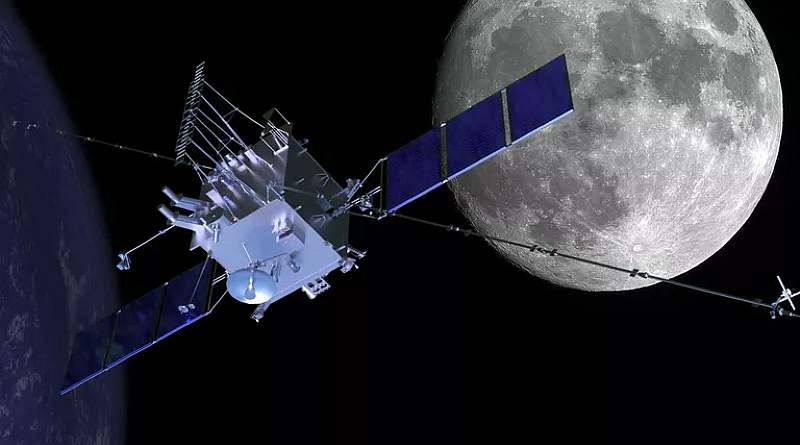
5. The Russian lunar program has been postponed once again.
– The launch of the “Luna-26” automatic station has been postponed from 2027 to 2028. Along with this, the schedule for other missions has been shifted. The launches of the “Luna-27/1” and “Luna-27/2” spacecraft are now planned for 2029 and 2030, respectively. As a result, the timeline for Russia’s lunar program has been delayed by many years compared to the initial plans.
– The only attempt to implement the new lunar program ended in failure. In 2023, the “Luna-25” automatic station, prepared for over a decade and meant to be Russia’s first mission to the Moon in half a century, crashed on the Moon’s surface during a landing attempt.
– Delays in Russian missions are occurring amid the active advancement of lunar programs by other space nations.
– The USA is implementing the “Artemis” program, which involves returning astronauts to the Moon and creating lunar infrastructure. China is simultaneously developing its own lunar exploration program.
6. Economic slowdown, expensive loans, tax increases, and consumers shifting to saving mode have brought thousands of clothing stores in Russia to the brink of survival.
– During 2026, up to 40% of clothing retail outlets in the country may close. The sector is simultaneously under pressure from falling demand, rising rental costs, tax burdens, and increased competition from marketplaces. Last year, retailers realized the onset of the crisis but underestimated its scale.
– Now the situation has significantly worsened: reduced consumption leads to a rapid increase in the number of unprofitable stores, and resources to support them are running out.
– Crisis trends are already forcing large networks to reduce their presence. One of the largest Russian clothing and footwear retailers, O’STIN, closed 62 stores last year and reduced its staff by about 15%. The Gloria Jeans network plans to close about 150 stores in 2026. The Finn Flare brand decided to keep retail locations only in Moscow and St. Petersburg. The Concept Group, which manages brands such as Concept Club, Acoola, and Infinity Lingerie, has already eliminated about half of its stores.
– Foreign players are also gradually leaving the Russian market. Turkish brands Les Benjamins and Karaca Home, as well as the Kazakh brand Gaissina, have completely ceased their activities. According to industry associations, the floor space of clothing stores in Russian shopping centers decreased by about 15% over the past year.
– Russian fashion retail is shifting from a growth model to a survival model amidst a decline in the population’s purchasing power.
7. Russian regions sharply increased their debt burden in 2025, tripling bank borrowings.
– The share of bank loans in the structure of regional debt rose to 19.4% compared to 7.2% the previous year. In absolute terms, the debt reached about $7.5 billion, whereas it was previously around $2.5–3 billion.
– Meanwhile, the share of budget loans decreased. The reason was the deterioration of the financial condition of the regions: budget deficits and a lack of preferential financing forced them to turn to banks.
– Loans were attracted at rates of up to 29% per annum, indicating a sharp increase in the cost of debt servicing.
– Regions also avoided issuing bonds due to the high key rate, further narrowing options for cheaper financing.
– As a result, the debt model is increasingly shifting towards expensive short-term loans, raising risks for regional budgets.
8. The announcement of a temporary ceasefire between Washington and Tehran sparked a sharp reaction in financial markets.
– For Russia, the consequences turned out to be mostly negative. Oil prices, which for years were the main source of foreign exchange income for the Russian budget, sharply corrected: after reports of a pause in the conflict, Brent fell by about 13–16% — a significant drop amidst high geopolitical risk, and WTI also showed significant price fluctuations and even traded above Brent due to changes in demand for American oil.
– Such dynamics — atypical for global markets where Brent is usually more expensive than WTI — indicate a significant restructuring of global energy flows, moving away from Russian influence. The drop in oil prices directly affects the Russian economy.
– The revenue side of the budget is heavily dependent on energy exports, and falling prices weaken fiscal revenues and reduce foreign exchange reserves.
– Combined with already significant disruptions in export infrastructure and damage to oil refining capacities due to Ukrainian attacks, this creates a real threat of deeper economic instability in Russia than just short-term market fluctuations.
– The Russian stock market reacted to these changes with a decline, while American indices rose again against the backdrop of reduced geopolitical risks. This indicates a decrease in the attractiveness of Russian assets in the face of external shocks and weak support from the internal economic foundation.
– While some global stock indices rose, Russian securities continued to remain under pressure, reinforcing the trend of capital outflow from the country and exacerbating the risks of recession and fiscal problems in the future.
– It seems that the announced truce does not stabilize the global energy market, but instead leads to instability and uncertainty, which particularly hit the Russian economy hard, heavily dependent on high oil prices and stable oil flows to external markets.
9. India sharply increases oil imports from Venezuela, bringing volumes to the highest level in the past six years, creating additional risks for Russia’s position in a key market.
– In April, more than 12 million barrels of Venezuelan oil are expected to arrive on India’s west coast — the highest level since February 2020. Venezuelan crude provides a higher yield of diesel and aviation fuel, making it particularly attractive in conditions of energy instability.
– This allows India to substitute part of the supplies from the Middle East while increasing competition for Russian oil, which previously actively increased its share in the Indian market.
– Formally, the contracts were concluded before the escalation began, but the very fact of Venezuela’s massive return means that India is systematically diversifying imports and reducing dependency on individual suppliers, including Russia.
– As a result, Russia risks losing part of the premium contracts in one of the largest sales markets, especially under conditions where it is forced to compete for buyers by offering discounts or worse supply terms due to sanctions and logistical problems.
