
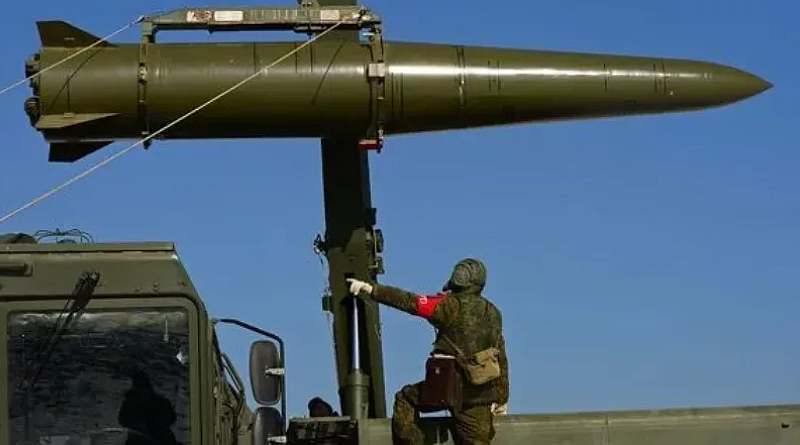
On the night of June 14-15, the enemy launched another series of large-scale missile and air strikes on Ukraine. The main efforts of the enemy were concentrated on Kyiv, Dnipro, and Kharkiv. This is the second largest attack in a year, using 70 or more missiles.
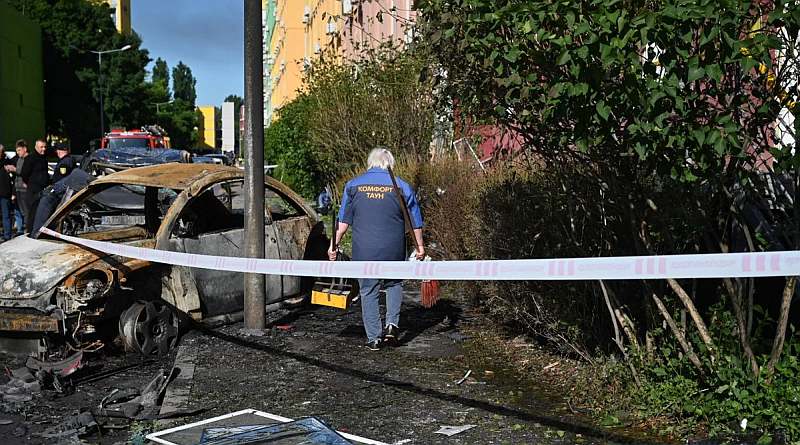
The aim of the strike remains unchanged — to break the will of the Ukrainian population to fight, to hide their weakness, especially the inability to protect the territory of the Russian Federation, especially the capital, from Defense Forces strikes.
The Air Force Headquarters reported the use of 70 missiles in the attack (6 hypersonic “Zircons”, 34 ballistic “Iskanders”/anti-aircraft missiles S-400, 30 cruise “Iskanders”/Kh-101) and 611 strike UAVs (“Shahed”, “Herbera”, “Italmas”). There were also decoy UAVs “Parody” and rocket drones “Parcel”.
Air defense forces intercepted 5 “Zircons”, 15 “Iskanders”/S-400, 30 “Iskanders”/Kh-101, and 582 UAVs. Unfortunately, 20 ballistic missiles and 27 UAVs hit 42 targets, debris fell in 12 locations, at least 53 people were injured, 11 were killed. Strikes were made on residential, energy, and educational infrastructure. In Kyiv alone, 140,000 people were left without electricity.
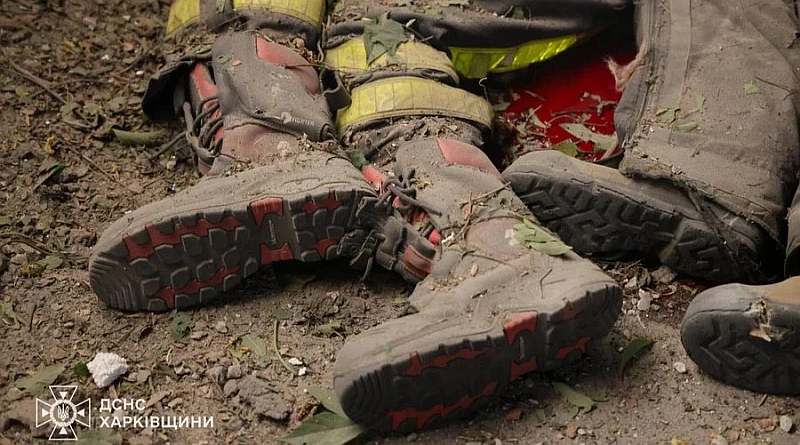
In Kharkiv, the enemy employed their infamous ruthless tactic, striking the emergency rescue services that had arrived at the site of the initial hit. Five rescuers died.
Targets in Chernihiv, Cherkasy, Sumy, Zaporizhzhia, Donetsk, and Mykolaiv regions were also hit.
The enemy is advancing their tactics. According to the assessment of the Air Force headquarters, communicated by Air Force press officer Colonel Yurii Ihnat, the strike from June 14 to 15 differs from other recent ones in that the aggressor did not use “Kalibr” cruise missiles, replacing them with “Iskander-K” cruise missiles. Striking UAVs and missiles attacked from different directions so that both direct hits and debris caused destruction. UAVs operated at lower altitudes than usual. The strike involved high-speed jet UAVs, which are difficult to intercept.
To the credit of the air defense, all the cruise missiles were intercepted this time, thanks in part to the skill of Ukrainian F-16 fighter pilots.
Another feature of the strike was the choice of targets in Kyiv, Dnipro, and Kharkiv: Kyiv-Pechersk Lavra, Dovzhenko Film Studio, the House of Organ and Chamber Music in Dnipro, and Kharkiv Art Museum. UNESCO condemned the strike on the Lavra.
The Russian Foreign Ministry spokeswoman inserted into the media “confirmed reports” of an alleged “Ukrainian Patriot interceptor missile” that hit the Kyiv-Pechersk Lavra. The debris, however, is from the “Geran-2” UAV, but that is a minor detail for Moscow.
Overall, having struck the Lavra, the Russians immediately launched a large-scale disinformation campaign, trying to justify mass strikes on cultural sites. They claimed, “the Ukrainians themselves fired at the Lavra to provoke a retaliatory missile strike by the Russians.” Another wild claim to try to deflect accusations of violating international humanitarian law concerning the protection of religious buildings and cultural heritage sites. The Russians have also already claimed that the Defense Forces set up a UAV workshop in the Lavra.
Let us focus on the prospects of missile terror from the erratic neighbors.
The adversary’s military-industrial complex is increasing the pace of production and modernization of its ballistic missiles and UAVs. Existing information indicates that the monthly production of missiles already exceeds the monthly production of Patriot PAC-3 interceptor missiles in the USA.
The chief scientific officer of the Ukrainian State Research Institute of Arms Testing and Certification, Colonel Oleksandr Zaruba, reported that the aggressor’s industry produces 40 to 50 X-101 cruise missiles, 60 to 70 Iskander-M ballistic missiles, and about 10 Iskander-K cruise missiles monthly.
Meanwhile, the US defense industry produces about 600 Patriot PAC-3 interceptor missiles a year, which is about 50 missiles per month.
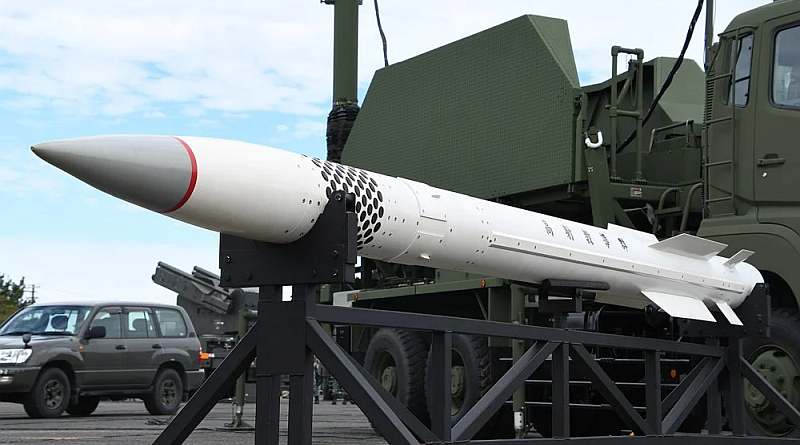
The adversary’s engineers are actively integrating technical solutions used in the North Korean ballistic missile KN-23 into the Iskander-M ballistic missile to increase production. On one hand, the nuclear “superpower” has come to borrow technologies from North Korea, and on the other hand, this doesn’t make things easier for us. The Iskander-M ballistic missiles have gained the ability to deploy decoys to overwhelm air defense radar systems.
There is information that the adversary is working on an updated version of the Iskander-M missile called Iskander-1000, with a launch range of up to 1000 km.
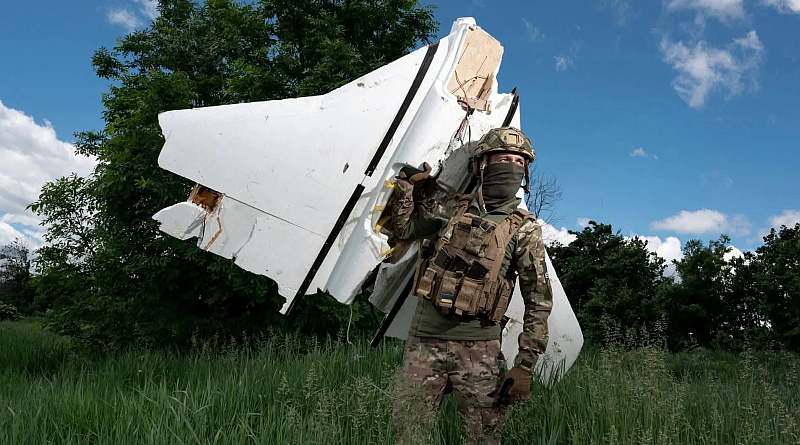
The combat section of the X-101 air-to-surface cruise missile has been doubled. Our Air Defense representatives report observing the X-101 with automatic activation of thermal and radar traps, complicating the radar operation during the strike on June 14–15. It is assumed that the X-101 is equipped with an electronic map and scans the terrain during flight, significantly increasing the accuracy of the strike.
The enemy is improving both the technical component and the tactics of UAV application. They are attempting to launch UAVs from tactical aviation aircraft to increase the strike depth to 1000 km and complicate the work of Ukrainian air defense.
All this activity underscores the critical importance of Western aid to maintain the combat readiness level of the Defense Forces Air Defense. The enemy consistently and systematically uses X-101 missiles, “Iskander-M”, “Iskander-K”, and various types of strike UAVs, including “Shahed”/”Geran”, with technological adaptations to scale up the magnitude of the strikes and the damage from them.
The Patriot surface-to-air missile system, practically the only effective solution against ballistic missiles, remains critical for the Ukrainian air defense system.
Image on the cover: Occupier’s media
