
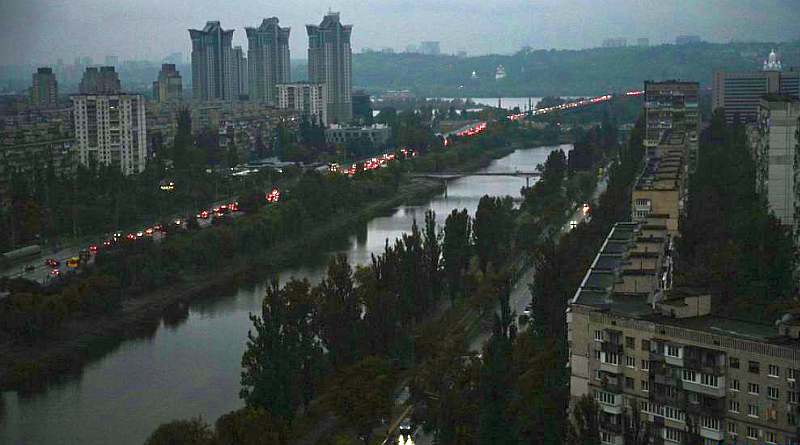
Power outages have returned again. The official explanation is related to the consequences of Russian missile-drone attacks on energy facilities. However, this formula conceals a more complex picture — a simultaneous coincidence of several factors. Here’s what they are.
Nuclear power plants again
Nuclear power plants — the foundation of Ukraine’s energy system — operate around the clock and steadily regardless of weather or season. They provide the so-called base load.
But in spring, scheduled repair of nuclear power plants traditionally begins. Currently, two power units have been shut down, creating an electricity deficit, especially in the evening hours. This volume needs to be compensated somehow: by importing electricity, using hydroelectric plants, solar, and wind stations. And at this moment, other problems have added up.
Regulated to deficit
We are purchasing electricity from abroad. The National Energy and Utilities Regulatory Commission (NEURC), simply the regulator, sets the maximum sale prices of this electricity on the domestic market of Ukraine. This is called a price cap — a purchasing price above which you cannot buy.
If electricity in neighboring countries costs more than this cap, Ukrainian traders simply cannot buy it there and sell it to Ukrainians without a loss — imports stop.
In winter, when electricity shortages became critical due to shelling and frost, the regulator doubled or tripled the purchase price limit. Imports increased almost twofold. In April, the limit was reduced to its previous level. As a result, electricity prices became so low that it is unprofitable to buy it abroad.
Moreover, generating electricity with Ukrainian gas power plants has become unprofitable.
According to the former head of Ukrenergo, Volodymyr Kudrytskyi, this is precisely what caused the new wave of outages, despite the absence of frost and massive hostile attacks.
In other words, a classic textbook situation: price regulation ended in deficit. A familiar scenario for people who remember the USSR. Without these state restrictions, there would be more electricity, and fewer outages.
When the sun doesn’t shine
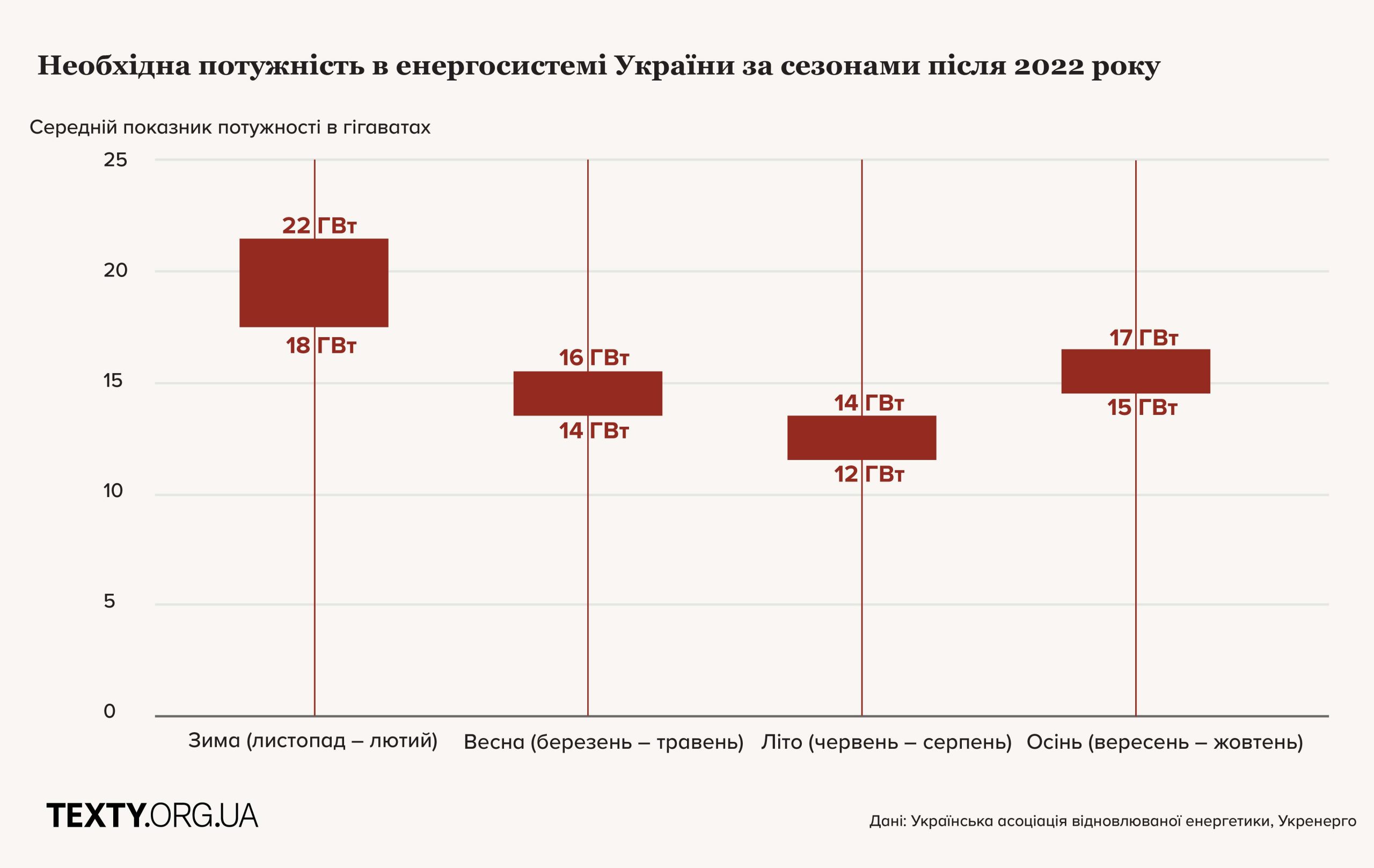
Weather added to the problems. Cold and clouds came to Ukraine. For most people, it’s just an annoyance, but for the energy system, it’s a load. People turn on electric heaters more often since the heating season has ended (government officials do not explain their decision).
Another problem is that bad weather shuts down solar power stations. Their potential capacity in Ukraine exceeds 7 GW — almost equal to our nuclear reactors. But without the sun, panels don’t work. Therefore, their annual utilization rate is only 15% of their potential. The figure for wind farms is 35%, but there are too few of them.
Oddly enough, spring warming also contributed to the electricity deficit. The heating season ended — heat and power stations that produce heat and electricity are partly shut down. And here is the result.
Coincidence, but not accidental
None of these factors by itself is decisive. Nuclear power plant repairs, price caps, clouds — they are typical for April. But it all coincided in time.
Now people are being asked to use electricity sparingly when it’s available. This is sensible advice, and the outages are temporary now. Changes in weather will adjust the situation. But it would be desirable for internal man-made reasons for electricity shortages to decrease, and for the system not to end up in the dark so often.
At the same time, the main responsibility remains with the one who attacks our infrastructure. Russian attacks deprive the energy system of reserves and strength. It has become vulnerable to any fluctuations: production, weather, administrative decisions. And when these fluctuations coincide in time, the only available tool for rescue remains outages.
Cover photo: Blackout in Kyiv. Photo: Ukrinform
