

Information on current RF losses due to sanctions as of 29.03.2026.
1. The Armed Forces of Ukraine continue to systematically target the RF’s critical infrastructure: on the night of March 28, one of the largest refineries and an explosives manufacturing enterprise came under attack.
– According to monitoring sources, several hits were recorded at the Yaroslavl Refinery. Fires broke out on the enterprise’s territory after the strikes.
– Simultaneously, the Promsynthez plant in Chapayevsk, Samara region, one of Russia’s key explosives manufacturers, was attacked. According to OSINT sources, the strike directly hit the production zone where explosive components are synthesized. Reports indicate multiple explosions following the strike.
– Analysis of videos from the scene also suggests that an entire industrial hub, housing several defense enterprises involved in ammunition and chemical production, was targeted.
– These strikes continue the recent trend of deliberate incapacitation of Russian refineries and military-industrial facilities. In light of previous attacks that have already led to the shutdown of several refineries and export issues, new strikes intensify pressure on the RF’s energy and defense sector.
2. Russian “Novatek” is forced to shut down a key gas processing complex in the Baltics following drone strikes.
– The company suspended the processing of stable gas condensate and oil export through the port of Ust-Luga after a fire resulting from the UAV attack on March 25.
– As a result, not only the complex itself but also the transshipment of oil and oil products at the port have been completely halted. The timeframe for resuming operations is currently unknown.
– This concerns a strategic asset: the complex, with a capacity of about 9 million tons per year, processes gas condensate into oil, kerosene, diesel, and other products for subsequent export by sea. In 2025, it processed about 8 million tons of raw material, underscoring its importance for RF’s export revenue.
– The shutdown of such a node amplifies the effect of previous strikes on oil infrastructure, including refineries and ports in the Baltic region. Collectively, this creates systemic pressure on Russia’s energy resource exports—a key source of budget revenue.
3. Russian “Severstal” sharply reduces expenses due to a deepening crisis in metallurgy and declining demand.
– The company is reducing capital investments by 24% from the planned approximately 147 billion rubles, cutting the repair fund and labor costs by about 5%, and postponing wage indexation and freezing hiring.
– The reason is a sharp market downturn: demand for steel in Russia has fallen by 31% since the beginning of 2024, leading to underutilization of key consumers and price pressures. In 2025, steel consumption has already decreased by about 14%, and market recovery is not expected until at least 2027.
– A reduction in investments of this scale means a blow to related industries — construction, engineering, and the service sector, which are losing orders.
– Simultaneously, other producers are also halting some capacities and optimizing personnel.
4. Fico threatened to block the 20th EU sanctions package due to the “Druzhba” situation.
– Slovak Prime Minister Robert Fico stated he might block the adoption of the 20th EU sanctions package against Russia if the European Commission does not influence Ukraine to restore the transit of Russian oil via the “Druzhba” pipeline.
– In his video address, Fico sharply criticized the European Commission and Ukraine President Zelensky. He called the situation around the pipeline a violation of Slovakia’s interests and accused Brussels of “double standards,” saying they prioritize Ukraine’s interests over those of EU member countries.
– The Slovak Prime Minister also stated that Bratislava might reconsider its stance on Ukraine’s EU membership if the European Commission’s approach does not change.
5. Trump’s war with Iran is pushing India to renew its old friendship with Russia.
– India is preparing for a significant turnaround in energy policy — the country is negotiating the resumption of Russian LNG imports for the first time in four years, while also planning to substantially increase oil purchases. The share of Russian oil could soon rise to 40% of total imports.
– Gas negotiations have moved into a practical phase following the agreements at the energy departments level in mid-March. Indian companies have already been signaled to prepare for purchases resumption, and the deal could be agreed upon within a few weeks despite sanctions risks.
– A key factor is the sharp escalation of the situation in the Middle East, which has jeopardized traditional supply routes from the Persian Gulf.
– Under these conditions, India must act pragmatically to avoid fuel shortages and disruptions in the economy. Even the US has relaxed some measures temporarily to prevent an energy crisis in the region.
– Simultaneously, the parties are negotiating an increase in crude oil supplies — volumes may effectively double compared to the beginning of the year. For Russia, this opens up the possibility to secure a foothold in one of the world’s largest and most dynamic markets amid restrictions in other areas.
– Meanwhile, the parties’ positions in negotiations are unequal: due to the global market deficit, new contracts are likely to be less favorable for India.
– The market is moving into a phase where the seller dictates the terms. Ultimately, the situation demonstrates how energy security outweighs political constraints: India is effectively returning to active cooperation with Russia despite sanction pressures, and global risks only accelerate this process.
6. India approved military purchases worth $25 billion for acquiring aircraft and Russian S-400 missile systems.
– Separately, the purchase of five more S-400 systems was approved for approximately $6.1 billion. Currently, India already has three such systems, with two more expected soon. They are intended to intercept long-range aerial threats and cover strategically important sites. Additionally, the modernization of Russian-made fighter jets, the purchase of artillery, tank ammunition, surveillance systems, as well as drones for reconnaissance and strike operations has been approved.
– A contract for approximately $47 million was signed in parallel for the supply of Tunguska anti-aircraft systems. Overall, in the current financial year, India approved military purchases worth 6.73 trillion rupees (about $71 billion), indicating a massive rearmament program.
– Despite the gradual diversification of imports, Russia remains the largest supplier of weapons to India — accounting for over a third of the total volume.
– At the same time, such deals may provoke dissatisfaction from the US, which has previously criticized New Delhi’s cooperation with Moscow. Thus, India effectively balances between different partners but continues to rely on Russian systems in critically important defense segments.
7. In Latvia, a harsh sentence was delivered for aiding the Russian army in circumventing EU sanctions.
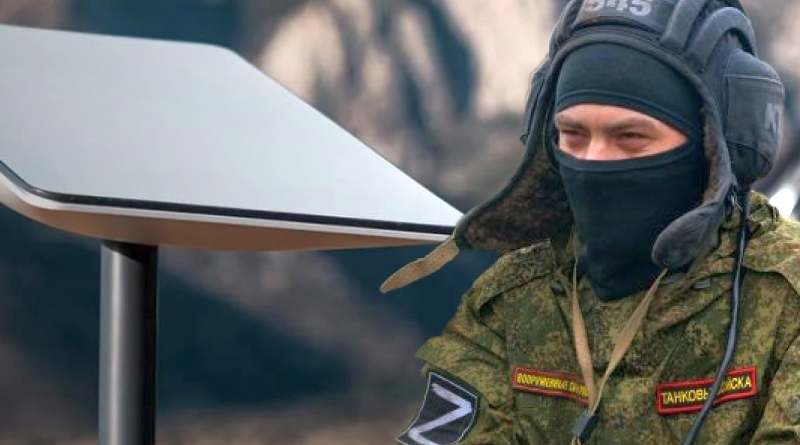
– A court in Riga sentenced a man to 11 years in prison for participating in a scheme supplying Starlink Mini Kit satellite internet systems and other military equipment to Russia. This involved an organized group of four people who purchased equipment in the US and transported it to Russia in violation of sanction restrictions.
– According to the Latvian prosecutor’s office, the total value of the supplied goods was about 200,000 euros. In addition to satellite communication systems, weapons parts, ammunition, and specialized meteorological instruments that could be used for military purposes were exported to Russia.
– The investigation established that the products were sold to individuals associated with the Russian armed forces. The court found the defendant guilty of actions within an organized group to assist a foreign state in undermining the territorial integrity and political independence of another democratic country, as well as violating EU sanctions. Sentences for other scheme participants are expected later.
– This case demonstrates that EU countries are intensifying criminal liability for circumventing sanctions and supplying technologies that can be used in warfare.
