
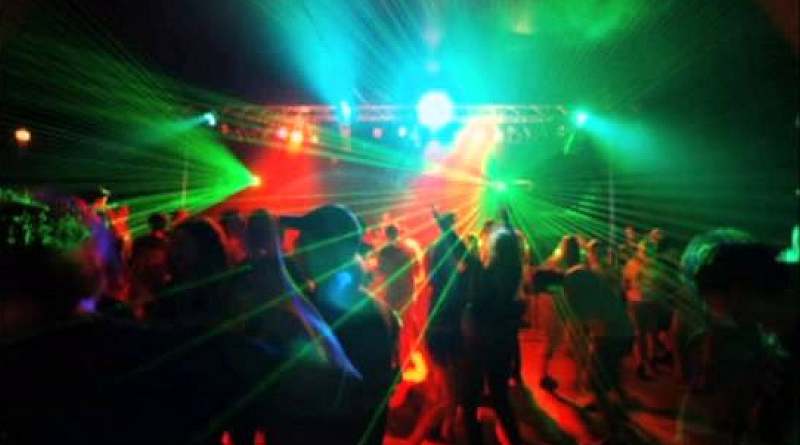
A stroboscope is a special device that generates fast, repetitive, often chaotic, bright light impulses, flashes. Such flashes attract attention to themselves but distract from everything else.
A good analogy for the government’s information policy. In addition to “clip or serial” thinking, where the past no longer exists and it’s inconvenient to think about the future because attention is focused on what’s on the screen. And here, both on the screen and around it, there are flashes, impulses, the stroboscopic effect…
Stopping, thinking, drawing conclusions is difficult. The picture with special effects captivates.
This is true in everything. Unfortunately, even in the informational coverage of the war. Remember “coffee in Yalta”? And the “peace summits”? And the “security agreements,” all 28 of them? Flashes, flashes, flashes… and behind them – nothing. The background. Darkness.
But they switch the light, and the stroboscope starts to produce a new rhythm.
Currently – “relations with the Middle East.” Bright, interesting, ambitious… And what’s next?
And this “what’s next” is the most important.
If you don’t want to fall under the hypnosis of special effects, ask meaningful questions and demand answers.
– What are the results of the negotiations?
– How will the new agreements be implemented?
– What is their specific content?
– How much funding has been attracted?
– What production projects will be developed, whose, and on what terms?
Without answers to these questions, all the government’s informational activity turns into creating “light noise.” The stroboscopic effect. Hypnosis.
And behind it, as we already know from experience, there’s emptiness for the country and “quick money” for those close to the government. At the expense of Ukraine.
“Barriers” and other “Midas” are examples of this.
So turn off the flickering. Report calmly and to the point.
You’ll have to anyway.
