
Trump and Musk’s speeches about maps and Ukraine seemingly not having them, as well as complaints to Europe: “You continue to buy Russian oil, and this fills the Kremlin’s military budget,” seem especially ridiculous right now.
Trump’s particularly blasphemous phrase: “I haven’t lifted any sanctions… Maybe someday it will happen, but we are not doing anything like that now.”
While he officially “hasn’t lifted” sanctions, his former chief adviser and sponsor Elon Musk de facto created a technological loophole in these sanctions with 50,000 Starlink terminals. This makes Trump’s sanctions a “paper tiger”: you can restrict oil sales, but if your people supply the enemy with a “nervous system” for war, your sanctions are just for show.
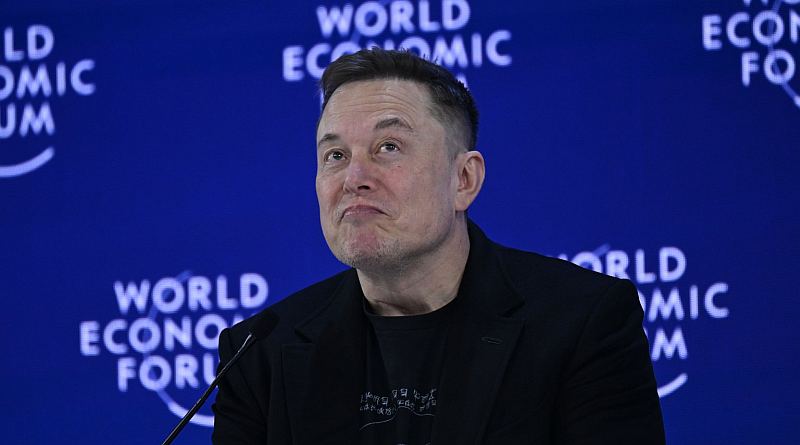
“As far as we know, no Starlink has been sold directly or indirectly to Russia,” says Musk. However, trucks of terminals entered through Bishkek under the laughable guise of tourism. Tourist Mecca Bishkek, indeed. That he “didn’t know” is either a blatant incompetence of his compliance department or a willful ignorance for profit.
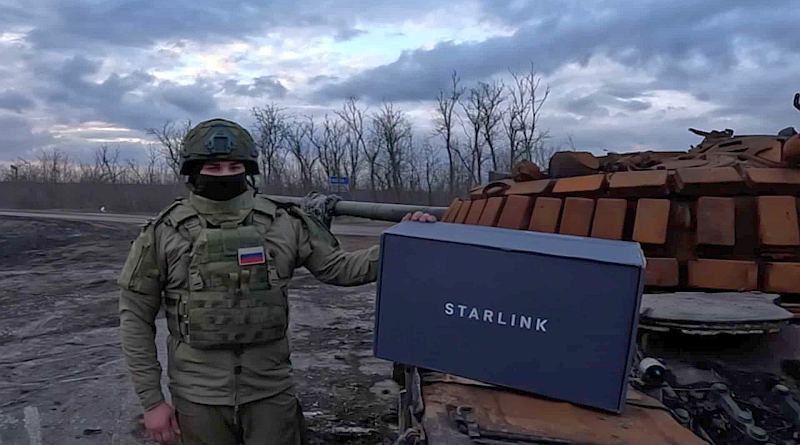
And what happened now, Elon? How did 12,000 Starlink terminals end up at LBZ in the Russian Federation, and another 40,000 across the rest of the territory?
They link all these yamals with Moscow, help extract resources, and bypass bans. How did they provide communication for most units, from battalion level upwards, and Ozon and Wildberries were filled with thousands of ads for sale?
How did they help kill hundreds of Ukrainians — using terminals on “Molniyas” and “Shaheds”?
And cameras were hung on the “dragon’s teeth” to adjust fire, and we couldn’t jam them with electronic warfare?
Did you really believe that Bishkek needed 500 terminals a month for “farmers” or “tourists”? And half a million stations a year for the UAE, which go to Africa and the Middle East, would never end up in the hands of Boko Haram or ISIS terrorists?
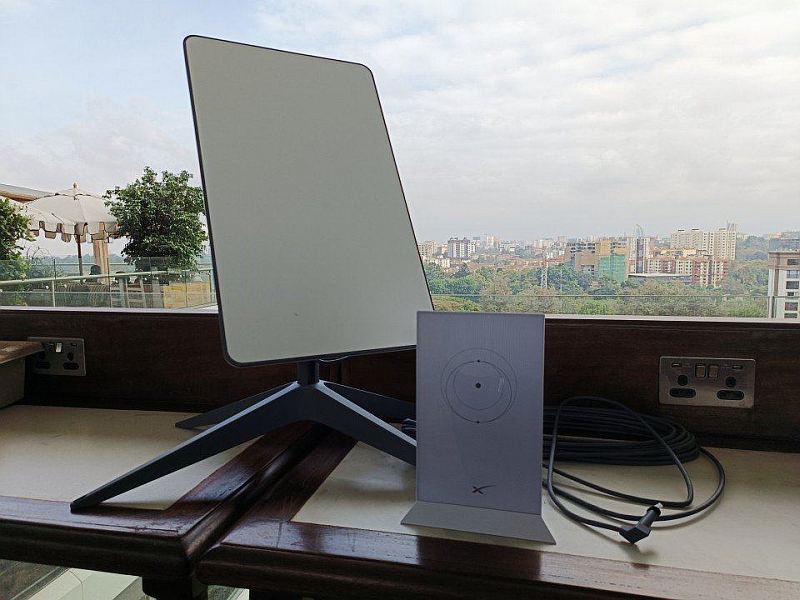
Money doesn’t smell to you. In the deep rear of Russia, for example in Tyumen, they operate through Global Roaming packages. SpaceX sees that a terminal registered to a hypothetical “Hans from Munich” is now in Russia.
However, as long as the policy of internet neutrality in civilian zones is in effect, and the terminal usage is paid for with crypto or foreign cards, Musk is in no hurry to completely cut off this market.
The situation with Starlink in the hands of Russia is a textbook example of how the bureaucratic machine and regulatory bodies lose to a flexible gray market. To put it bluntly, they not only missed it, but they were simply not prepared for a mass-market device to become a key tool of war.
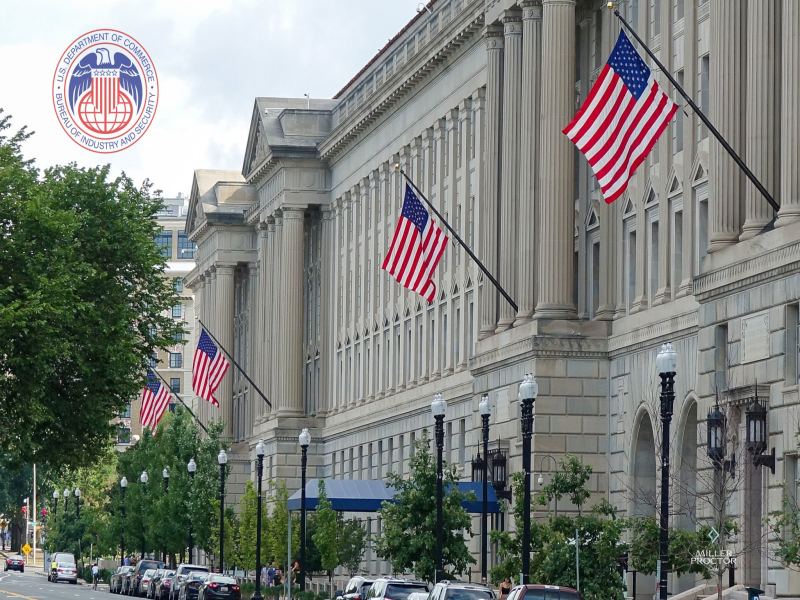
The first on the list of those who erred is BIS — the U.S. Bureau of Industry and Security. This is the main body responsible for export control. Their failure was in being accustomed to catching those shipping rocket engines or centrifuges, whereas Starlink is a consumer product. BIS didn’t have the resources to inspect every Dubai or Almaty store buying a hundred terminals “for farmers.”
As shown in the U.S. Senate report for December 2024, BIS simply lacked the money for enough field inspections in hub countries. The superpower failed in export control because it couldn’t gather enough funds for a business trip to Lake Issyk-Kul — to eat pilaf and check what kind of facilities needed a thousand terminals a month. And you teach us efficiency and washing hands before eating?
Second in line is OFAC — the financial special forces of the US Treasury. They target transactions, but the Russians purchased terminals through small dealers and front persons. Payment was made in crypto or through third-country banks in small installments, and for OFAC this appeared as regular retail, not arms procurement. They likely did not understand how we were using these terminals, that there are already over 280,000 units in Ukraine, and why their number is so rapidly increasing in Russia.
Next come the customs services, whose physical barrier turned out to be paper-thin. The Nordsint investigation in January 2026 exposed a bold scheme: in invoices, Starlink was listed as routers and adapters or even under the code for auto parts. The customs in the UAE and Kyrgyzstan simply turned a blind eye to this transit. No desire to impose tariffs on them? Or is it not Denmark, not French wine, and two dog sleds?
Finally, the compliance department of SpaceX itself. Official dealers in Europe and Asia often did not verify the end consumer, selling batches of 50–100 units to anonymous companies from Kazakhstan or Georgia. And the touted geofencing was not fully activated because they allegedly feared friendly fire on our positions more than the real enemy use of the terminals.
In the end, where there are seven housekeepers, the house is not swept. Now you are implementing whitelists and speed restrictions on terminal movement at OUR request. Because our locations deeper inside are being hit.
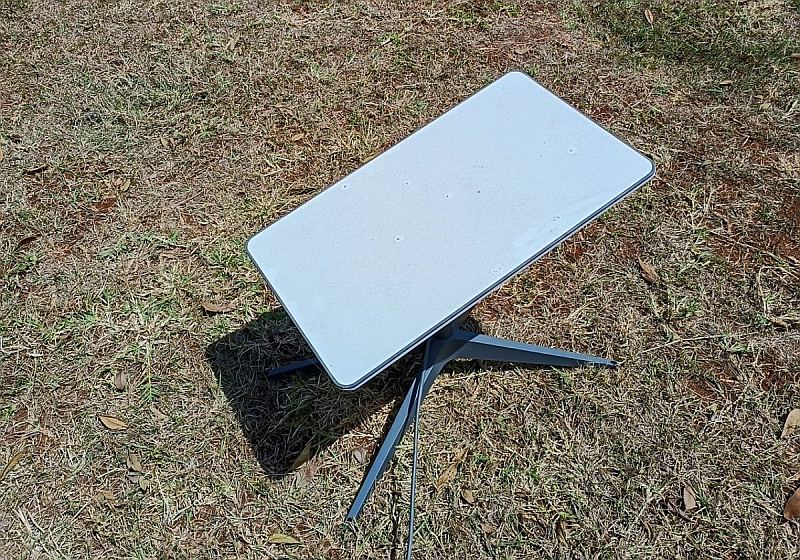
This is direct evidence: if it has become technically possible now, then it was possible in 2024 as well. The absence of whitelists for two years is a deliberate choice by SpaceX and an oversight by US regulatory bodies. This is not “unauthorized use,” it’s a systemic failure of control that has cost us many lives.
Your systemic failure of control is not an error in an Excel sheet. It is hundreds of lost lives of our comrades and relatives, lives that could have continued if the “superpower” had found money for trips to Bishkek earlier than the enemy learned to adjust fire through cameras connected by your technology on the “dragon’s teeth.”
You invented the perfect weapon, but your courage was only enough to sell it to both sides, hiding behind “neutrality” and “human rights.” Today’s whitelists are not your victory. They are your belated, cowardly signature soaked in blood on your own worthlessness.
The cover shows an illustrative photo from open sources
