

Information on current losses of Russia due to sanctions as of 10.11.2026.
1. The Armed Forces of Ukraine attacked the Novgorod region of Russia overnight; a military aviation repair base might have been targeted.
– A series of explosions took place in Russia’s Novgorod region. The probable target of the Ukrainian Defense Forces’ attack could have been the 123rd aviation repair plant in the city of Staraya Russa. Information on hits and damage is being clarified.
– The enterprise specializes in the repair and modernization of Il-76 military transport aircraft, Il-78 tanker aircraft, L-410 aircraft, and aircraft engines. The plant has its own runway and ensures the technical readiness of Russia’s military aviation.
– On March 17, 2026, the Ukrainian Defense Forces had already struck this enterprise, hitting a hangar for servicing Il-76 and L-410 aircraft and a Russian A-50 long-range radar aircraft.
2. Recent Ukrainian attacks have reduced Russia’s oil refining capacity by approximately 30%.
– This exacerbates issues with fuel supply to the domestic market and creates additional obstacles in fulfilling export obligations for diesel fuel. According to industry sources, the resumption of Ukrainian strikes since the end of October has led to disruptions in the operations of nine of Russia’s 35 largest refineries.
– The total nominal capacity of the attacked enterprises is about 300,000 tons of processing per day — approximately 2.2 million barrels. This is about a third of Russia’s total primary oil refining capacity, estimated at 930,000 tons per day.
– At the end of October, Russian refineries were processing about 700,000 tons (5 million barrels) of crude oil per day. It is estimated that the actual reduction in processing could reach 200,000 tons per day, almost 29% of the then volume.
– This means that the damage to the plants is already affecting not only the available production capacity but also the actual processing volume.
– Meanwhile, Russia is trying to continue supplying diesel fuel to external markets despite the escalating domestic shortage.
3. Record oil and gas revenues did not save Russia’s budget from an annual shortfall.
– Russia’s federal budget oil and gas revenues in October increased to 971.2 billion rubles — the highest in one and a half years. This figure more than doubled compared to September. However, this one-time spike did not offset the previous drop in revenues: from January to October, the budget received 6.44 trillion rubles in oil and gas revenues, 14.1% less than the same period last year.
– The October result was largely due to tax payments delayed by about a month, including revenues for September when the average price of Russian Urals oil was about $92 per barrel. Additionally, the quarterly payment of the additional income tax influenced the figure. In October, the average Urals price rose to approximately $101.5 per barrel, but this does not eliminate the budget deficit.
– Meanwhile, a significant portion of oil and gas revenues is returned to oil companies by the state. In October, fuel damper payments reached a record 415 billion rubles — more than 40% of the month’s oil and gas revenues. In total, over ten months, compensations to oil companies amounted to 1.64 trillion rubles, 2.2 times more than a year earlier.
– The damper mechanism compensates oil companies for the difference between export and domestic fuel prices, helping to contain fuel price increases within the country. High payments reflect the increased budget costs for supporting the domestic fuel market.
– Meanwhile, the fuel deficit is once again worsening: following Ukrainian attacks on oil refineries, restrictions on gasoline sales were introduced in several Russian regions. According to the Ministry of Finance, the annual plan for oil and gas revenues is 8.9 trillion rubles, but the ministry expects to receive about 7.6 trillion rubles. Thus, the shortfall may reach approximately 1.3 trillion rubles, which will need to be compensated by non-oil and gas taxes and government borrowing.
– An additional risk was the decrease in the price of Urals at the beginning of November: after exceeding $100 per barrel in October, it fell to $76.85 on November 5. Thus, the short-term improvement in oil revenues does not change the overall picture: Russia’s budget remains dependent on the unstable oil market environment, and significant expenditures on fuel sector support diminish the real effect of high oil prices.
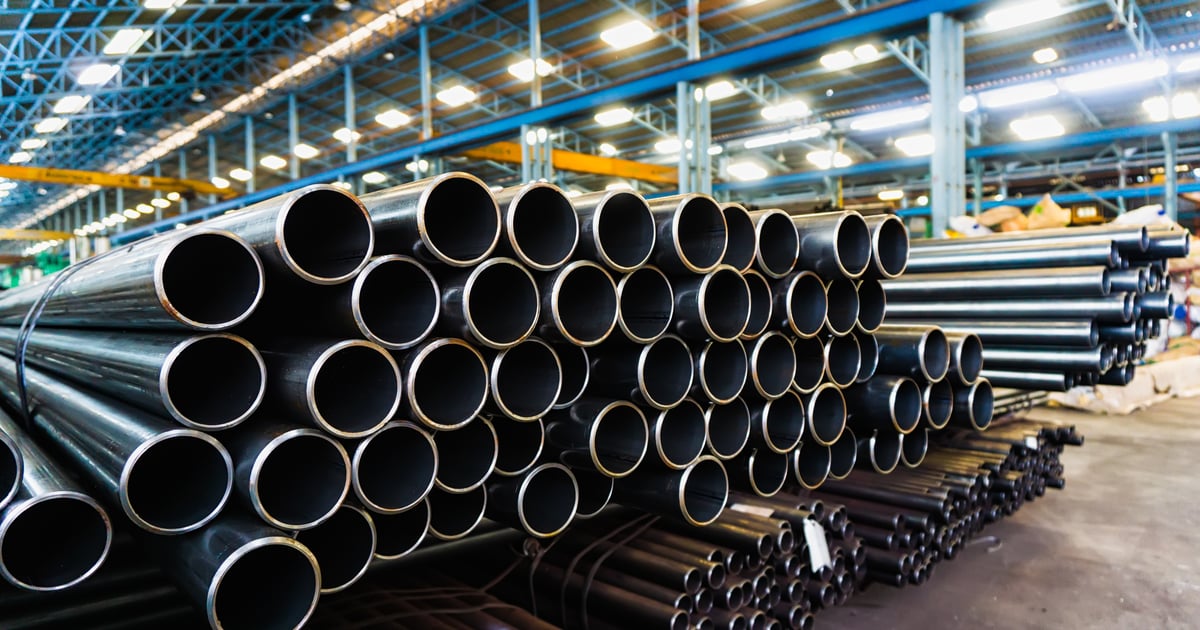
4. Exports of Russian steel products to Turkey plummeted 112 times due to expensive logistics and competition with China.
– In September 2026, Russia reduced its export of hot-rolled steel coil to Turkey by 112 times — down to 1 thousand tons. From January to September, shipments decreased by 28% compared to the same period last year, totaling 510.3 thousand tons.
– As a result, Russia dropped from second to third place among suppliers, yielding to Malaysia, which increased shipments sixfold. One of the main reasons for the loss of competitiveness was expensive logistics.
– Due to restrictions in Black Sea ports, Russian producers have to redirect cargo through the Baltic. Freight costs rose to $78–85 per ton, and the price of Russian rolled products delivered to Turkey is $570–580 per ton. Thus, additional transportation costs offset the price advantage of Russian steel.
– The situation is further complicated by competition with China: due to weak domestic demand, Chinese producers are increasing exports and offering buyers not only lower prices but also more flexible payment terms. Alternative markets in the CIS and Central Asia also do not guarantee sales: local producers are ramping up capacity faster than demand is growing.
– Russia’s domestic market is also unable to compensate for the export loss. In 2025, steel consumption fell by 14% — down to 38 million tons. For the nine months of 2026, it increased only by 1.3%, while exports decreased by 16%, and production — by 4%.
– Russian metallurgy is under dual pressure: domestic demand remains weak, and external markets are increasingly difficult to retain due to higher logistics costs and competition. Under such conditions, companies risk reducing investment programs and modernization, which will weaken their competitiveness in the coming years.
5. Russian “Alrosa” halted production at part of its diamond deposits due to losses and declining revenues.
– Russian diamond mining company “Alrosa” suspended production at some of its deposits, including the enterprises of its subsidiary “Almazy Anabara”. The company is trying to cut costs amid deteriorating financial results. “Almazy Anabara” provides about 11% of “Alrosa’s” diamond output and is the largest open-pit diamond mining enterprise in the world.
– The company’s financial indicators demonstrate a deepening crisis in the Russian diamond industry. For the nine months of 2026, “Alrosa’s” net loss according to Russian Accounting Standards (RAS) amounted to 23.56 billion rubles against a profit of 35.75 billion rubles in the same period last year. Revenue decreased by 24% — down to 118.33 billion rubles.
– By the end of the first half-year, the company’s loss according to International Financial Reporting Standards (IFRS) reached 9.5 billion rubles. Revenue fell by 33%, EBITDA — by 61%, down to 14.3 billion rubles. Free cash flow turned negative: the cash shortage was 16.9 billion rubles for the half-year and 33.2 billion rubles over the past 12 months.
– The suspension of deposits indicates that even Russia’s largest diamond mining company is forced to reduce production activity to curb losses. Declining revenues and a lack of cash restrict its ability to maintain production at all deposits.
6. Russia exported a record 165 tons of gold to China in nine months.
– From January to September 2026, Hong Kong received 165 tons of Russian-origin gold bars. This is more than three times the figure for the same period last year and more than 55 times the pre-war level.
– Now Russian gold accounts for about 15% of all bars entering China through Hong Kong. This port has become the main channel for the export of precious metal from Russia after Western countries banned its import in 2022, and the London Bullion Market Association excluded Russian refineries from the list of accredited suppliers. After the tightening of gold trade controls in the UAE, the possibilities of using Dubai as a trading hub have also narrowed.
– At the same time, a significant part of the supplies may be ensured not by extraction but by the sale of state reserves. It is estimated that approximately every third bar of Russian gold sold to China could have come from the reserves of the Central Bank of Russia. This year, the regulator sold about 60 tons of metal, including 18.7 tons in the third quarter and 21.8 tons in the second.
7. Passenger traffic at Moscow airports accelerates decline due to flight restrictions.
– Passenger traffic at the three largest airports of the Moscow aviation hub continues to decrease. In the first nine months of 2026, “Sheremetyevo,” “Vnukovo,” and “Domodedovo” served 53.7 million passengers—4.2% less than in the same period last year, according to Rosaviatsiya data. As of the end of seven months, the decline was 3.5%.
– “Domodedovo” was hit the hardest: the airport’s passenger traffic dropped by 16% to 8.9 million people. Its share in the total traffic of the Moscow aviation hub decreased from 19% to 16.6%. In “Vnukovo,” traffic decreased by 2% to 12.1 million passengers, in “Sheremetyevo”—by 1% to 32.7 million. In the “Aeroflot” group, which provides a significant part of “Sheremetyevo’s” traffic, passenger transportation over the nine months also decreased by 0.6%, with the decline accelerating to 4.2% year-over-year in September.
– One of the factors contributing to the decline has been regular flight restrictions due to the threat of attacks by Ukrainian drones. From January to October, about 3,594 flight restrictions were implemented in Russia. In October alone, there were 545—almost nine times more than in the same month last year. Disruptions lead to delays and cancellations of flights, redirection of aircraft, and additional airline costs for passenger accommodation and services. The Russian Ministry of Transport reported that from January to August, the number of flights delayed by more than two hours increased by 20.3%.
– The situation is also pressured by Western sanctions that limit the supply of aircraft, parts, and maintenance services. Russian aviation faces simultaneous challenges of reduced passenger traffic, regular airport disruptions, and aircraft maintenance issues.
8. Lithuania tightens control over Russian grain: checks in Klaipėda may delay exports for months.
– Lithuania is implementing enhanced inspections of Russian and Belarusian grain transiting through the port of Klaipeda. Starting next week, wheat, barley, sunflower seeds, and corn will not be cleared by customs until laboratory results confirm the origin of the cargo.
– Inspections may last two months or longer. The increased scrutiny is due to suspicions that Russia is exporting grain harvested in temporarily occupied territories of Ukraine, presenting it as its own product. If forgery is detected, the cargo will be returned to the sender or destroyed. Exporters will bear all costs for storage, laboratory analysis, return, or disposal.
– An additional challenge for Russian suppliers is the absence of laboratories in Lithuania capable of conducting the required tests. Therefore, samples will need to be sent abroad, increasing inspection times and logistics costs.
– Lithuania began inspecting Russian and Belarusian grain in September. At the same time, the Baltic countries are pushing for a Europe-wide ban on the transit of such grain through the EU. Estonia has already restricted its transportation through its ports.
– The new rules create additional logistical costs and the risk of prolonged cargo freezing for Russian exporters. This especially complicates the situation for suppliers using Baltic ports as an alternative export route.
9. Canada has expanded sanctions against Russia by adding 24 more individuals and 38 organizations to the list.
– The restrictions target ballistic missile technology developers, participants in Russian cyber activities, and cryptocurrency exchanges that, according to Ottawa, support Russia’s war economy.
– Since 2014, Canada has imposed sanctions against over 3,500 individuals and organizations, as well as more than 700 vessels.
– The new extension of restrictions increases pressure on the technological, cyber, and financial infrastructure that Russia uses to support the war against Ukraine.
