

Winston Churchill’s defeat in the first parliamentary elections in Great Britain after World War II still causes surprise: how could the British not support the man who essentially saved the country, and subsequently most of Europe, from Nazi occupation?
But the answer to this question is simple. Throughout his career, Churchill was an outstanding statesman focused on the future, yet a marginal politician unable to agree with the logic of voters. Ultimately, it was this very marginality that allowed him to become the country’s prime minister after his predecessor, a truly distinguished politician and public favorite, Neville Chamberlain, suffered a fiasco. What if a politician sensitive to electoral expectations – like Chamberlain – had become the head of the British government after his resignation? Perhaps the Conservatives would have won the elections. But it is equally likely that by then Great Britain would have already lost the war.
I recalled this compelling experience when I read the warning of Chief of General Staff Eyal Zamir about the need to strengthen conscription into the Israel Defense Forces. Wars for Israel have changed, threats have increased, and the times of “short wars and long peace” have become a thing of the past. It would seem that those who govern Israel understand this well. But along with this, they realize that their voters will not support them in the next elections if they make decisions unpopular with these voters. They hesitate, while the sands of the hourglass of history are running out. An obvious paradox is created: society understands the challenges, is ready to resist, but a significant part of it does not support unpopular decisions. And politicians, trapped in the cage of re-election – simply because they fear losing power – cannot ignore the opinions of this significant part.
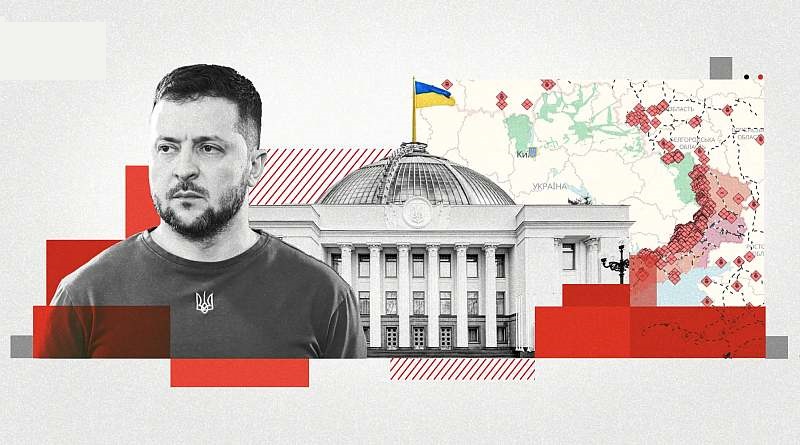
Everything that applies to Israel also applies to Ukraine. The former commander of the Armed Forces of Ukraine, Valeriy Zaluzhny, warned of possible problems that could arise if difficulties with mobilization are not overcome, at the outset of Russia’s large-scale war against Ukraine. Yet electoral logic remains the motive that determines the actions of the authorities. And this is the same paradox: society is ready to resist, but not to the unpopular decisions through which resistance can only be maintained and strengthened. Society reassures itself with the expectation of the inevitable end of the war, and politicians with inevitable elections. And as long as there is neither, the authorities refrain from decisions that could undermine their electoral chances.
From the standpoint of winning elections, this is the only correct approach. But in countries that disappear from political maps, elections do not take place.
Illustration: UA.News
