
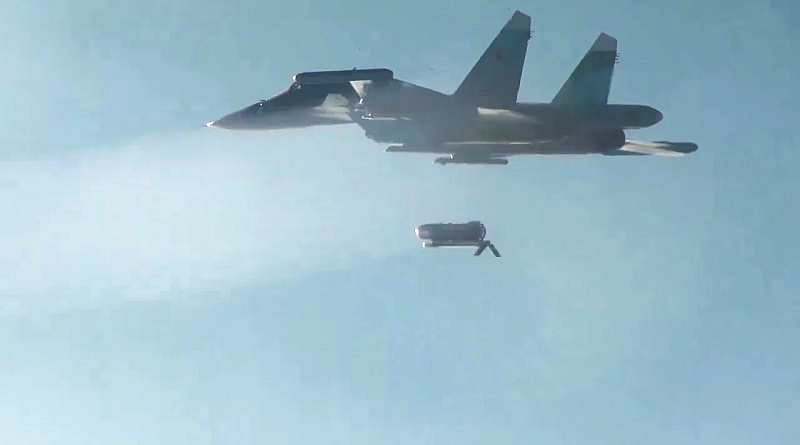
If the enemy, after the disconnection of Starlinks in the occupied territories, tied everything tightly to KABs and fiber optics, then we went in a completely different evolutionary direction.
Yes, experiments with correction modules for 250 kg NATO bombs, stable supplies of French Hammers (50-70 pieces per month), and fresh purchases of over 1,500 JDAM-ER kits from the USA funded by allies are excellent. But let’s face it: our hundred and a half aircraft physically cannot achieve parity in salvo weight with the Russian Aerospace Forces. The Russians drop 100-130 KABs daily (that’s three to four thousand a month), simply overwhelming the front with hundreds of tons of explosives. Western precision hits hard. But their mass erases positions to dust.
The Anatomy of the Russian Offensive: Cast Iron and Fiber Optics
The Russian tactic is clear and, unfortunately, effective. Several KABs precisely hit the exposed positions of our UAV pilots, sever antennas, destroy repeaters, disable ammunition and battery depots, forcing crews to constantly change positions. Cast iron methodically erases all large buildings with basements in the sector (industrial zones, schools, mine ventilation shafts) to deprive our operators of cover.
Under this cannonade, their drone pilots move closer. They use fiber optic FPV drones, indifferent to our electronic warfare, operating through mothership drones and airborne repeaters, pushing our UAS strike companies further into the rear. And then it follows a chain: we have to fly from a greater distance, respond with a delay, and another round of cast iron targets our new positions. Even if it misses due to our electronic warfare against UMPK modules — five bombs will miss, the sixth will hit the building.
Around observation posts, infiltration maneuvers begin: small infantry groups on cross-country motorcycles and ATVs. Our last-mile logistics to the LBS is choked by their FPVs. Then come assaults with hastily armored vehicles tasked solely with reaching the concentration point. The outcome: we either withdraw garrisons to avoid encirclement, or we lose them, and the enemy advances.
This will repeat until their Su-34 airframe resources are exhausted or until we have full squadrons of modernized Mirages and Gripens capable of repelling Russian aviation with long-range Meteor missiles beyond the range of KAB drops. But this is a long-term story. More precise Western bombs are excellent for hitting headquarters, communication hubs, and air defenses, but they won’t solve the systemic problem of enemy cast iron and infantry infiltration.
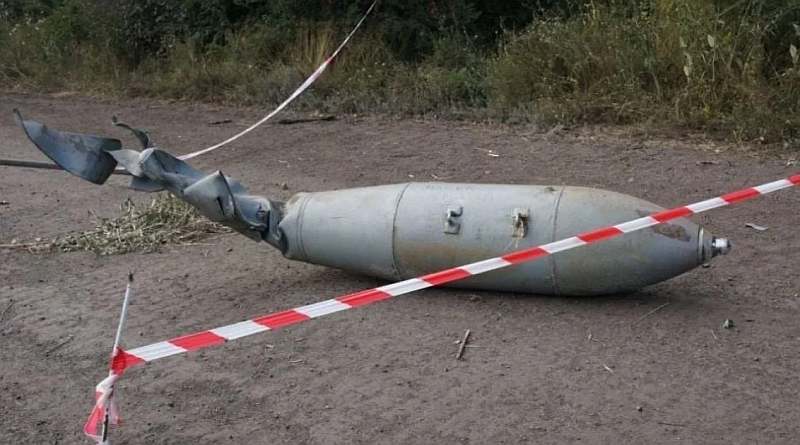
Our Asymmetric Response: Era of Mid-Strikes
What could we counter it with? Mid-strikes. Operational-tactical range strike drone systems.
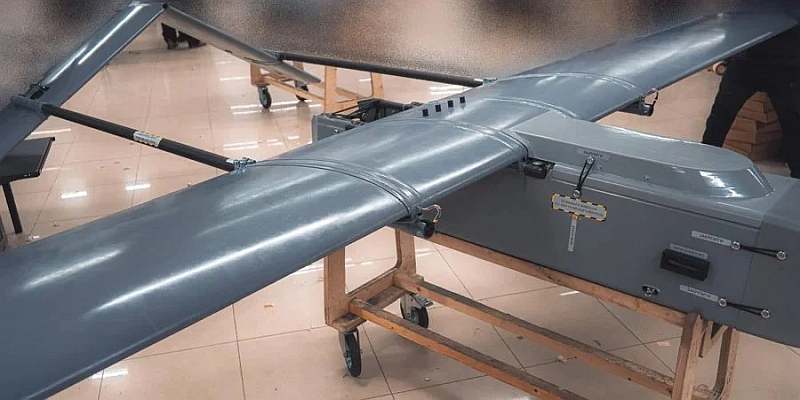
We are talking about warheads from 65 to 105 kg at a depth of 250+ kilometers. This is very serious. Such weight guaranteedly penetrates fortified positions, destroys hard targets, and instantly nullifies any air defense system. Heavy kamikaze drones like FP-2 are capable of taking out FSB headquarters in capital buildings, incinerating pilot schools along with instructors, and reaching ships in ports.
Then there are smaller but widespread systems — the same “Bulava” and “Hornet” that fly further into the operational rear. So what if there’s only five kilograms of warhead? If those five kilograms hit a transformer of a mainline electric locomotive or a tank with aviation fuel, that is more than enough to send equipment for major repairs or create a bright fire show.
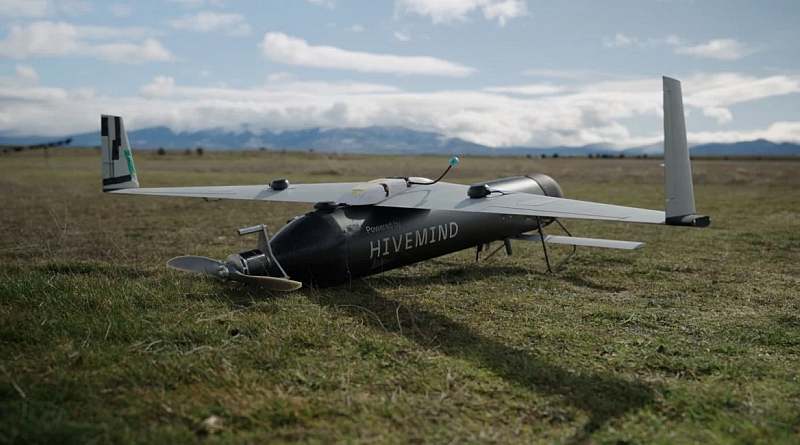
About half a year ago, we started a systematic dismantling of Russian air defenses. We consistently targeted short-range eyes and fangs: “Tors”, “Pantsirs”, target illumination radar stations, and surveillance radars. This led to a cascading collapse of their contiguous radar field and allowed our heavy copters and wings to fly further and more safely. And even more effectively finish off “Strelas”, “Wasps”, and other tactical niches.
Logistic Noose and Air Defense Tightrope
After freeing convenient flight routes, we switched to the main focus — logistics. Oil depots, truck parking lots, junction stations, the “Novorossiya” route and trucks, diesel locomotives, electric locomotives, bulk carriers, and portal cranes in Berdyansk.
What does it achieve? Russian generals can split last-mile deliveries endlessly, sending suicide squads on motorcycles and crippled units with backpacks of canned goods. But there remain divisional and army levels. Assembly points for damaged vehicles, repair bases, ammo depots—all these require thousands of tons of fuel and spare parts daily. If you move depots a hundred kilometers from the front—you burn out truck motor resources.
Meanwhile, KamAZ is laying off workers and switching to a four-day work week—import substitution under sanctions somehow did not work. If you can’t supply the front lines, you can’t conduct large-scale combined operations. If you can’t supply large checkpoints and strongpoints—you leave smaller ones, which we can then easily dislodge with counterattacks, as was in Stepnohirsk. This is a snowball effect that is very difficult for the Russians to counter with their KABs, as our middle strikes launch from depths where their iron bombs simply cannot reach.
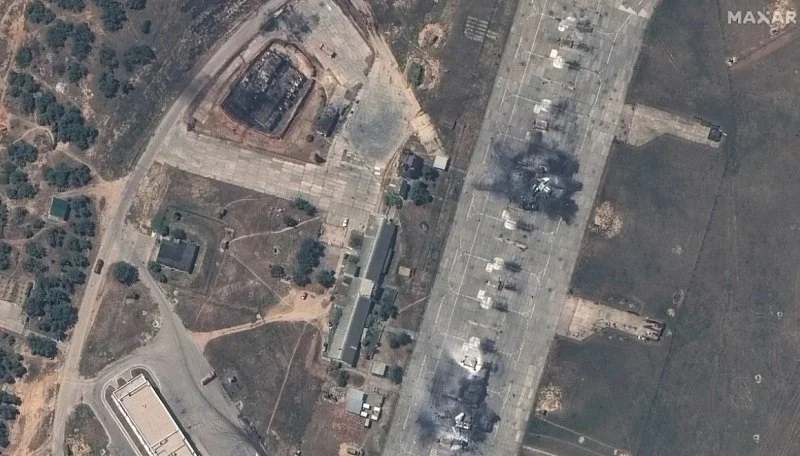
As a result, Russian air defense finds itself in an epic split. Crimea is constantly ablaze: whether it’s the oil depot in Feodosia, the Kacha airfield, the seaplane parking, or another “Su” at Belbek. Donbas is also under attack: in Donetsk, they hammer the floor with FSB agents in broad daylight and hit warehouses at Tochmash with missiles.
The deep rear requires protection, as it’s impossible to remove SAMs from the operational rear and transfer them to the front when the Russian budget’s cash cows (refineries) and tech parks near Moscow burn like matches. But leaving the front exposed is also not an option, as our heavy night “Vampires,” FPVs on relay mother ships, and strike wings will quickly exploit it, and western artillery will be directed very painfully. Moreover, there are consistent strikes on strategic airfields with fifth-generation aircraft, no less, in Astrakhan Region. Now they not only need to pull back sorties but constantly shuffle them, burning engine resources flying between alternate runways.
Koshchei’s Needle
It seems we’ve found a pressure point. That’s why midstrike production is now being ramped up in full collaboration with Norway, Germany, and France. This is what works here and now.
We have a time buffer before the Russians transition to modernized small anti-air guns (SAG) with radar sights and interceptor drones. To start deploying this, they need to find additional billions in the budget and at least half a year, if not eight months.
If we receive even more mid-strikes, the targets are clear. We will crush the engines of heat trains, transformers, and trucks with ammunition and fuel with small combat units. We will burn out energy, fuel terminals, and control nodes with larger ones.
Let them bleed out on logistics. There will be more destroyed headquarters, like the recent fresh strike on the FSB base on the Arabat Spit. There will be more scattered UAV operator schools (like in Tyotkino or at the Sudoplatov battalion bases) and artillery schools, where they are currently trying to implement artificial intelligence. More burned locations in vocational schools, like in Starobilsk. The task is to fix them in the agglomeration near the belt of fortresses.
The first sign of our successes is already here: in Crimea, limits have been reintroduced — 20 liters of fuel per person. Let’s just fix this systematic flaw of the empire: Russia is losing $15 to $20 billion in foreign exchange earnings due to the ban on fuel exports, but the logistics are so shredded that they physically cannot deliver this “surplus” to their own bottlenecks. And this is the unsinkable aircraft carrier from which they intended to threaten NATO.
On the cover: Dropping UMPK FAB-3000 from Su-34. Photo: defence-ua.com
