
For two consecutive days, Ukraine’s energy sector has been under a powerful Russian attack. Kyiv and the region have plunged into extremely strict schedules: in some places, there is light for only a few hours a day. In most regions, there are planned power outages.
There are also losses in power generation: three thermal power stations have stopped. Nuclear power was supposed to strengthen the energy balance, as the planned maintenance campaign there has been completed. All the nuclear power plant units are operational in the power grid. However, there is also a problem here — the Russians are once again trying to shut down Ukraine’s nuclear power plants.
Massive blow to energy
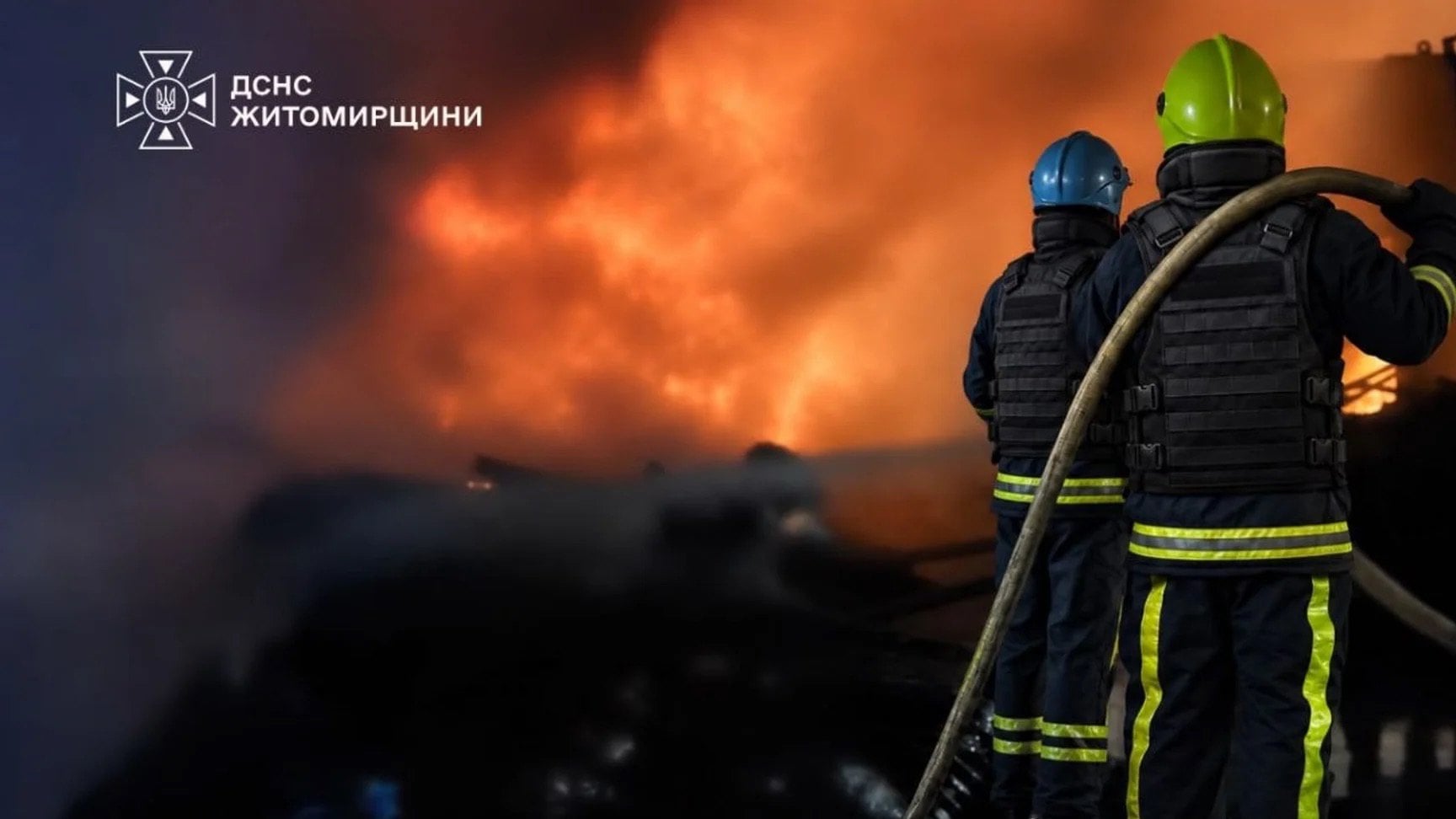
November began with a new wave of Russian strikes on Ukraine’s energy sector. For two days, Russians continuously attacked generation and transmission facilities. The Kremlin is using missiles and drones of various types.
According to Ukrenergo, this attack has been on a massive scale. Just on Tuesday, November 3, there were over two dozen strikes that caused significant damage to the facilities.
The consequences for the Kyiv energy hub were serious. The capital experienced water supply interruptions, and the city’s system is still not ready for serious outages.
In Kyiv, part of the electric transport was also stopped. All this was very reminiscent of last January when Russians also massively attacked the energy sector. However, now the situation looks more serious. The heating season has not yet fully begun, there are no frosts, and the capital is already facing extremely difficult challenges.
“I have questions for the Kyiv authorities. In the fifth year of the war, where is the backup generation for critical infrastructure, which was talked about so much? When energy supply from the general grid is lost, backup generation should support energy provision for critical needs. Where is it? According to the law on local self-government, this is the direct responsibility of the Kyiv City State Administration,” says Volodymyr Omelchenko, director of energy programs at the Razumkov Center.
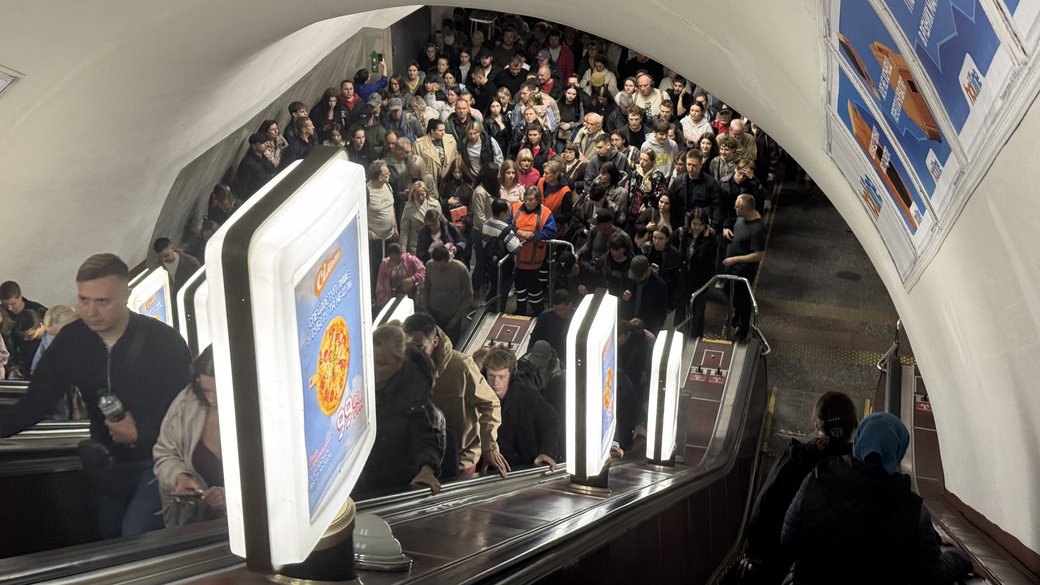
Water supply in the capital resumed its regular mode only after a day.
Kyiv and the region have plunged into even stricter schedules. In some places, electricity is available for only three to four hours a day. And in the evening, there are emergency outages, the duration of which cannot be predicted.
“Colleagues tried to return to the schedules. The system couldn’t handle it, emergency measures again,” — wrote on social media the head of the company YASNO, Serhiy Kovalenko.
Since the beginning of the week, special power outage schedules have had to be applied in Poltava and Sumy regions. They were implemented by order of Ukrenergo to stabilize the situation in the local segment of the power system. Oblenergo turned off lines and substations with a capacity of 35–110 kV. It is impossible to warn about the duration of this type of outage.
Later, these two regions returned to the planned schedules.
Alongside the outages, another problem emerges — in some regions, there are voltage fluctuations in the network. The cause is an emergency situation in the power system due to Russian attacks.
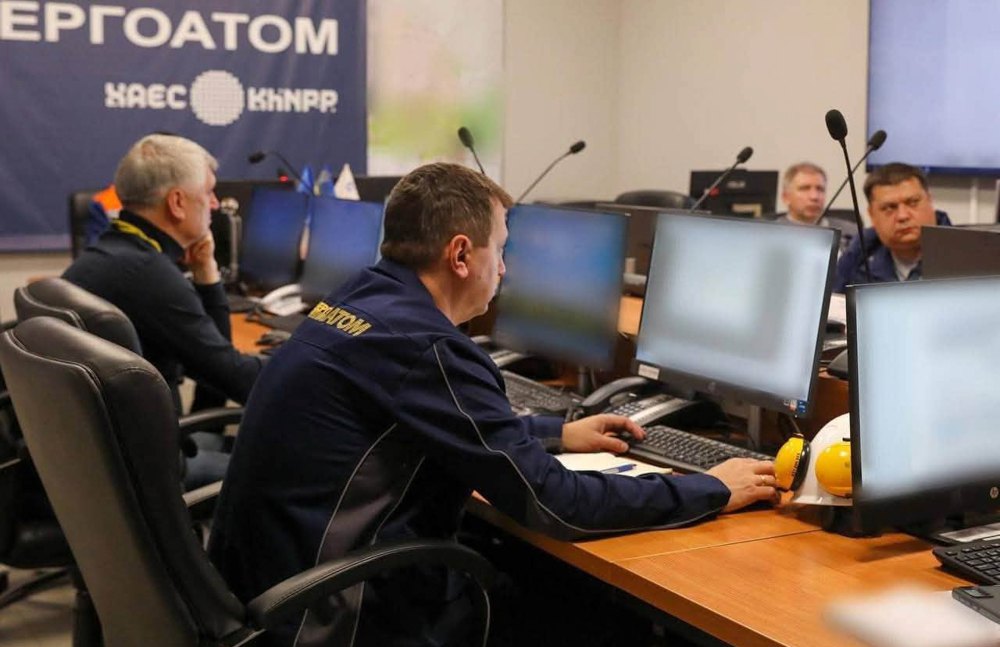
“Constant shelling of energy facilities leads to changes in loads and complicates the balancing of the power system. At the same time, due to air raid alerts, energy workers are forced to leave their workplaces and move to shelters, which in some cases makes it impossible to operate manual voltage regulation directly at energy facilities,” explains the press service of Sumyoblenergo.
Russians targeted NPP infrastructure — stations slowed down
After a massive attack this week, the reserve of power generation capacity has decreased again. Russians attacked three thermal power plants in Ukraine. DTEK reported that the facilities suffered serious damage and stopped. Workers were not injured.
Russians admitted another war crime: their Ministry of Defense publicly reported attacks on civilian energy facilities.
“Energy workers are inspecting the stations and assessing the extent of the destruction. But it is already clear that they are significant. The elimination of the consequences and repair work will be long,” says the head of the communications department of DTEK Energy, Oleksandr Kuterevschyn.
Overall, the share of thermal generation in the country’s energy balance is continuously declining.
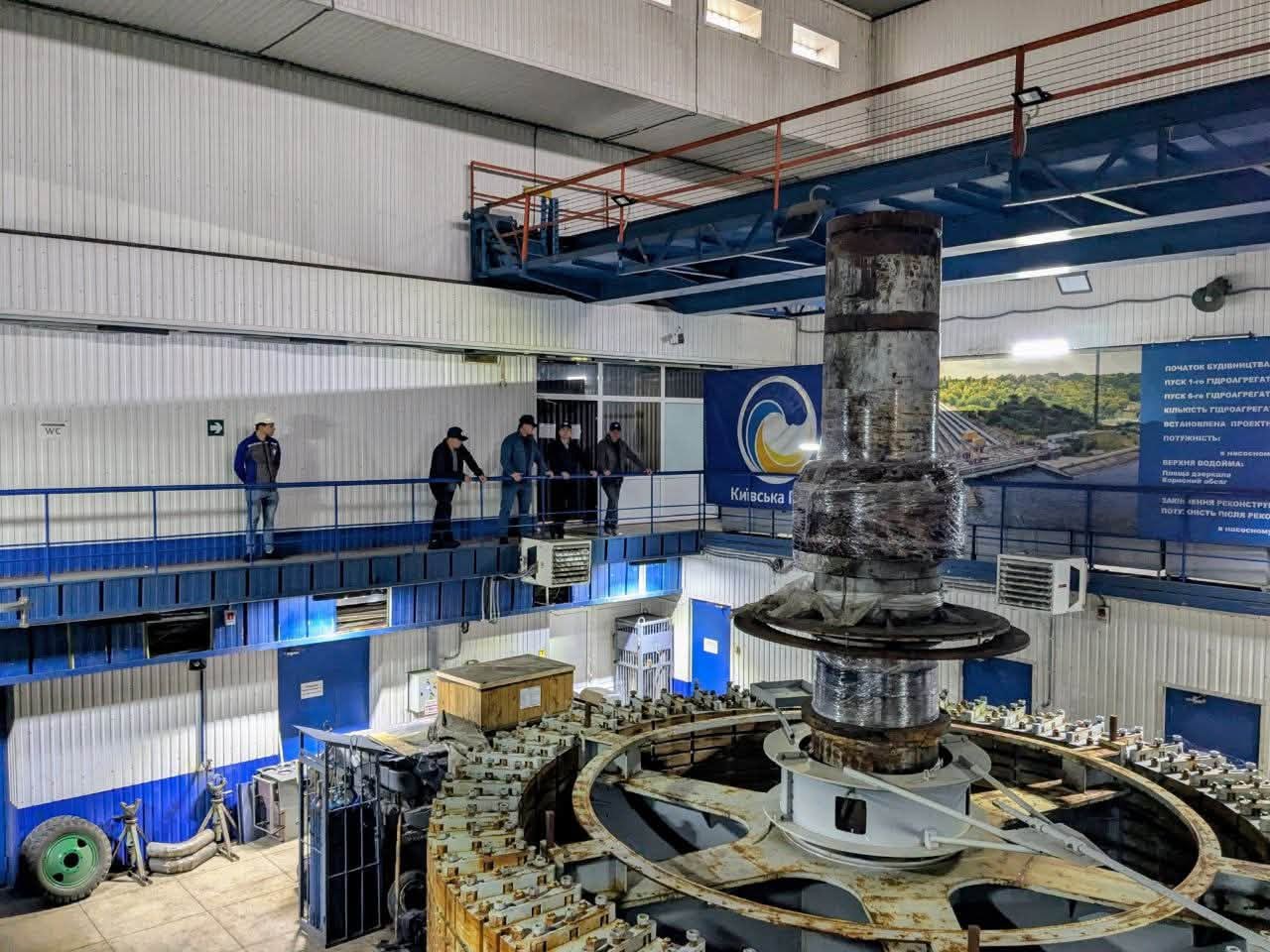
Hydroelectric power generation also remains at a very low level due to low water levels in the Dnipro and Dniester. At the same time, the operation of HPPs is extremely important for balancing the system during peak consumption times in the morning and evening.
“With the drop in temperatures, the risks of local and systemic deficits, restrictions for all categories of consumers, and their duration will increase. The situation in Konotop is indicative, where strikes on several energy facilities significantly limited the city’s backup power,” explains former Minister of Energy Olga Buslavets.
Meanwhile, all nine nuclear power plant units are operating in Ukraine’s energy system: the planned repair campaign at the nuclear plant has ended. Although this has strengthened the overall generation reserve, it will not save the country from schedules.
Firstly, nuclear generation is basic and can only operate at one level. That is, it cannot increase production capacity during peak consumption times. Nuclear power plants supply electricity evenly.
Secondly, even the electricity already generated at nuclear power plants is currently difficult to deliver to certain regions and cities, including Kyiv. This is because Russians are targeting the transmission system — the energy bridges supplying electricity.
And the third factor — the Kremlin is raising the stakes again. During the attack on Tuesday, the Russians directed three drones at a substation that is critically important for the stable operation of the Khmelnytskyi NPP.
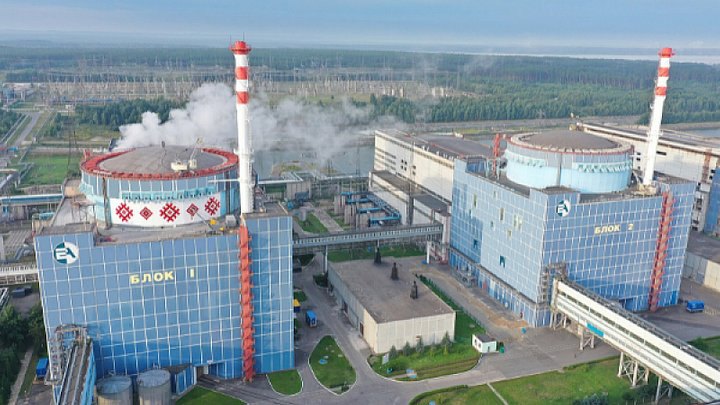
It’s hard not to mention the new IAEA mission, which was supposed to monitor the situation at such facilities. Its creation was announced, but how the situation is developing further is unknown.
Russian strikes on Ukraine’s energy sector on Wednesday, November 4, also affected the operation of nuclear power plants. Ukrainian energy workers had to reduce the power of nuclear power plants.
“Due to massive and systemic Russian attacks on energy infrastructure, nuclear power plants have forced to reduce generation capacity. Returning to nominal indicators will occur gradually, as energy workers restore networks damaged by shelling,” reported Deputy Minister of Energy Artem Nekrasov.
There were no threats to nuclear safety thanks to the skilled work of professionals. However, returning to the usual level of generation at nuclear power plants takes time, which also affects the duration of outages in certain regions.
“This is not only a war of Russian ballistic missiles, ‘Geranichs’ and ‘Shaheds’ against Ukrainian air defense. It is also a war of brains, brilliant engineering minds. I hope that one day a place will be found on the long bench of defendants in The Hague for the Russian specialists coordinating the attacks. And standing behind restorations, repairs, and building defenses are Ukrainian energy workers, whose professionalism and courage are truly our most valuable assets,” believes Ukraine Facility Platform expert Maria Tsaturian.

Again Without Justice: Winter Outages Will Differ Greatly Across Regions
The restoration of damaged generation and transmission systems is ongoing almost around the clock, with air raid alerts significantly complicating repairs. The likelihood of repeated strikes is very high.
“The Russians specifically launch drones into Ukrainian territory in small batches. There are regulations, and work cannot be conducted. We remember that two weeks ago in Kyiv, a utility company driver was killed. He was at the site during the yellow level of danger,” says energy sector specialist, Professor Stanislav Ignatyev of Poltava Polytechnic.
President Volodymyr Zelensky thanks the energy workers for their hard work, speaking about the round-the-clock restoration format of the damaged infrastructure, as well as repeated Russian strikes.
But on the other hand, the head of state has instructed an investigation into companies lagging in the pace of work. Whether repairs can really be accelerated with the president’s input remains an unanswered question.
“However difficult it might be, the entire country must have the most efficient and complete operation of state structures, regional and local authorities, and EVERY company supplying people with electricity, heat, and water, regardless of the ownership form of these companies,” Zelensky stated.
Whatever the pace of recovery, it is already clear: the electricity situation in the regions this winter will differ significantly.
The central and western parts of the country might go through the heating season most comfortably, believes Oleksandr Kharchenko, Director of the Energy Research Center.
It is evident that Russia will continue to attack the energy systems of regional centers. This can provoke emergency power outages. In such conditions, even in the western regions, emergency outages are possible due to technical limitations. However, eventually, the situation will be rectified.
In front-line and border regions with Russia, the schedule durations will be much longer due to the higher intensity of enemy attacks there.
The Kyiv and Odesa regions will have their specific situation with blackout schedules. The concentration of strikes on the energy infrastructure of these two regions is particularly high. For the Russians, they are priority targets.
“In their logic, everything comes from Moscow. Therefore, Russians believe that if the capital suffers, they are close to victory. They try to impose this model on Ukraine—which is a mistake, but it is how it is. Also, there is natural animosity toward Odesa, which they considered a Russian city. So they will attack both areas,” explains Oleksandr Kharchenko.
Russians will not be able to completely blackout Kyiv, but they will try. Due to the city’s size, the situation may vary in different districts, the expert explains.
“When a strike hits, part of the city may experience an emergency outage for 12–16 hours. Then the power returns,” Kharchenko adds.
At the same time, the expert believes that the likelihood of a nationwide blackout this winter is extremely low. The Russians do not have such capabilities, and most importantly, Ukrainian energy specialists know how to maintain the integrity of the power system.
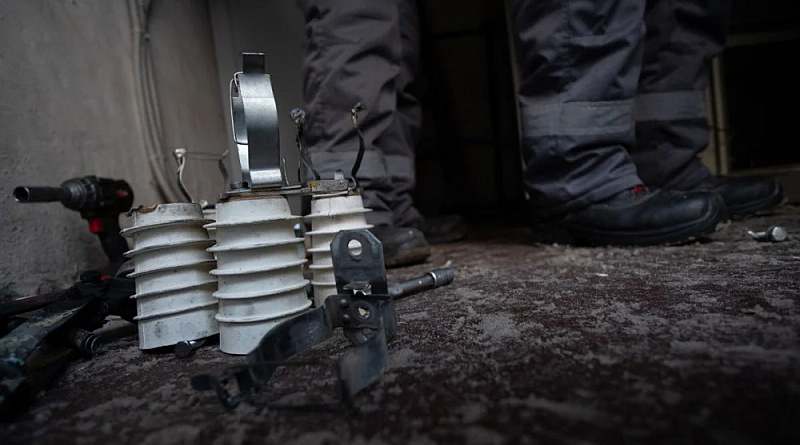
In the thumbnail: DTEK employees perform repair work at an electrical substation in Kyiv, January 21, 2026. Photo: DTEK
