
The most dangerous thing is when a crisis becomes a way of governance.
In Oslo, they spoke about peace again. About security guarantees, territories, stopping strikes on energy. The American envoy will carry proposals to the Russians…
… And Lavrov has already announced that there will be no political concessions.
Amazing thing: the cities of negotiations change, the delegations’ compositions change, the wording of guarantees changes. And the Russian response remains approximately the same.
And this is not the only pattern in the latest news.
The Americans assure that the exchange of intelligence continues. But the Ukrainian side has to separately figure out why there are issues with warnings about ballistic missiles, Starlink, and Patriot supplies.
Russia is launching more and more rocket drones. We are looking for ways to intercept them, but the technological race does not wait for meetings to conclude.
Energy workers are restoring the damaged infrastructure. Cities are preparing for winter. The government is distributing responsibility, unblocking payments, clarifying emergency measures.
And is already preparing for the next strike.
In mobilization, it’s a similar story. Another attempt to review reservations will not replace answers to questions about rotation, military motivation, justice, and the preservation of defense production.
Here’s what unites these plots: the state is increasingly occupied with overcoming the consequences of its own unpreparedness for the next crisis. This is more dangerous than a single mistake.
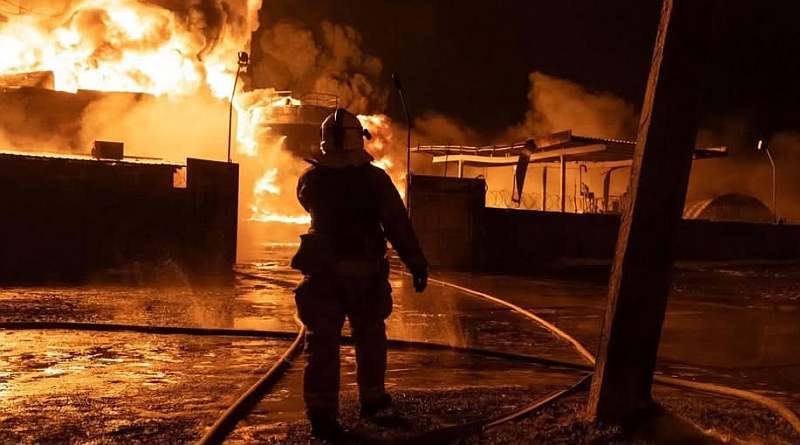
Because Russia is fighting not only against our troops, cities, and power plants. It tries to make us constantly late with decisions. And when the government responds to each problem with a separate fire team, the enemy is already preparing the next fire.
What to do?
Stop treating diplomacy as waiting for Putin’s next response. A plan is needed to force Russia to cease fire, with strengthened sanctions, defense production, and Ukrainian capabilities to inflict losses on the aggressor.
Work with the US through the White House, Congress, defense companies, European partners – these are opportunities that cannot be dependent on one person’s mood.
Direct more funds directly to combat brigades. Ensure air defense, energy protection, preservation of critical production. And finally propose an honest system of army replenishment and support for those already fighting.
This requires not another crisis headquarters, but a change in management approach.
Ukrainians have learned to live and fight in constant crisis conditions. But this does not mean that the government has the right to make a constant crisis its model of work.
