

The signing of an agreement between Syria and Russia on the reorganization of the military presence on the Mediterranean coast became a clear confirmation of the Kremlin’s geopolitical retreat from the Middle Eastern region.
Reports from the Syrian state news agency SANA and leading international publications indicate that the former format of full control over strategic facilities in Syria is ceasing to exist. The document, developed over 18 months of negotiations in contacts with Syrians, enshrines the removal of Moscow’s status as the sole master of key military outposts.
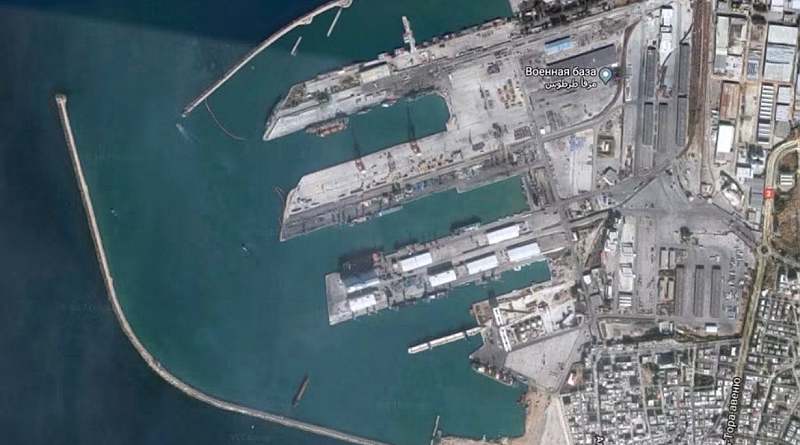
Official representatives of Syria’s foreign ministry stated that the naval base in Tartus and the Khmeimim airbase would lose their former status since they are planned to be transformed into centers for joint training and skill development.
Russian diplomacy’s attempts to present the ongoing changes as a planned transformation and creation of partnership mechanisms appear unconvincing against the backdrop of actual control mechanisms passing into the hands of local authorities. Foreign policy analysts from Arab and European countries agree that the loud phrase “about the work of the facilities in the interests of both parties” serves as a linguistic screen behind which a forced surrender of positions is concealed.
The transition process will take a maximum of 3 months, after which the agreements will come into full force. During the allotted time, the civil administration of the Arab Republic is obligated to take control of the Khmeimim airport, which was previously used as the main hub for the transfer of Russian forces, as well as the 4th commercial docking area in Tartus port. The Syrian Civil Aviation Authority has already begun inspecting infrastructure in Latakia to prepare the facility for resuming operations in the interest of the national economy.
The loss of exclusive access to military facilities in the Mediterranean became the inevitable result of the collapse of Bashar Assad’s regime in December 2024, when Moscow lost its main satellite. The agreements of 2016 and 2017 guaranteed Russian leadership free territory leases for 49 years, but the change of power in Damascus annulled previous privileges. The withdrawal of a significant portion of heavy equipment, which began in late 2024, indicated that maintaining these positions at the previous scale became impossible.
International observers note that the current retreat clearly demonstrates the exhaustion of the Kremlin’s military and financial resources. The reduction of presence in the port of Tartus destroys long-standing ambitions for constant patrolling of the Mediterranean Sea, as the naval fleet loses its logistical support without a full-fledged supply base. The Khmeimim airbase, from which strikes were carried out on Syrian cities for almost 10 years, is turning into an ordinary training point, controlled by Syrian structures.
The transfer of civilian infrastructure and reduction of military presence put a definitive end to the era of Russian military intervention in the region. The events around Khmeimim and Tartus show the world that the attempt to maintain strategic dominance by supporting dictatorial regimes ended in failure, and the signed memorandum merely formally records the fact that Russia is finally losing Syria.
In the image: naval base in the port of Tartus, Syria
