

Information on current losses of Russia due to sanctions as of 21.06.2026.
1. Ukraine struck an oil refinery 2,000 kilometers from the border with Russia.
– Ukraine attacked an oil refinery in the Tyumen region, located approximately 2,000 kilometers from the Ukrainian border. The strike was another episode in the campaign to reduce the capabilities of Russia’s fuel and energy infrastructure.
– The enterprise is one of the largest private oil refineries in Russia and can process about 151 thousand barrels of oil per day. It plays an important role in supplying the domestic fuel market.
– In recent months, Ukraine has significantly increased the scale of strikes on Russian oil infrastructure. Just this week, oil refining facilities in the Moscow region were attacked twice.
– Oil refining volumes in Russia in June fell to the lowest level in the last two decades, increasing the risks of a fuel shortage, rising prices, and a reduction in budget revenues from the oil sector.
– The attack on an object thousands of kilometers from the border also demonstrates the expanded reach of Ukrainian long-range drones and the increased vulnerability of Russia’s energy infrastructure even in deep rear areas.
2. The occupation authorities of Crimea stopped selling fuel to the population after strikes on the oil depot and ferry infrastructure.
– Following the overnight attack on fuel and transport infrastructure in the Kerch Strait area, the occupation authorities of Crimea introduced strict restrictions on the sale of fuel.
– From June 21, fuel in Crimea will be dispensed only to state services that ensure the functioning of critical infrastructure and security.
– At the same time, Russian authorities reported the indefinite suspension of ferry service across the Kerch crossing towards Crimea. Freight transportation is advised to use a longer overland route through the temporarily occupied territories of southern Ukraine.
– According to Russian and local sources, fires broke out at the oil depot in Kerch and at facilities in the Port of Kavkaz area on the Russian side of the Kerch Strait after the attack.
– The ferry infrastructure was also confirmed to be hit. Restrictions on fuel sales and the cessation of ferry services indicate growing difficulties for Russia in supplying occupied Crimea.
– Strikes on fuel and transport infrastructure undermine the logistics of occupation forces and add additional pressure on the Russian supply system in the southern direction.
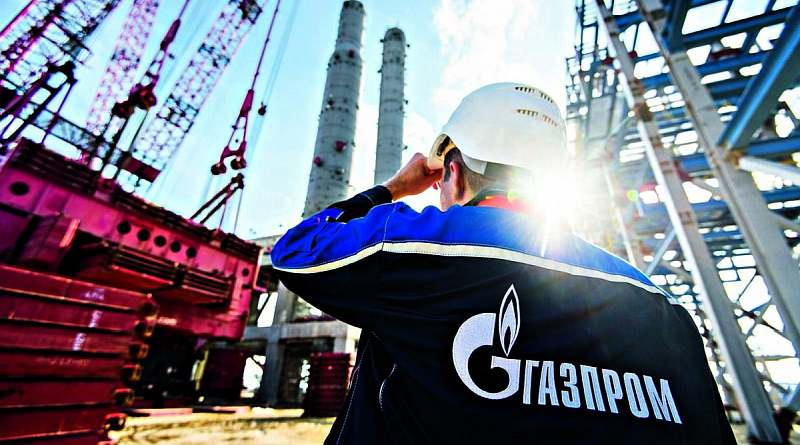
3. Gazprom shares fell to a 17-year low.
– Gazprom’s shares on the Moscow Exchange have fallen to their lowest level since December 2009 — around 105 rubles per share. Since the beginning of the year, the company has lost over 16% of its market value, and compared to the peak figures of 2021, its capitalization has dropped by almost 75%.
– Currently, the gas monopolist’s market value is estimated at about 2.5 trillion rubles, or approximately 34 billion dollars. This sharply contrasts with the company’s management’s promises to transform Gazprom into a corporation with a capitalization of 1 trillion dollars.
– The primary reason for the collapse was the sharp reduction in gas exports following Russia’s full-scale invasion of Ukraine. Deliveries to Europe, which for decades was a key market for Gazprom, have fallen to their lowest level in over half a century. Attempts to redirect exports to China have so far not compensated for the loss of the European market. Volumes remain significantly lower, and prices for Chinese buyers are substantially less than those previously paid by European consumers.
– An additional blow for the company has been the uncertainty surrounding new gas contracts with China. Despite years of negotiations, Beijing has yet to agree to implement key projects that the Kremlin counted on to replace the lost European market.
– The fall in Gazprom’s shares reflects a deep crisis in the Russian gas industry, which has lost its most profitable export direction and has not yet found an equivalent replacement.
4. Russia offered India access to one of the largest rare earth metal deposits.
– Russia has offered India the opportunity to participate in the development of the Tomtor deposit in Yakutia — one of the largest undeveloped rare earth element deposits in the world. An Indian state company is negotiating to obtain raw material samples for analysis and evaluate the prospects for cooperation.
– The deposit is of strategic importance due to its high content of rare earth metals, which are used in the production of electric vehicles, electronics, military equipment, and high-tech products. Control of the project passed to Rosneft last year.
– For Moscow, the offer is an attempt to find new sources of investment and technological partnership amid sanctions and deepening isolation from Western markets. Despite significant reserves, Russia has not been able to fully develop the Tomtor deposit for years because of challenging extraction conditions, lack of technology, and insufficient funding.
– At the same time, India’s position in the negotiations appears stronger. The country has some of the largest reserves of rare earth metals in the world and is implementing its own development program for the industry. This means New Delhi does not critically depend on Russian raw materials and can dictate favorable terms of cooperation.
– After losing a significant portion of Western markets, Moscow is increasingly compelled to offer its strategic resources to China and India on terms that are significantly less favorable than before the full-scale war against Ukraine began.
5. The drone war deprives Russia of an advantage on the front.
– The Russian military machine is increasingly facing the consequences of Ukraine’s technological superiority in the field of unmanned systems. Innovations by the Ukrainian military are undermining one of Russia’s main advantages — its numerical advantage in manpower.
– According to the analytical group Black Bird Group, the current tactics of the Russian army no longer provide large-scale breakthroughs at the front.
– Ukraine is actively increasing the use of drones to target the logistics, equipment, and manpower of the enemy. The automation of combat has significantly reduced the importance of army size, allowing results to be achieved with thousands of drone operators instead of hundreds of thousands of soldiers.
– The strikes on Russian supply chains have become particularly noticeable. Ukrainian drones regularly attack the transportation routes that supply the occupying forces in southern Ukraine and Crimea. This complicates logistics and increases the burden on the Russian army.
– At the same time, Russia’s military-industrial complex, according to Western intelligence estimates, is operating at the edge of its capabilities. Record low unemployment makes it difficult to find qualified personnel for high-tech production, and further increasing the production of weapons will require significant investments and time. Russia has so far been unable to find an effective response to the rapid development of Ukrainian drone technologies.
– This gradually reduces the effectiveness of Moscow’s advantage in troop numbers and resources, and complicates the attainment of the Kremlin’s strategic goals on the battlefield.
6. The recovery of China’s demand could once again drive up oil prices.
– The drop in oil prices following reports of agreements between the US and Iran concerning shipping security in the Strait of Hormuz may prove temporary. China’s return to active oil purchases could quickly alter the global market situation.
– After news of potential full-scale shipments through the Strait of Hormuz, Brent and WTI quotations sharply declined as traders anticipate increased oil supply from the Middle East.
– However, in recent months, weak demand from China has been one of the key factors restraining price growth. In May, crude oil imports to China fell to the lowest level since 2017. Beijing actively used accumulated reserves, reduced refinery loads, and decreased fuel consumption. This partially compensated for the loss of Middle Eastern supplies and lowered pressure on global prices.
– For Russia, this situation had a negative effect. Although oil prices did rise during the crisis, weak demand from China prevented quotations from going even higher.
– Consequently, the Russian budget missed out on a portion of potential oil export revenue that could have been gained with active purchases by Beijing. In effect, China’s reduced imports restrained not only global price growth but also the Kremlin’s chance to earn excess profits from another geopolitical shock.
– This is particularly sensitive for Russia amid rising military expenses, budget deficits, and reliance on oil revenues. If the Chinese economy begins to increase oil purchases, the market could quickly shift from expectations of surplus to a more strained balance. The resurgence of Chinese demand could intensify global inflationary pressure and complicate the task for central banks.
– However, even in such a scenario, Russia increasingly depends on a single buyer—China, which uses its market weight to secure significant discounts on Russian oil and dictate favorable terms of cooperation.
7. Thousands of Serbs protest demanding early elections.
– In the Serbian city of Novi Sad, thousands participated in a large-scale protest demanding early parliamentary elections and political changes in the country.
– The trigger for the rally was the anniversary of the tragedy at Novi Sad railway station, where 16 people died in 2024 due to a canopy collapse. Following the disaster, a powerful student protest movement unfolded across Serbia, evolving into one of the largest anti-government campaigns in recent years.
– Participants accuse the authorities of corruption, inefficient management of state projects, media pressure, and election violations. Protesters demand free and fair elections and increased accountability for officials. The protests present a serious challenge for Vučić, who has been in power for over ten years. Amid growing public dissatisfaction, the issue of early elections is gradually becoming central in Serbian politics.
– An additional factor of pressure on Belgrade remains the European integration process. The European Union continues to demand that Serbia strengthen the rule of law, combat corruption, and align its foreign policy with the EU’s position, particularly regarding sanctions against Russia for the war against Ukraine.
