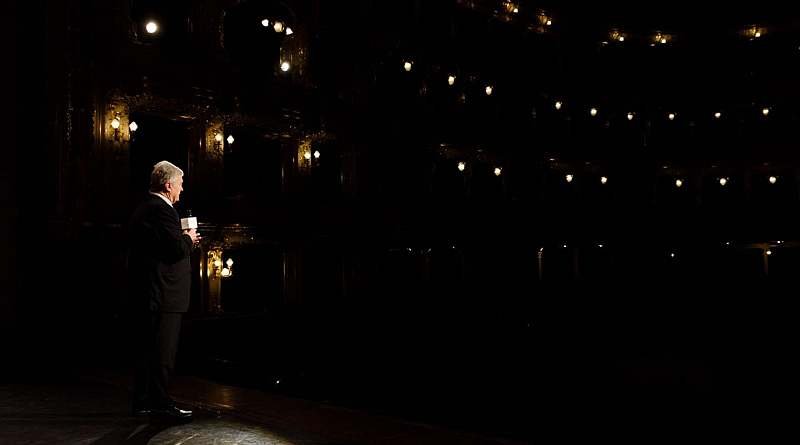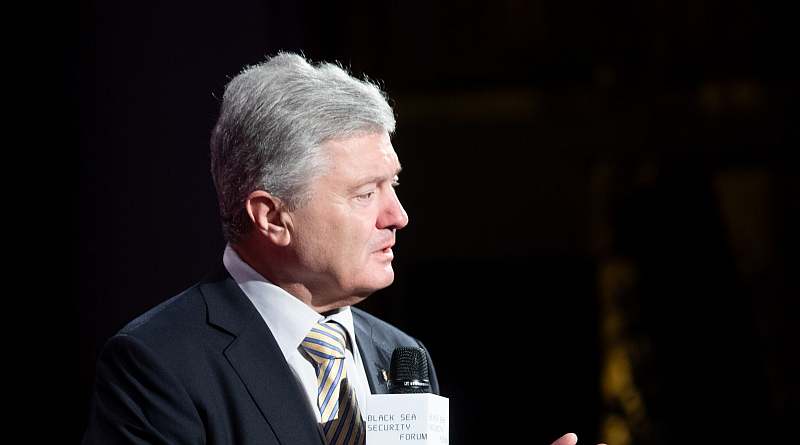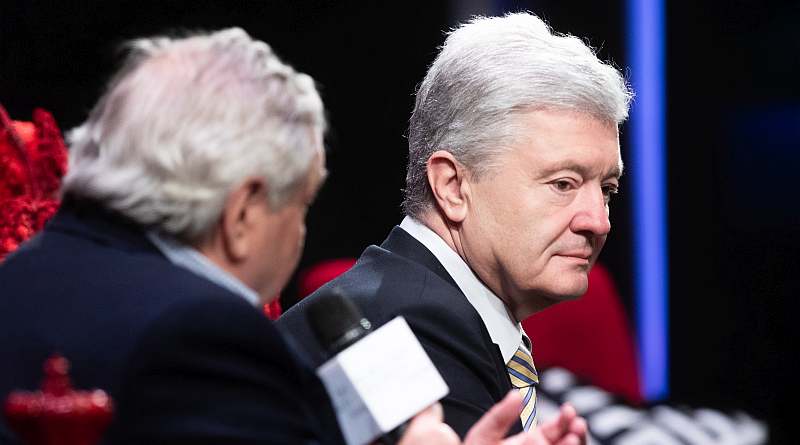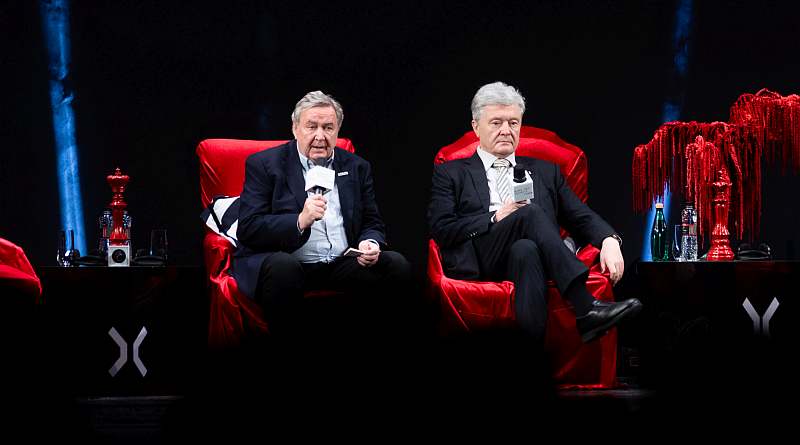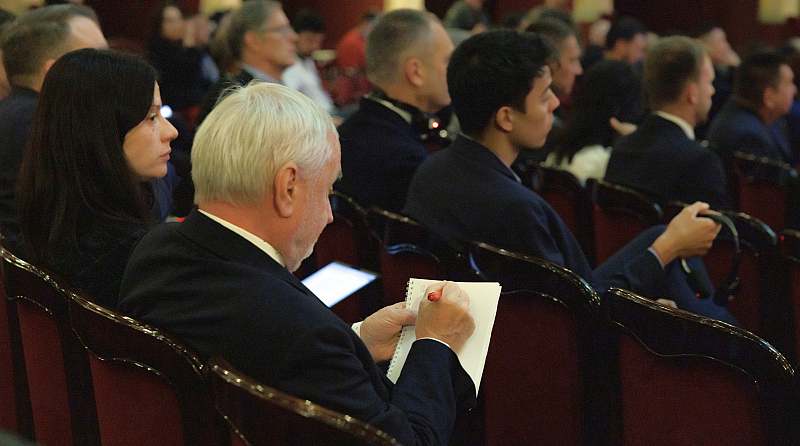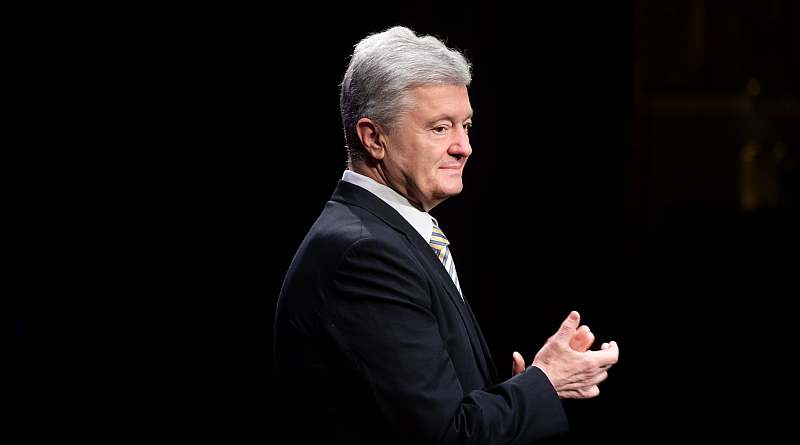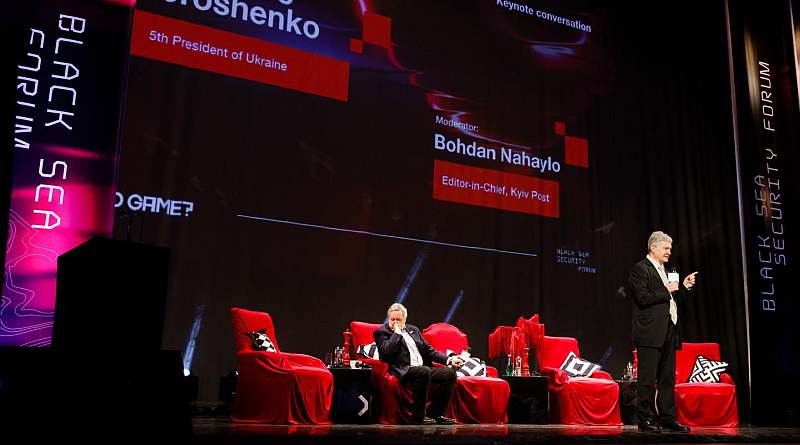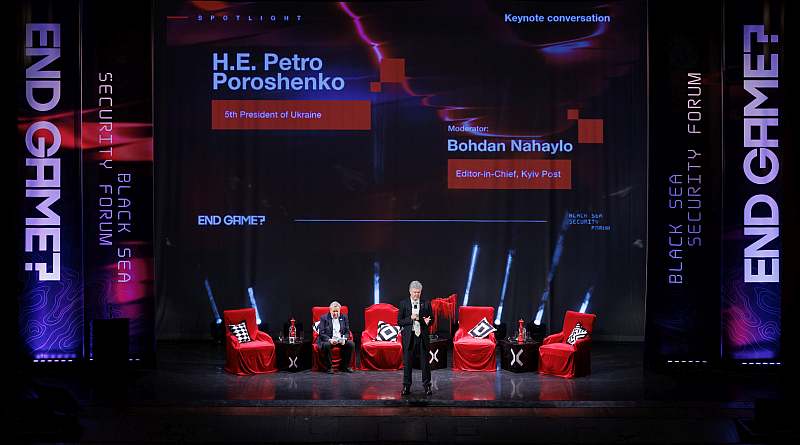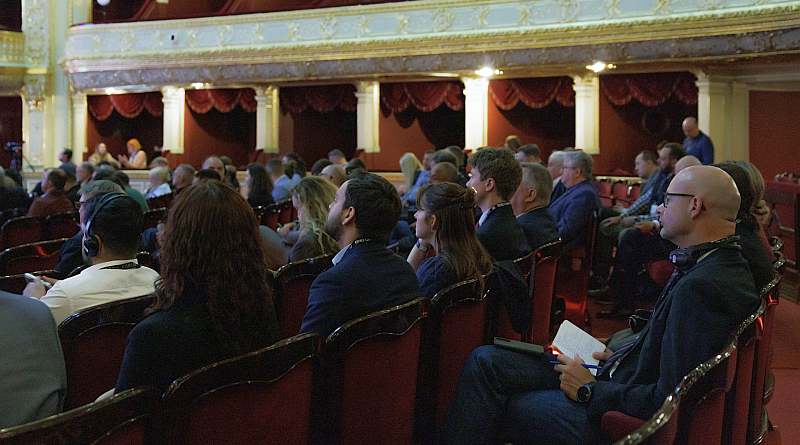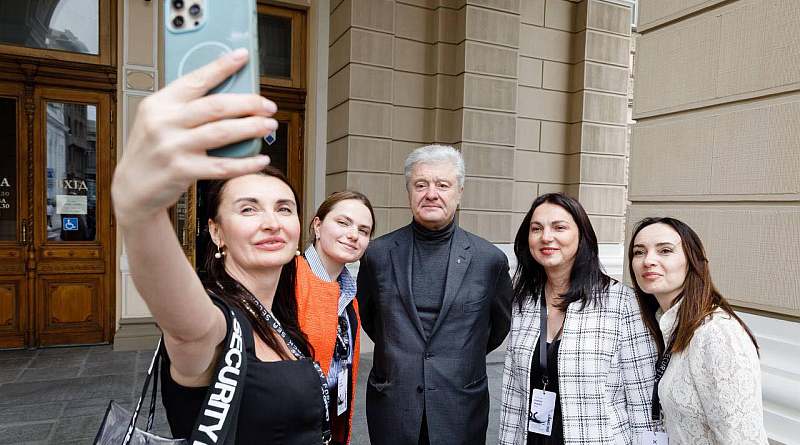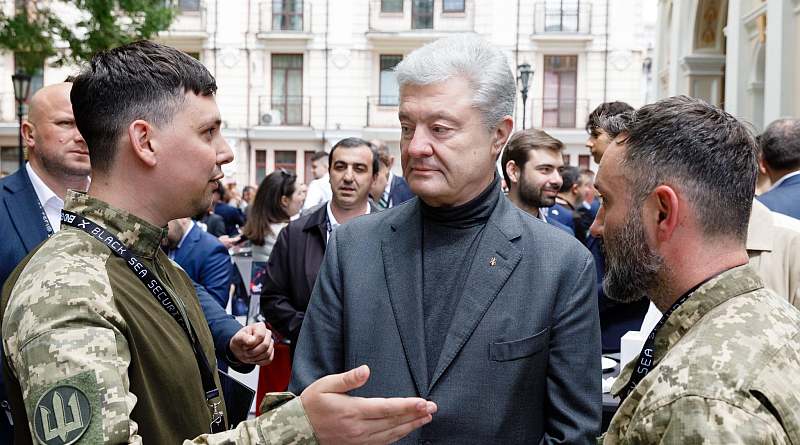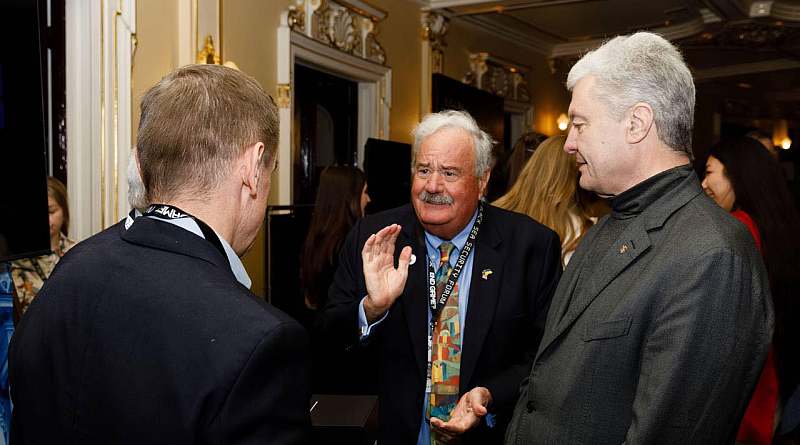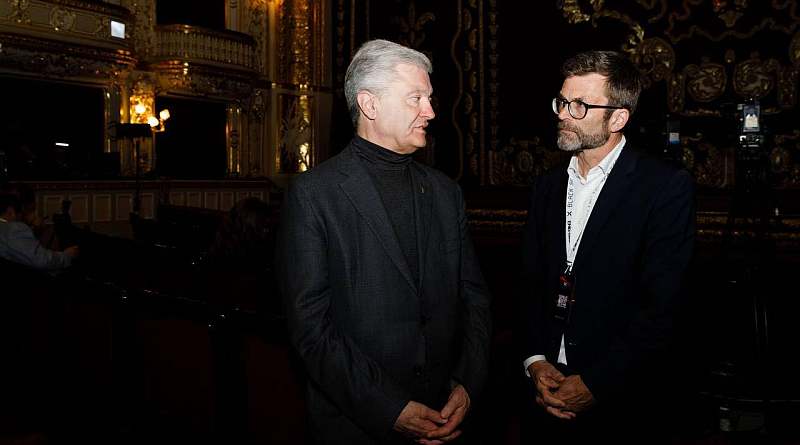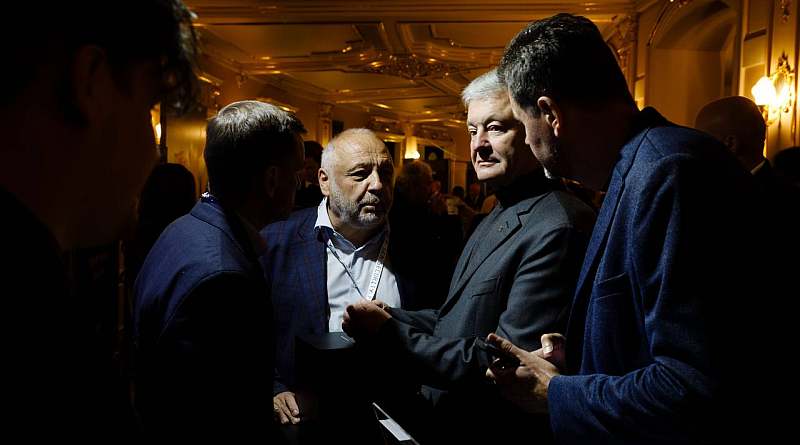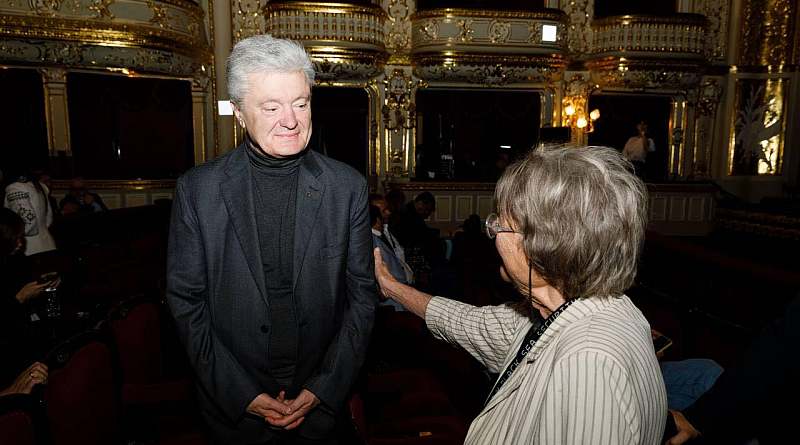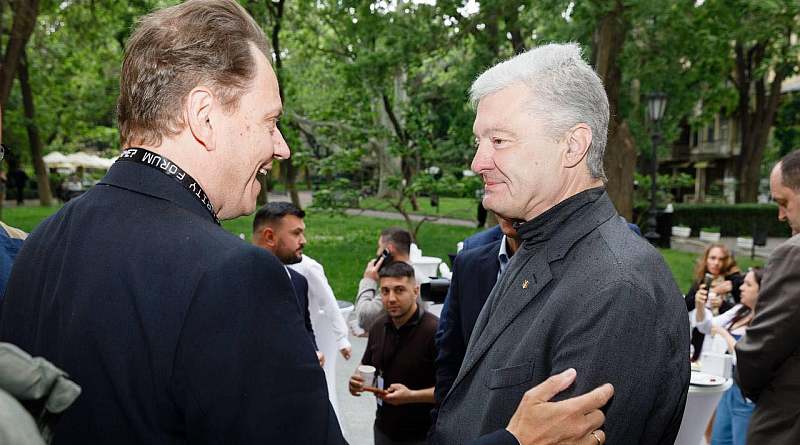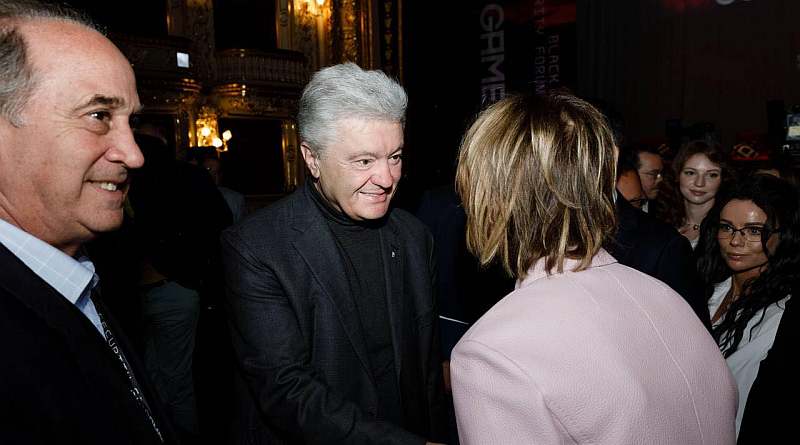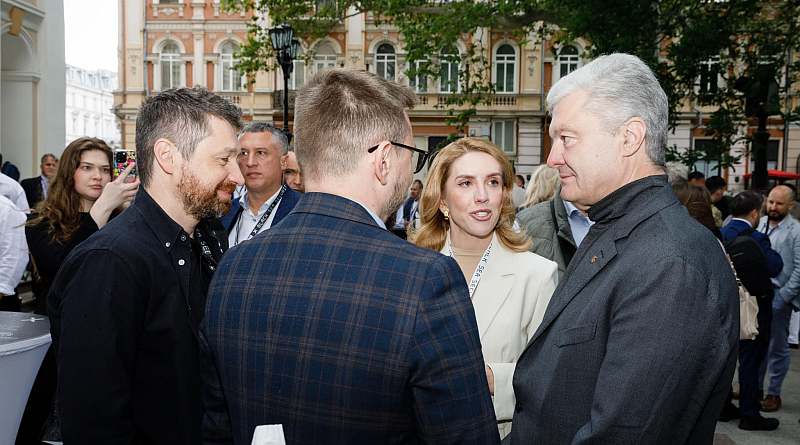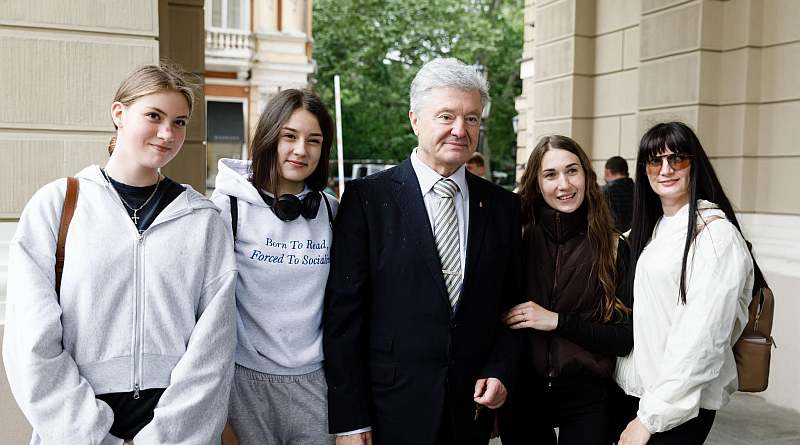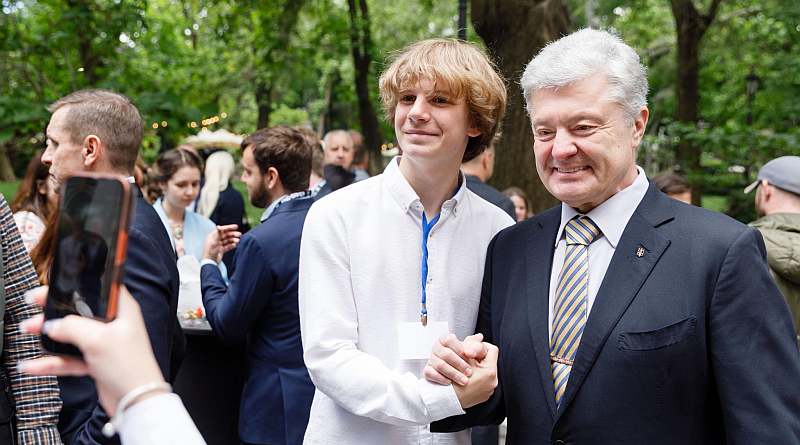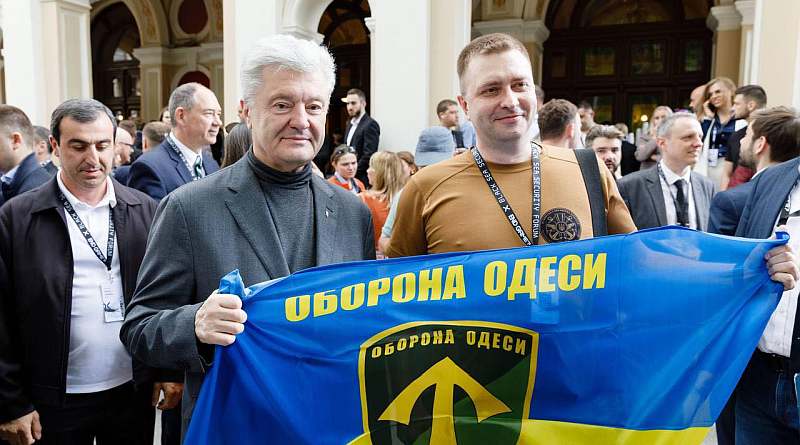
Black Sea Security Forum. Odesa. The day began here — in the city that broke the Russian naval blockade and remains Ukraine’s maritime gateway.
Since last year, almost nothing has changed here. And that’s the best assessment. The same high level of representation. The same impeccable organizational work. The same unique Odesa atmosphere.
The world around us has changed. And we must be ready for these changes.
The main goal of this forum, in my opinion, is to end the war. And let’s be frank, peace is needed not only by us, but by the entire world.
And this peace should be on Ukraine’s terms. Without “anything” in exchange for silence. A peace where Russia is weakened, where the absence of its military successes becomes apparent, where international sanctions work to the extent that Russia comes to sign the document not as a victor, but as one who has been compelled.
A year ago, the Kremlin promised new military breakthroughs. The Ukrainian people and Armed Forces broke these plans. And this already gives grounds for cautious optimism.
* * *
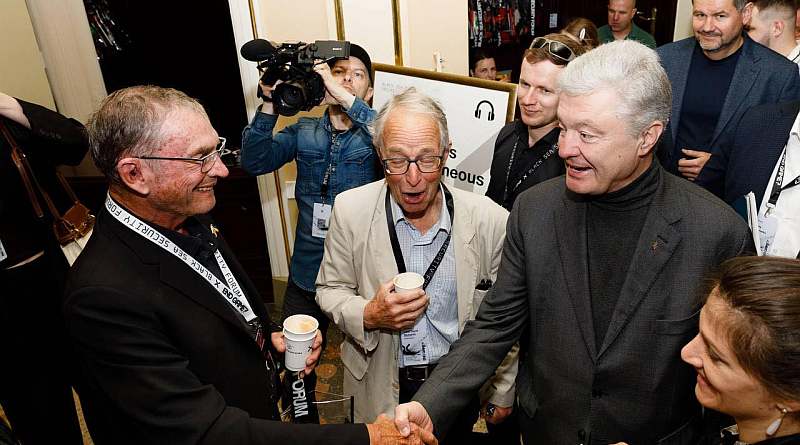
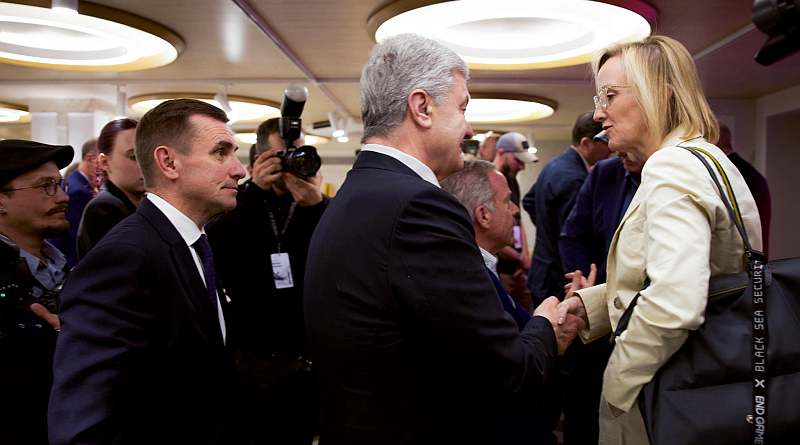
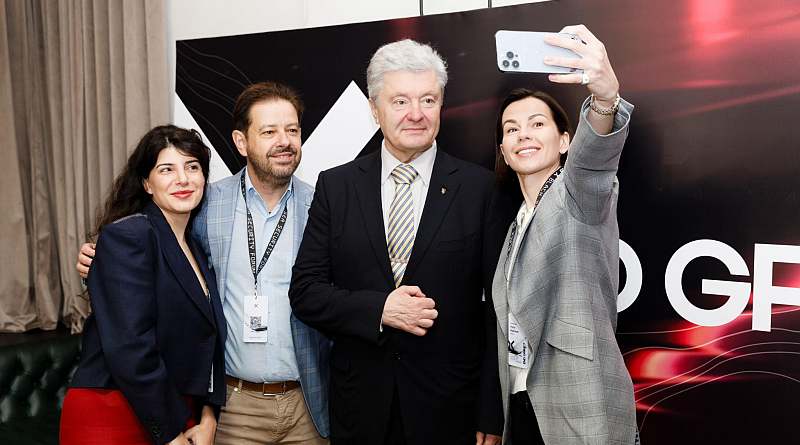
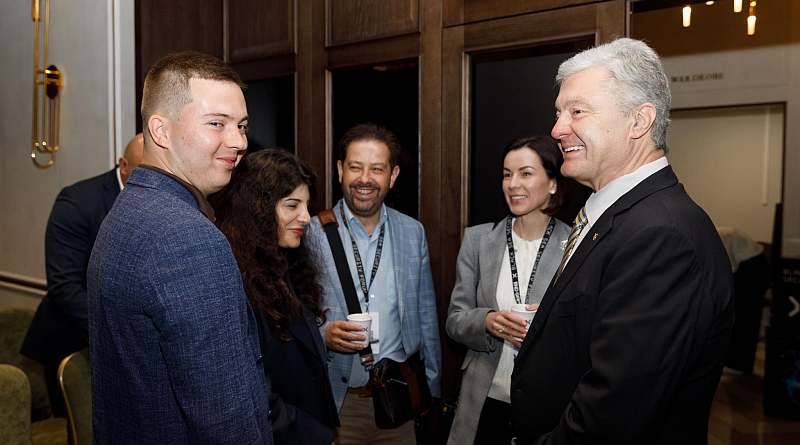
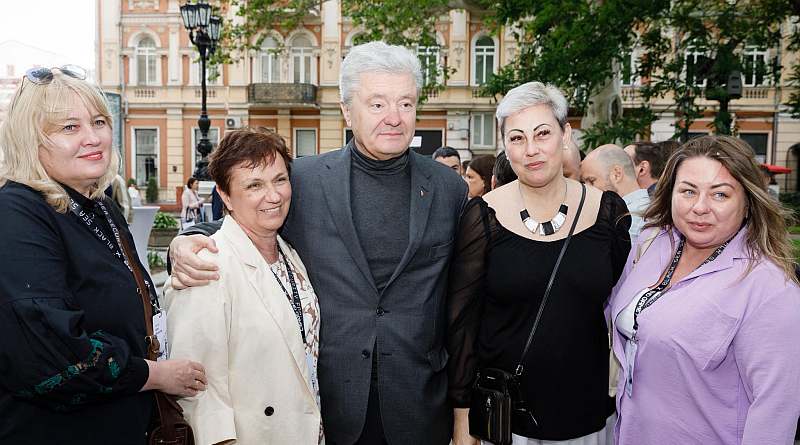
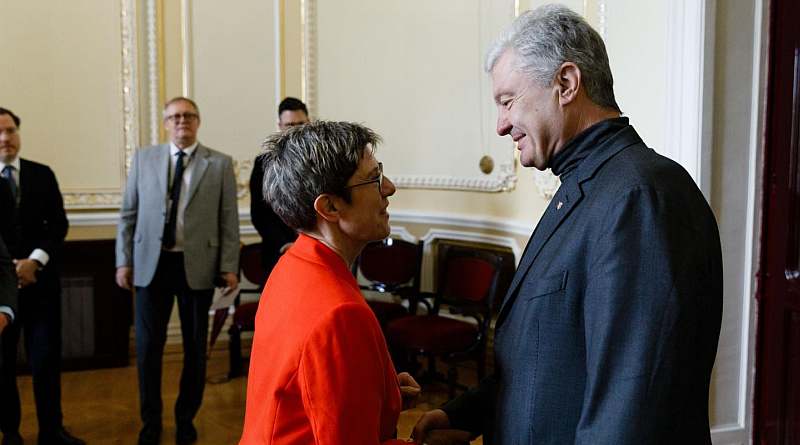
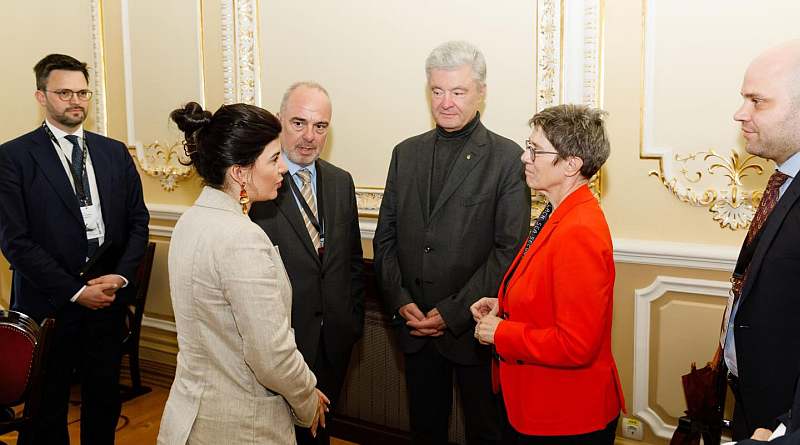
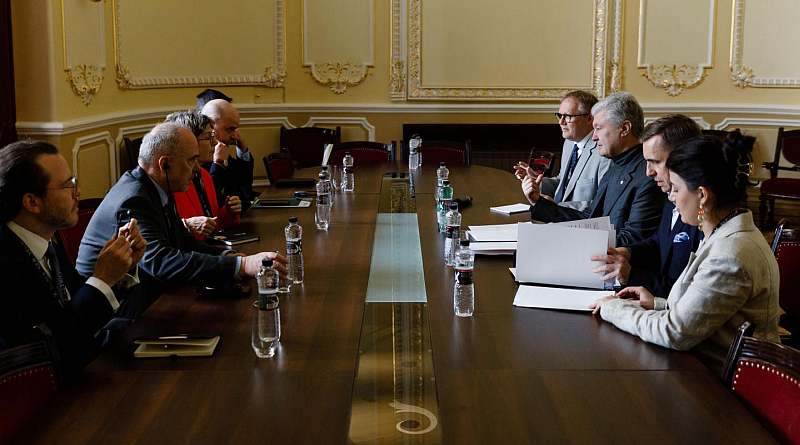
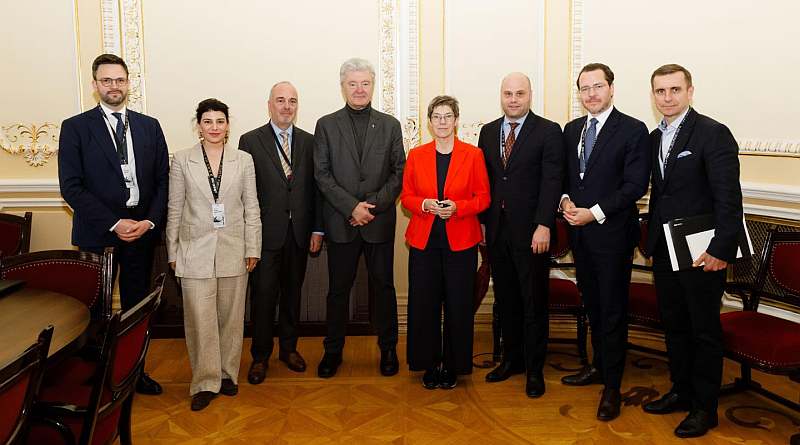
Always glad to meet with the head of the Konrad Adenauer Foundation, former German Defense Minister Annegret Kramp-Karrenbauer! Today together at the Black Sea Security Forum.
We talked about the needs of Ukraine’s Defense Forces and the necessity for unity to support security in Ukraine and all of Europe. It is important to accelerate Ukraine’s movement towards full membership in the European Union. These are the best guarantees for the independence, security, prosperity, and democratic development of our state.
We discussed the implementation of EU integration initiatives by German Chancellor Friedrich Merz. As well as the prospects for the swift opening of a democratic cluster within the framework of Ukraine’s EU accession negotiations.
Agreed to continue joint projects to strengthen democracy in our country.
 |
 |
 |
 |
* * *
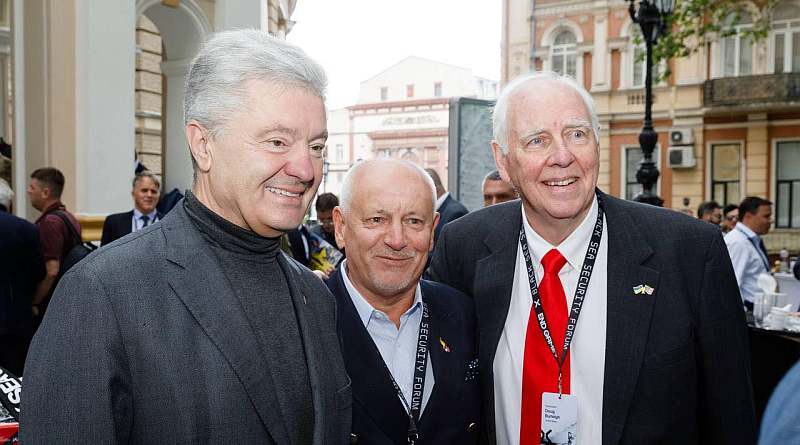
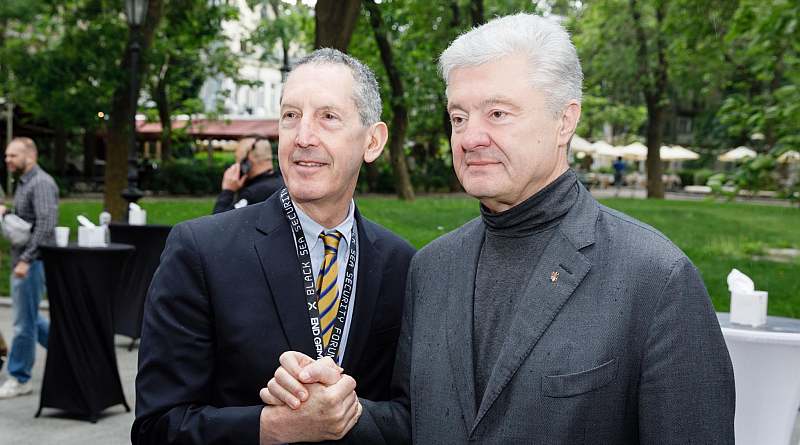
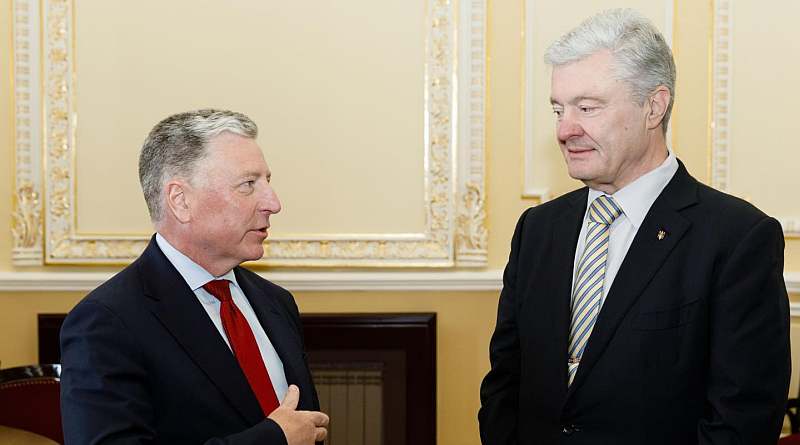
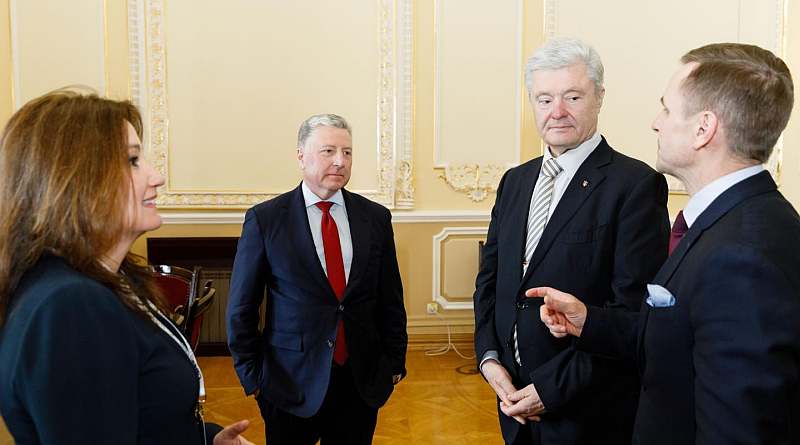
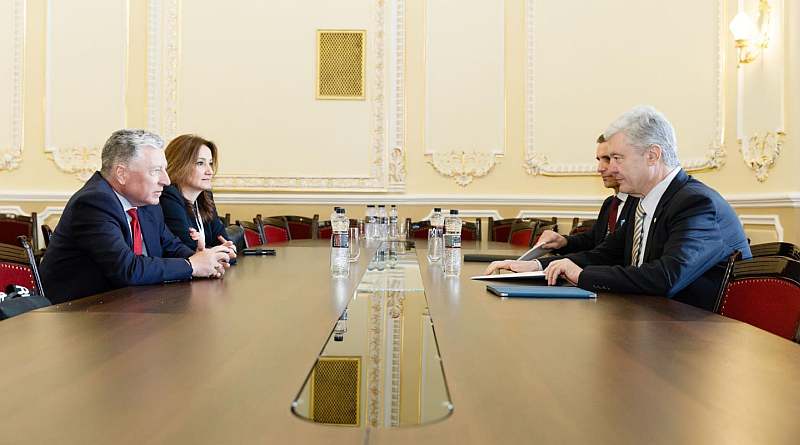
A nice meeting with Kurt Volker, former US Special Representative for Ukraine.
We talked a lot about the strategy for achieving a ceasefire as an important step towards genuine peace negotiations. I expressed the conviction that any diplomatic efforts must rely on strength, not illusions about Russia’s willingness to fulfill its commitments. Therefore, further strengthening of Ukraine’s defense capabilities and increased pressure on the aggressor remain critically important.
We exchanged views on approaches to cooperation with the current US President’s Administration, the US Congress, and possible further steps to strengthen support for Ukraine. We paid significant attention to maintaining and strengthening bipartisan support for Ukraine, as well as further developing the strategic partnership between Ukraine and the United States.
One of the priorities remains the strengthening of Ukrainian air defense. In the conditions of constant Russian missile and drone attacks, further strengthening of the air defense system, increasing the number of modern complexes, and replenishing the arsenal of missiles for the Patriot systems are critically important, as they save Ukrainian lives and protect our state every day.
Thank you for the interesting ideas and candid exchange of thoughts.
 |
 |
 |
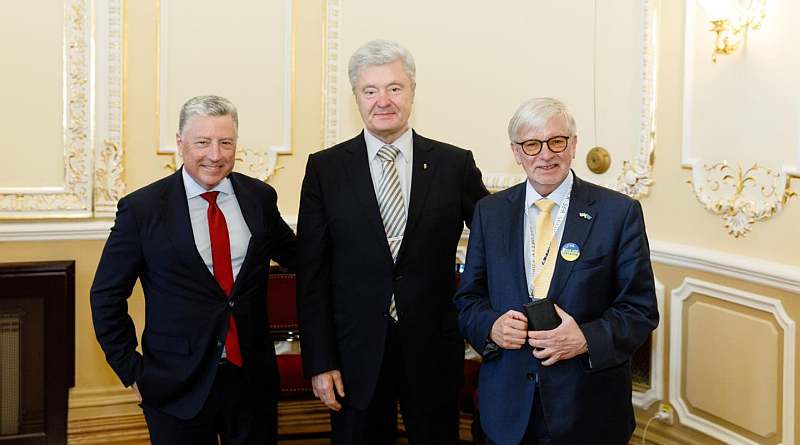
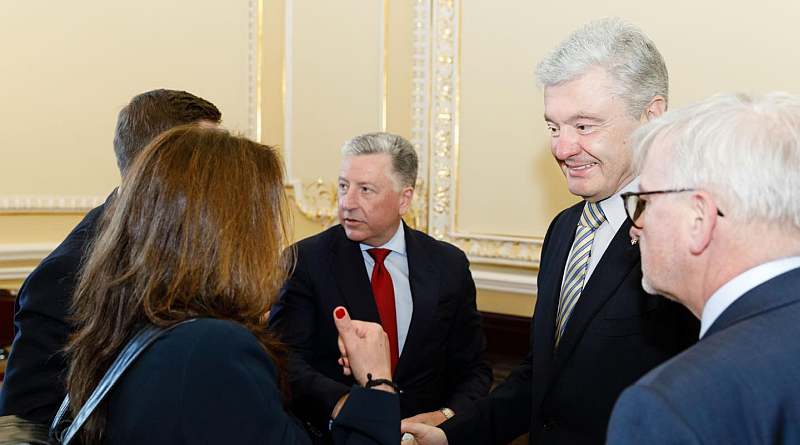
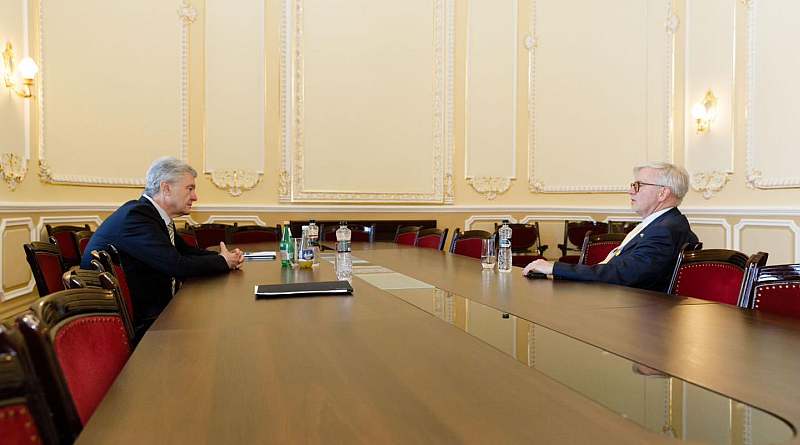
We discussed in detail the risks and potential opportunities for Ukraine regarding the initiative by German Chancellor Friedrich Merz on a special model of EU membership for our state, the status of Ukraine’s implementation of European integration reforms, particularly the 10 initial priorities in the field of democracy and the rule of law (Kachka-Kos Declaration), as well as the prospects for opening the “Fundamentals” cluster within the EU accession negotiations.
In the context of preparing the European Parliament’s draft resolution on the 2025 enlargement package, we agreed on a possible list of practical recommendations for Ukraine in implementing reforms and meeting the Copenhagen membership criteria.
 |
 |
 |
* * *
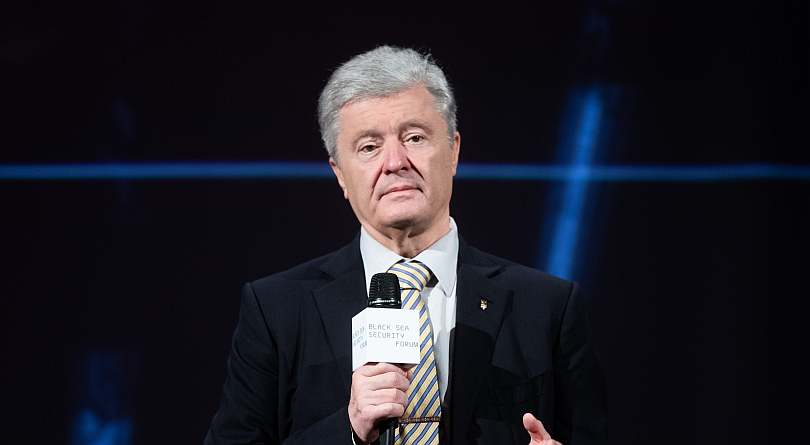
Petro Poroshenko’s Speech at the Black Sea Security Forum
Today we start the day at the Black Sea Security Forum, and I want to begin it with words of gratitude to the Armed Forces of Ukraine. Last night, while Odessa peacefully slept, the Air Force and air defense of Odessa shot down more than 20 Shaheds over the city.
And I am glad that the city and port of Odessa are now being protected, in particular, by the ‘Ai-Petri’ complexes — means of electronic warfare and counteraction to Russian technical intelligence, developed by our team. So thank you to the representatives of the defense industry who have completely changed this situation over the last five years.
Today, security issues are being discussed not only in Munich, not only in Halifax, not only in Kyiv. Odessa is one of the best places where we can do this. Thank you, dear Odessa.
Now — the main thing. I emphasize and responsibly declare: now, in May 2026, Ukraine, Europe, and the world have never been closer to peace than today. Our main task is to take advantage of this narrow window of opportunity. Use everything we have: the capabilities of the Armed Forces, the Ukrainian people, the Ukrainian government, Europe, and the United States of America. To ensure peace.
Putin once really liked the phrase “to force into peace.” We must turn it around — and use everything at our disposal to force Putin into peace. I am firmly convinced and ready to provide evidence: today it is definitely possible.
We will force Putin, Russia, into peace. And ensure a European future for Ukraine.
A third of them — the war with Russia in one form or another. We have traveled this path and we are still here. Twelve years of war with one of the largest states in the world. With this mad dictator Putin, who told the whole world that the Russian army is second on the planet.
How could Ukraine theoretically survive?
Today I can say: Ukraine has the strongest army in Europe. No one has any doubts about this anymore. And all this is thanks to the Ukrainian people, thanks to the Armed Forces of Ukraine.
Ukraine is no longer a post-Soviet territory, it is no longer the former Soviet Union. Ukraine is officially a candidate to join the EU. And I have a dream that Ukraine will become a candidate for NATO membership, because it is impossible to ensure stable security on the continent until the strongest army becomes part of this security organization.
I have no doubt: all Ukrainians have already mentally said “goodbye” to Russia. We will not return to the Russian empire.
The bad — of course, is the war. And here, let’s call things by their names: we must do everything possible and even impossible to stop this war. Not in three years. Not next March. Right now. And for this, we must have a plan, be focused, decisive, and have partners.
And what is terrible and ugly? The ugly is Putin. We need to stop Putin’s Russia. Because Putin is something ugly not only for Ukraine but for any European country.
Putin has made a terrible, catastrophic transformation of Russia. In Russia, there is no democracy, no pluralism, no independent judiciary, no free media, no opposition. And our task now is to do everything so that Ukraine, even in conditions of war, never turns into a state of Putin’s type — without democracy, without the rule of law, without free media, without opposition.
Therefore, our struggle against Russian aggression is extremely important. Our fight for democracy, for the European future, for a strong Ukrainian army, language, and faith. Because these are the prerequisites for Ukraine to become a European nation and have a future.
Russia is currently destroying the most effective security mechanism in the world since World War II. In 2014, I called for the deployment of a peacekeeping mission on the Ukrainian-Russian border and the introduction of “blue helmets.” We discussed this within the Normandy format, and in 2014, 2015, and 2016, it was absolutely possible.
During my negotiations with President Xi in 2015–2016, I received a firm guarantee that China would support the vote for “blue helmets” in Ukraine at the UN Security Council. Although President Trump maintained that funding the UN because of its inefficiency was just a waste of American taxpayers’ money, after two hours together in the Oval Office, Trump asked to immediately connect him with the permanent representative in New York and said, “I instruct you to support the proposal for ‘blue helmets’ in Ukraine.”
At the Berlin summit in the presence of Putin, Hollande, and Merkel, Putin said that yes, it was acceptable. We had a discussion about whether it should be a police mission or if there should be “blue helmets” on the border between Ukraine and Russia. Now I doubt that it’s possible because after Russia’s full-scale aggression against Ukraine, Russia remains one of the permanent members of the UN Security Council.
In theory, it’s still possible. But now security guarantees for Ukraine must be in the form of troops on the ground — boots on the ground. Now we must unequivocally demand not a peace agreement with 28 points, not a peace agreement with 20 points, not Anchorage, not 41 security guarantees.
The only thing we need to demand now and urgently is a comprehensive, immediate, unconditional ceasefire. And foremost, an immediate ceasefire from Russia.
That’s why we must use the tool of drone attacks by the Armed Forces, sanctions from our partners, the supply of new weapons, funding for Ukraine and the defense industry, and all the trumps we have at hand to make this happen.
Along with traditional diplomacy, Ukraine has invented drone diplomacy. And it’s our drones that have put an end to the era of Russian tanks. And now this is one of the key technologies of war. That’s why we fight so hard against the government taking 40 billion away from the Ministry of Defense for populism. Drones are diplomacy, Eurointegration, and security.
* * *
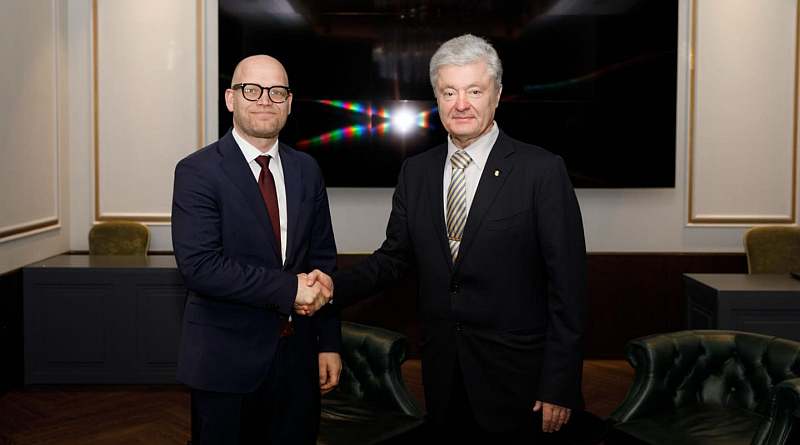
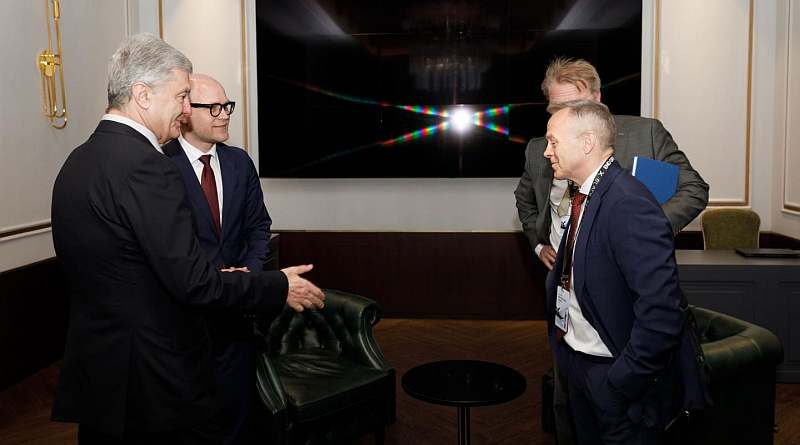
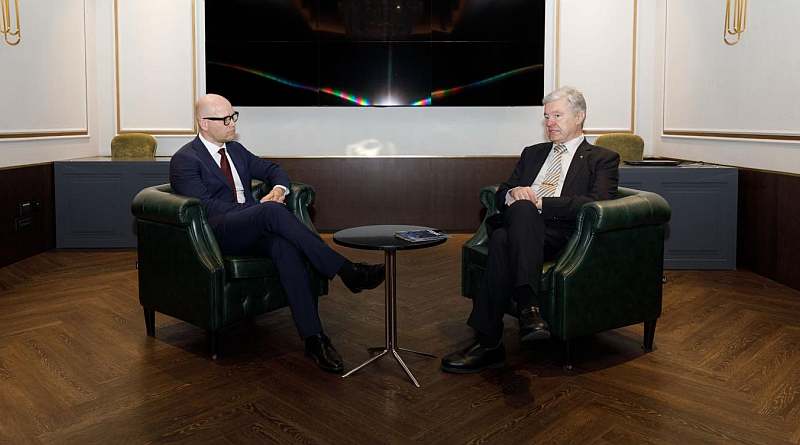
Good meeting with Andreas Flom, State Secretary of the Minister of Defense of Norway.
We discussed the situation on the front line and the needs of the Armed Forces of Ukraine. Emphasized the importance of further investments in the Ukrainian defense industry, which today is one of the key elements of our resilience and defense capability.
Particular attention was paid to changes in the nature of modern warfare. Noted the increasing role of unmanned systems and new technologies. I am convinced that alongside traditional diplomacy, an important tool for compelling the aggressor to ceasefire is “drone diplomacy,” primarily the ability to inflict tangible losses on the enemy, limit its offensive potential, and create incentives for seeking political solutions.
Thanked the government of Norway for their consistent support of Ukraine, significant contribution to strengthening our defense capabilities, and solidarity with the Ukrainian people in the fight against Russian aggression.
 |
 |
 |
 |
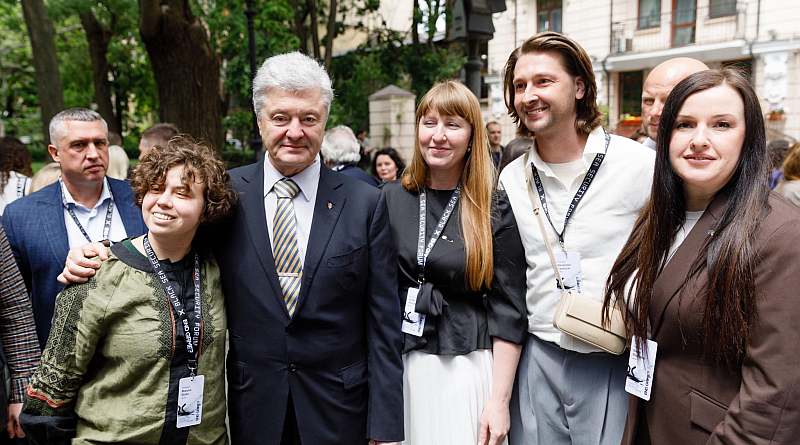
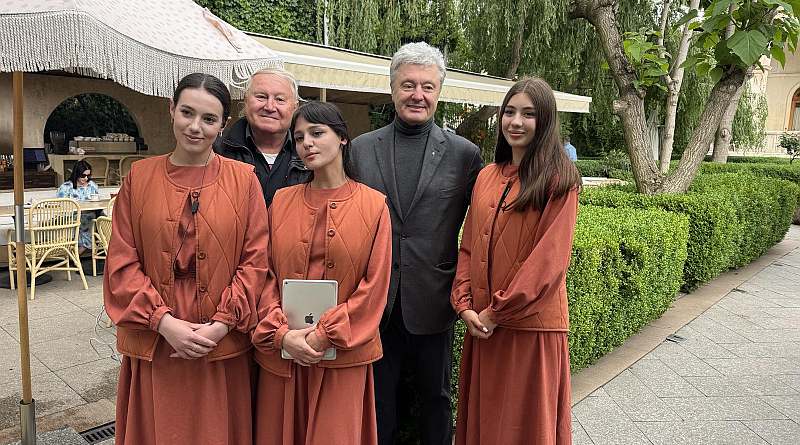
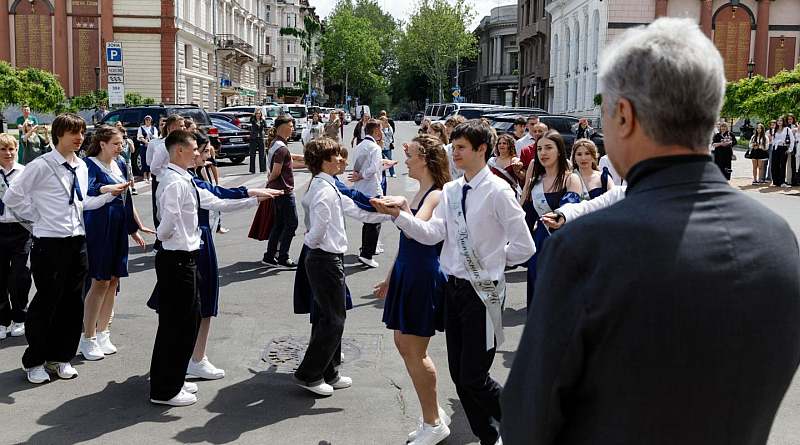
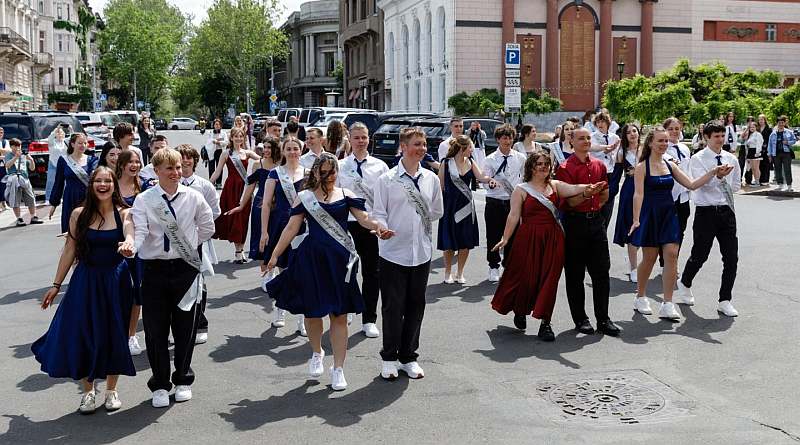
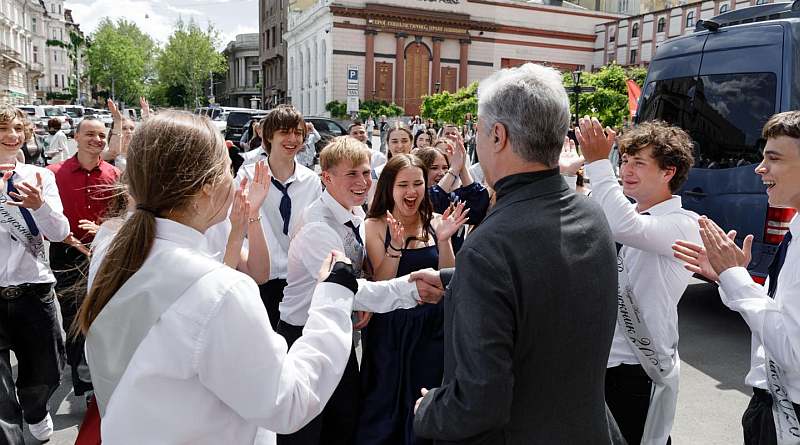
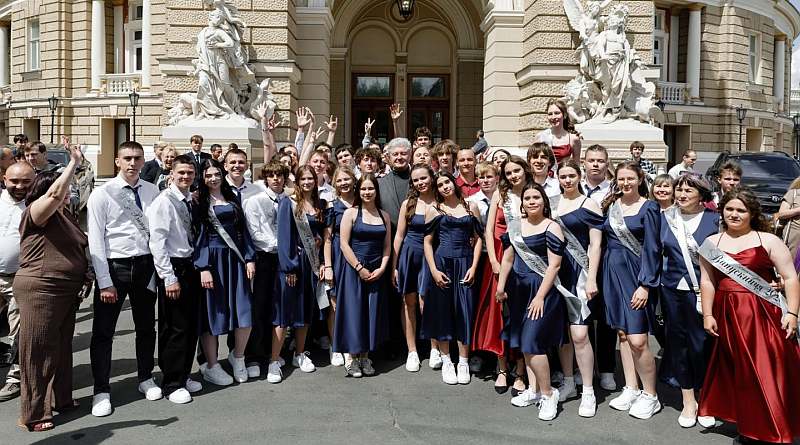
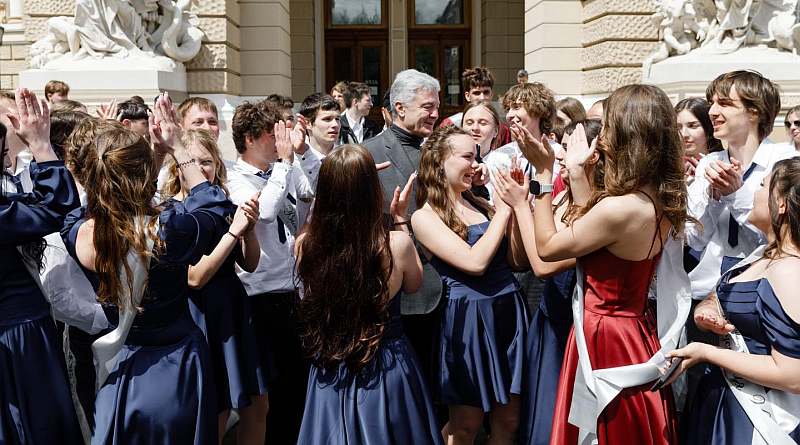
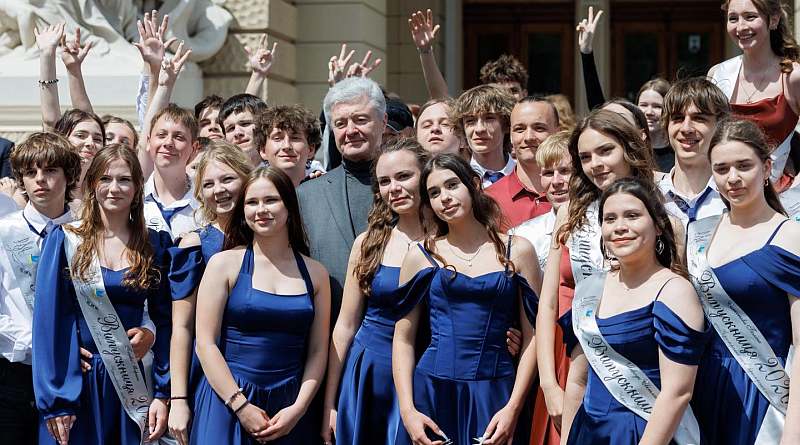
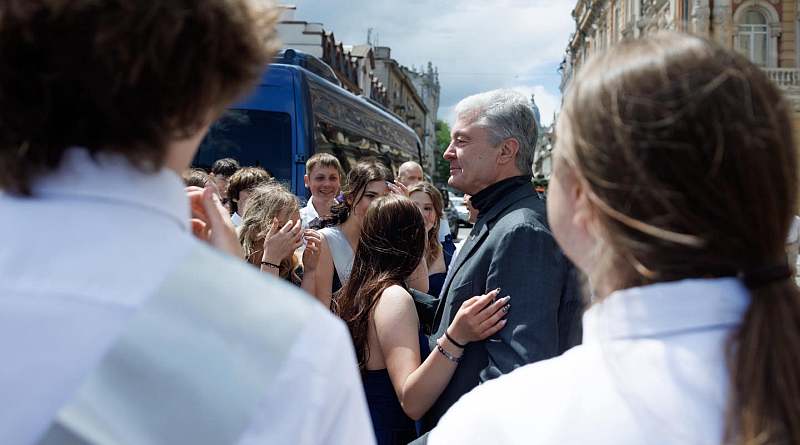
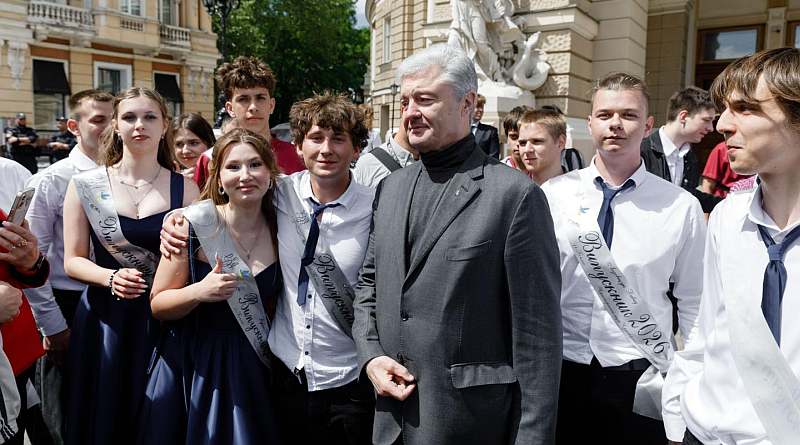
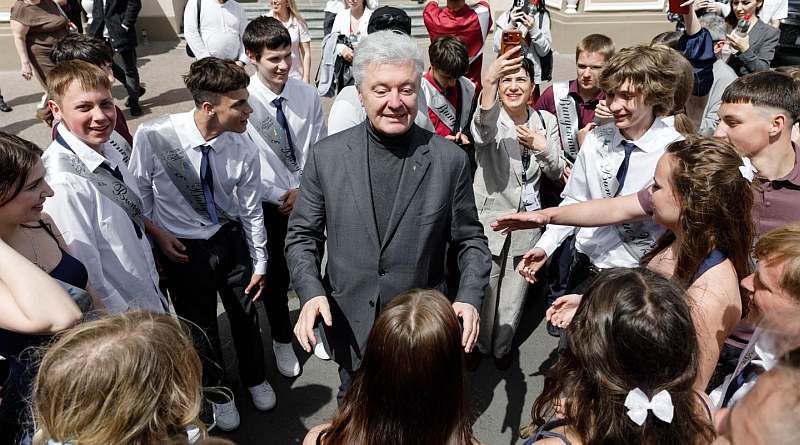
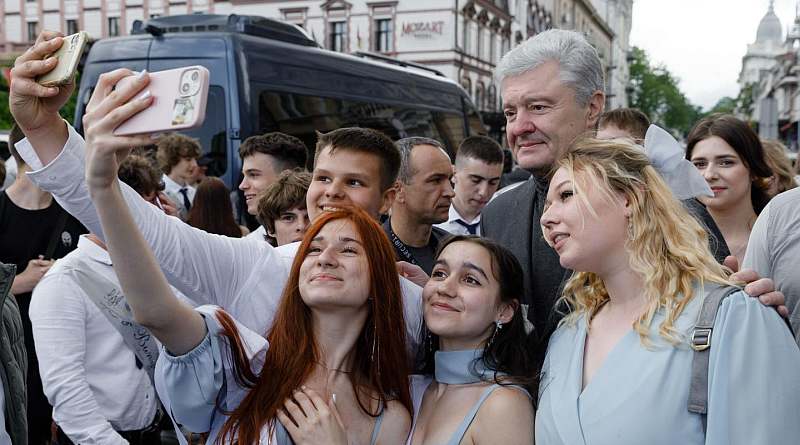
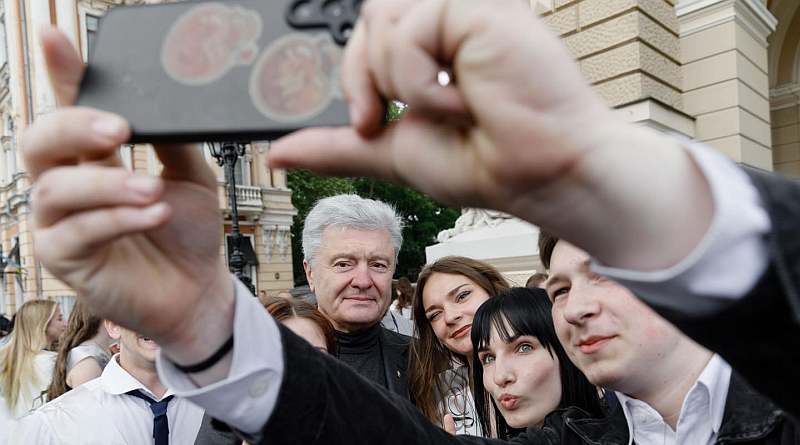
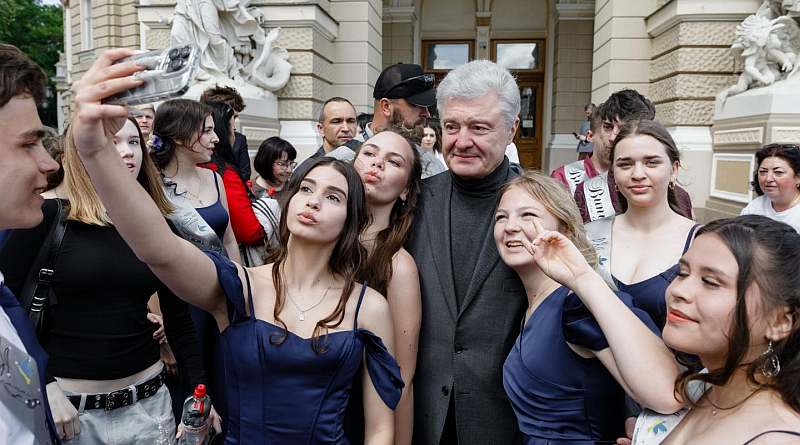
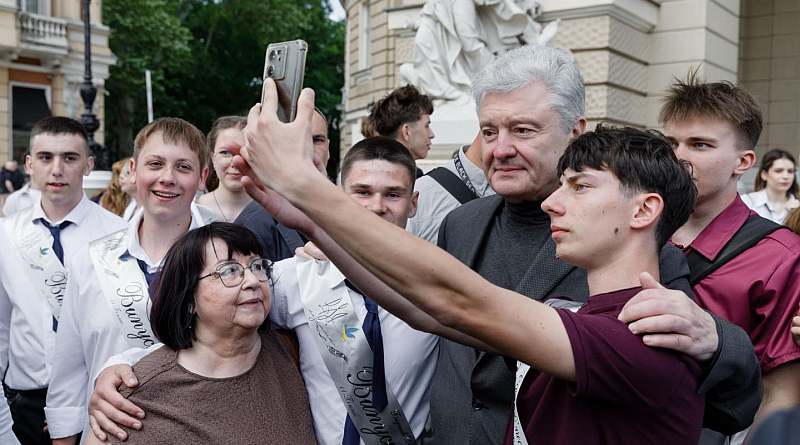
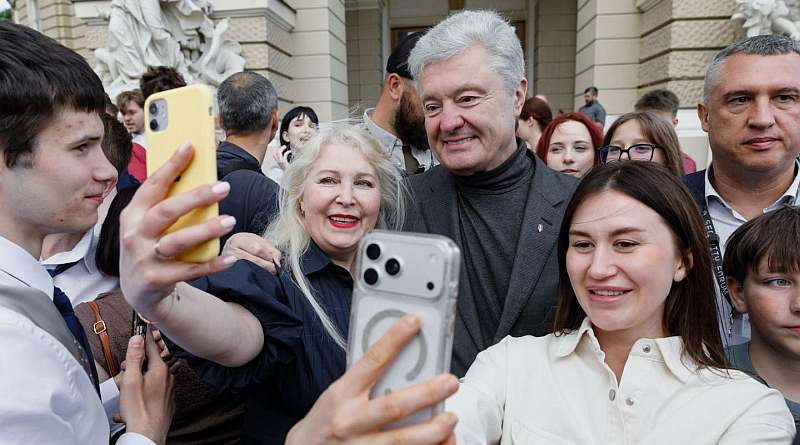
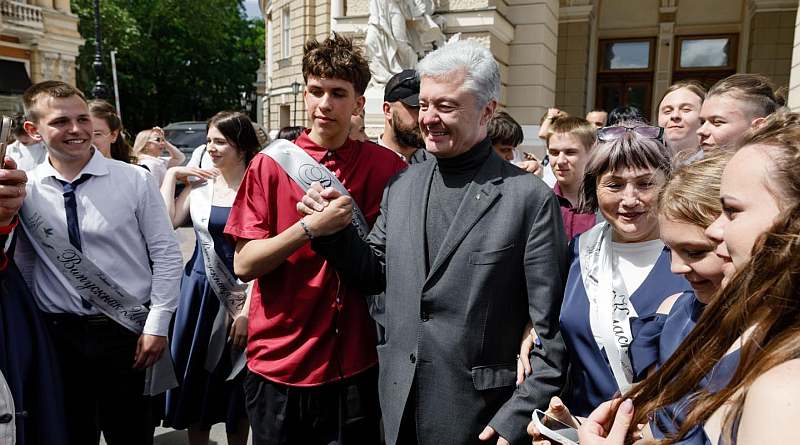
It’s touching to watch this year’s graduates dance their last school waltz.
I was happy to embrace and congratulate them on the beginning of their adult life. We talked, laughed, and took photos for memory.
Their generation is growing up to the sound of sirens. Yet they still dance, laugh, dream, and fall in love. This is the Ukraine we defend.
I dream that young people have confidence in tomorrow. That they build their lives here — at home. So they don’t have to choose between a dream and their country.
+1 happy and young Ukrainian family! Happiness to the newlyweds!
* * *
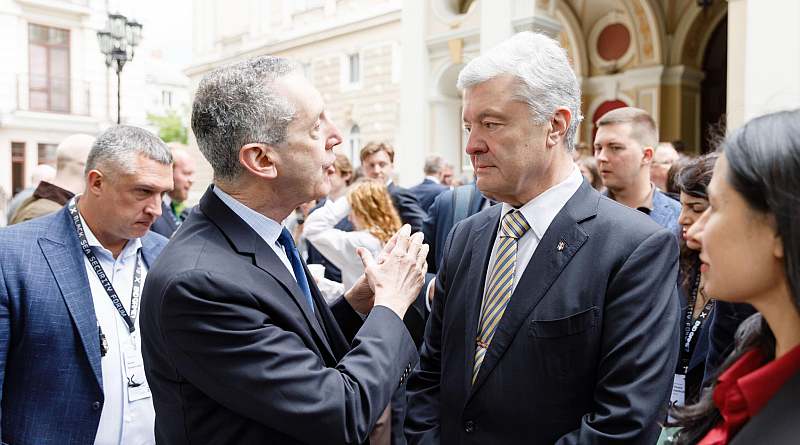
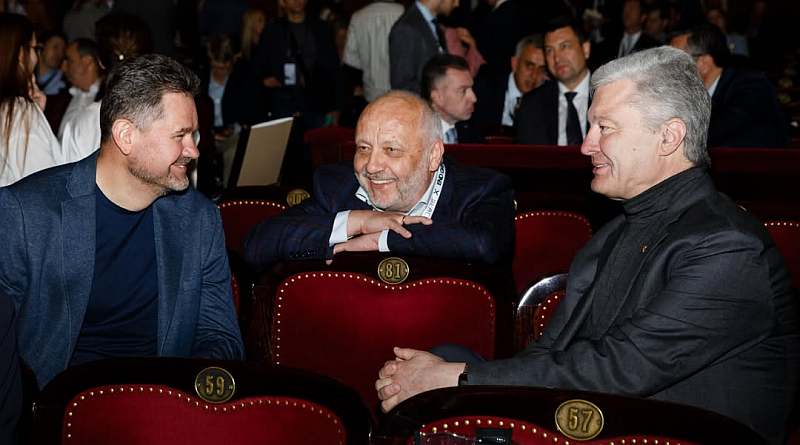
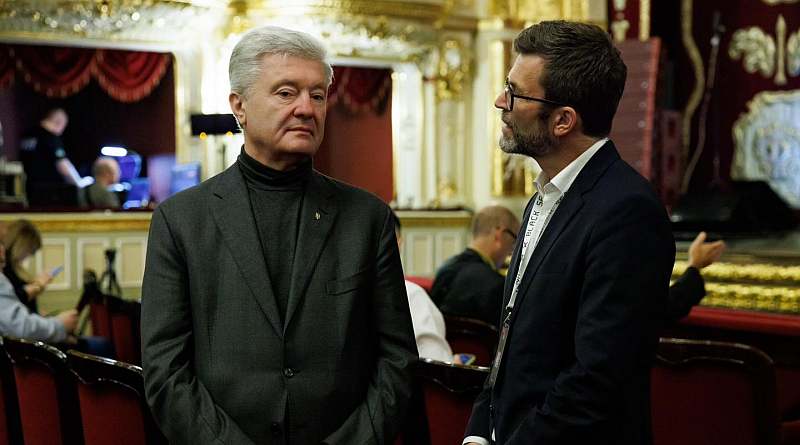
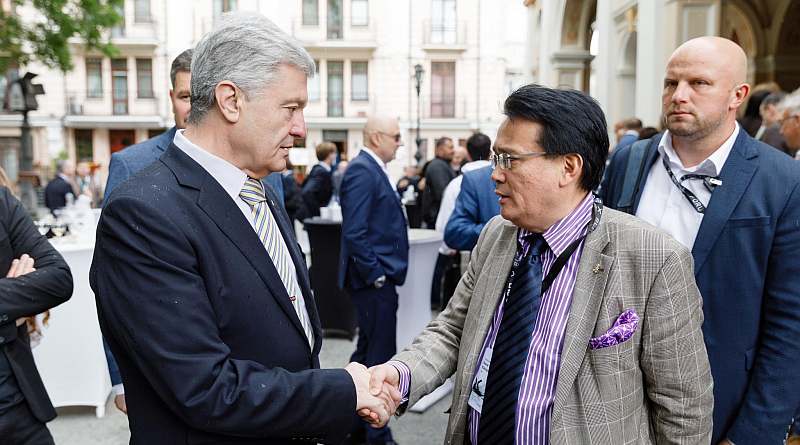
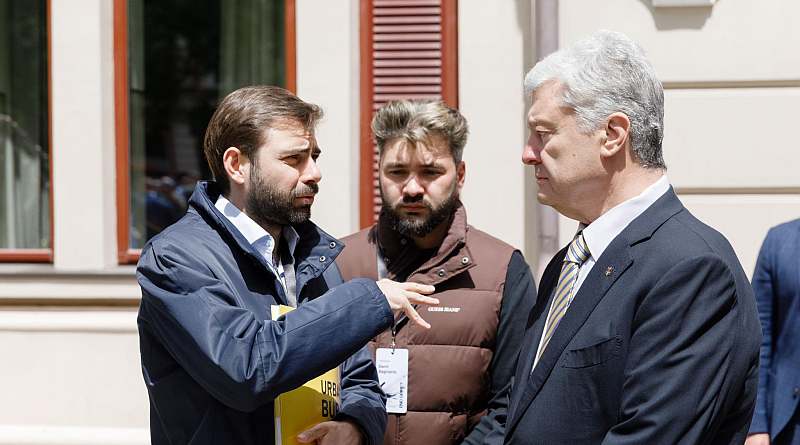
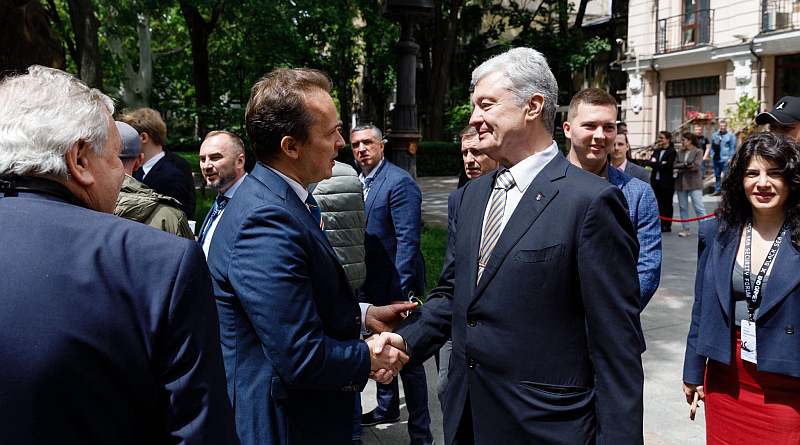
People from all over the world came to the Black Sea Security Forum: current and former ministers, special representatives, senators, members of the European Parliament, government officials, heads of influential foundations, experts, and diplomats. And for all these days we talked about one thing — about the security of Ukraine and the security of Europe, which can no longer be built without Ukraine.
I’ll say it straight: it’s critically important for us to have such platforms. Where you can look a person in the eye and explain what each day of this war costs us — and what it will cost the world if Russia is not stopped.
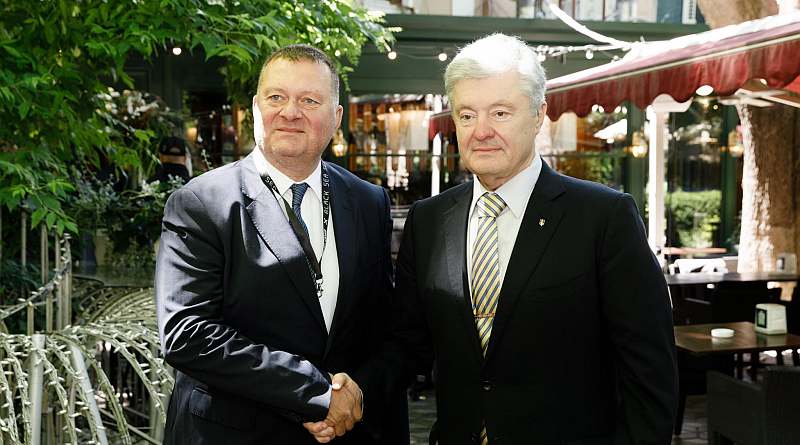
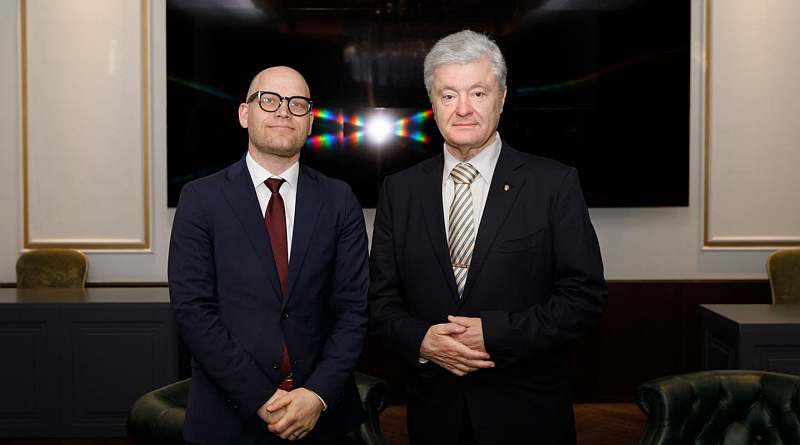
And I’m glad that so many conversations took place over these days. With Annegret Kramp-Karrenbauer, we talked about the needs of the Defense Forces and why Ukraine’s movement towards full membership in the European Union is the best guarantee of our security. With Kurt Volker — about how any diplomacy should rely on strength, not illusions. With Michael Gahler — about specific reforms without which the doors to the EU will not open on their own. With German Ambassador to Ukraine Heiko Thoms regarding Chancellor Friedrich Merz’s initiative on Ukraine’s membership in the EU.
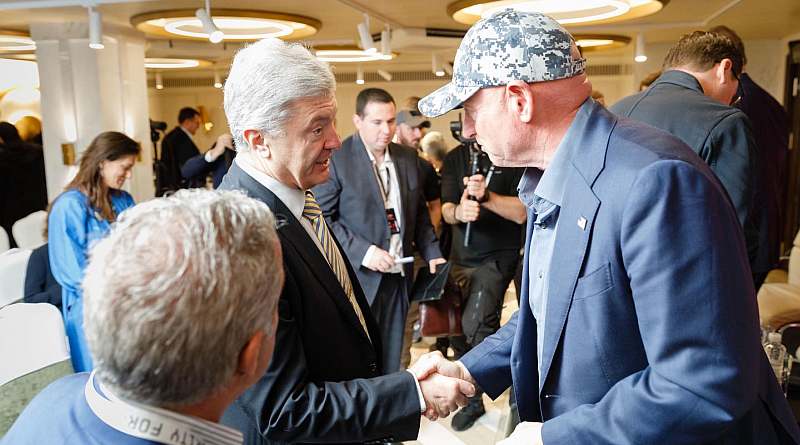
Separately — a conversation with U.S. Senator Mark Kelly. We talked about the simple formula — not a peace plan with 28 points, but one decision: comprehensive, unconditional ceasefire. First and foremost from Russia. The senator supported this position. He also noted that Ukraine has learned to fight one of the largest armies in the world in a new way, and allies have something to learn from it.
Because we really have invented something new. Alongside conventional diplomacy, Ukraine has created the diplomacy of drones. And it is our drones that have ended the era of Russian tanks.
We need the strength without which no one will bring Putin to the negotiating table. Peace is needed not only by us, but by the whole world. This peace should be on Ukraine’s terms, without “anything in exchange for silence.”