
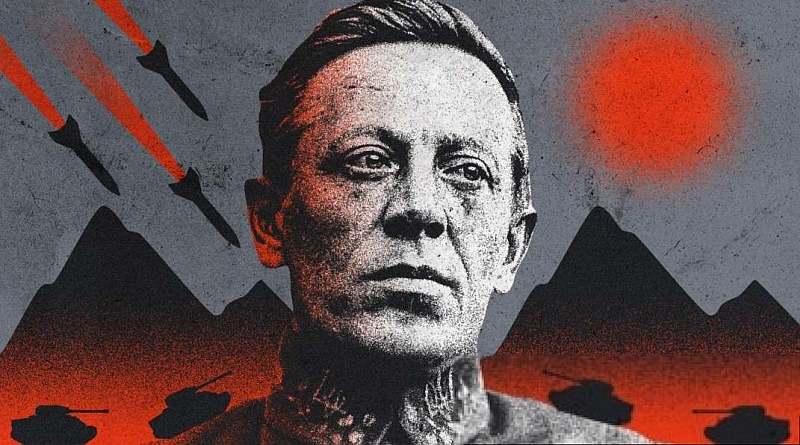
Rostyslav Khotyn / Radio Liberty
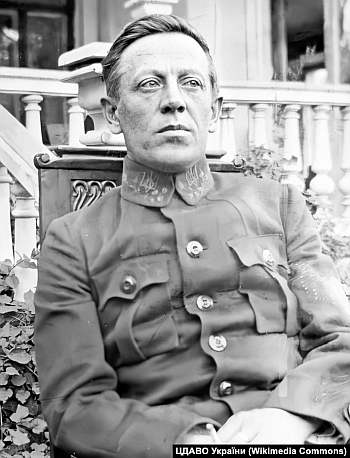
100 years have passed since the tragic death of Symon Petlyura. He was one of the creators of the Ukrainian People’s Republic, head of the Directorate of the Ukrainian People’s Republic, and the chief commander of the Ukrainian People’s Army.
Historians note that, over time, it becomes clear that Symon Petlyura was evidently the first Ukrainian independence fighter whom Moscow killed abroad. But how is Petlyura’s legacy relevant today during the Russian-Ukrainian war? Let’s figure this out.
A Suspicious Call
On May 25, 1926, at 14:15, in Paris on Rue Racine, Symon Petlyura was killed by a bullet from the probable Bolshevik agent Samuel Schwarzbard. A total of seven bullets were fired. The fatal bullet was the fifth one, which hit the victim’s chest, piercing the lungs and heart, causing a massive blood loss… When the murderer was , he was fined one dollar for staining the Parisian pavement with blood.
Before Petlyura’s assassination, according to historical testimonies, Schwarzbard received a phone call, quickly gathered himself, and left his residence with a pistol.
At the trial, Schwarzbard accused Petlyura of Jewish pogroms, although Petlyura could not be held responsible for the chaos in Ukraine at the time, where the Ukrainian People’s Army, White Guards, and Bolsheviks were fighting, researchers say. Petlyura himself condemned Jewish pogroms and even advocated for the creation of an independent state of Israel.
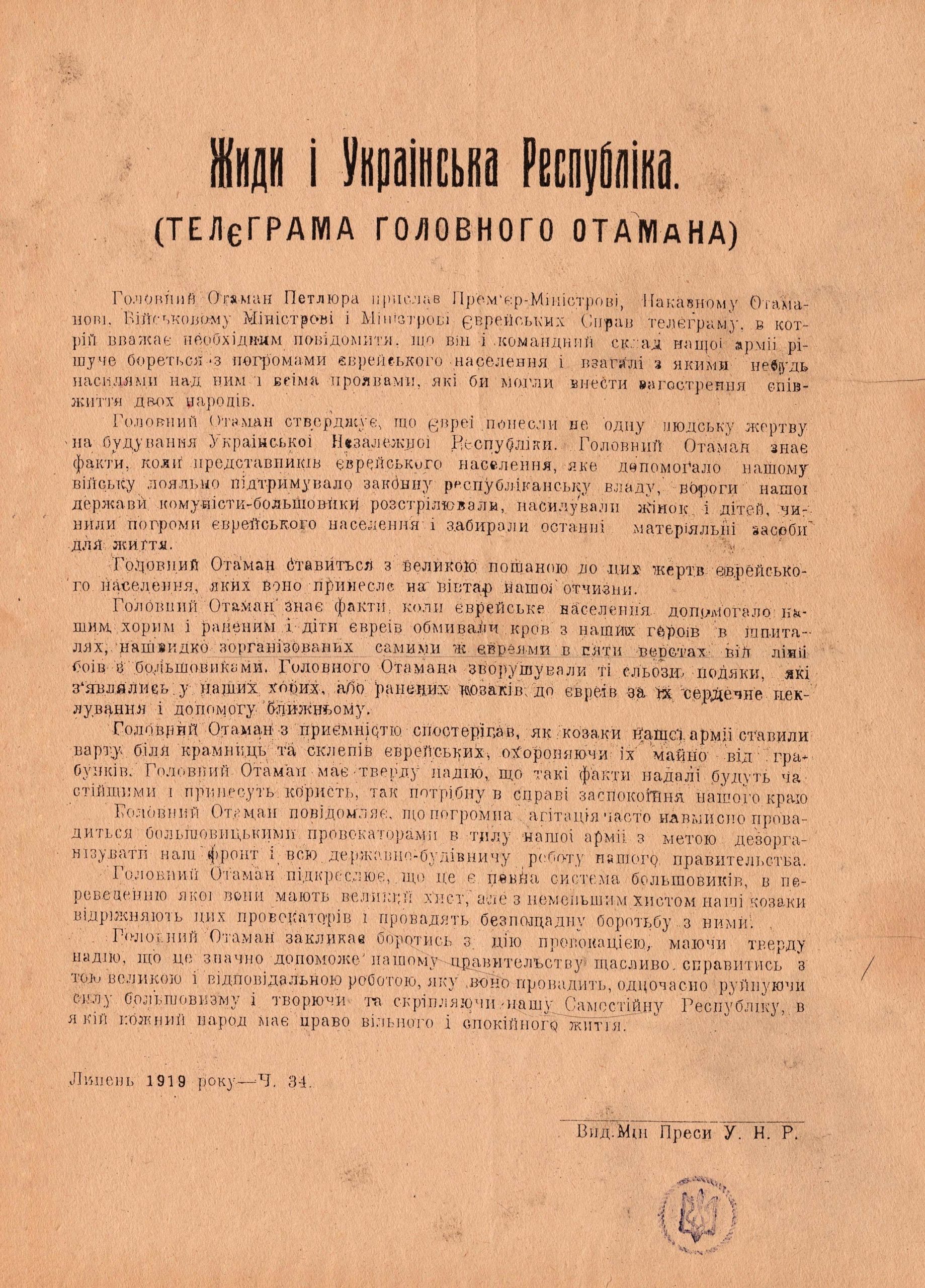
Petliura, incidentally, punished some commanders for the pogroms – it could be criticized that he did not always act swiftly, but those were difficult times. As they used to say about Petliura’s Directory: “In the wagon is the Directory, under the wagon – the territory.” That is, it was hard to control the situation in those turbulent times when power was constantly changing and territorial control was narrowing.
An important point: in 1927, the murderer was defended by lawyer Henri Torres, a member of the Communist Party of France and consul of Bolshevik Russia in France. According to witnesses, Sholem Schwarzbard could have received orders to kill Petliura from the USSR ambassador to France, Christian Rakovsky.
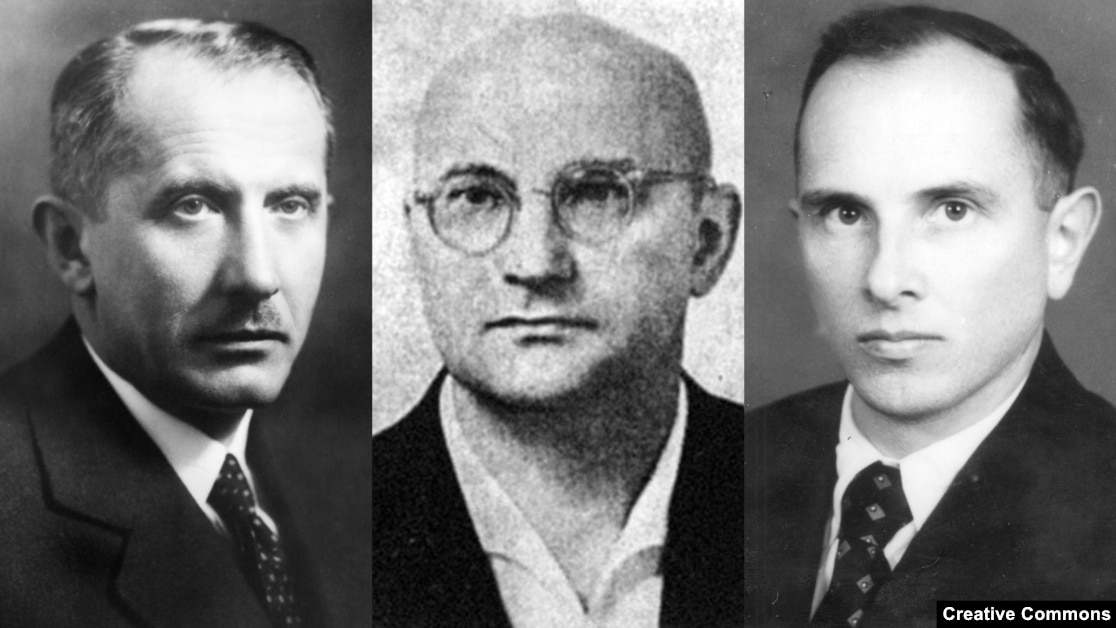
In such cases, one must consider the historical perspective: “Who benefits?” The murder was clearly beneficial to Red Moscow, and Petliura was the first, historians say, that Soviet bodies killed abroad. Following him were Yevhen Konovalets (1938, Rotterdam), Lev Rebet (1957, Munich), and Stepan Bandera (1959, Munich)…
Of Cossack Descent
Symon Vasylovych Petliura (1879–1926) was born in the suburb of Poltava into a family of middle-class Cossack descent.
From an early age, he was passionate about history, singing, playing the violin, and literature. He sang beautifully himself. The young man’s worldview was shaped by the influence of Shevchenko’s “Kobzar”, the works of Ivan Kotliarevsky, and historical literature.
These were the times of the Russian Empire, and Symon was expelled from the Poltava Theological Seminary for his revolutionary and “Mazepa-like” spirit – for participating in organizing a performance at the seminary by composer Mykola Lysenko.
Petliura later moved to the Kuban, where Ukrainian Cossack traditions were alive, and there his worldview continued to develop. Petliura’s life also took him to St. Petersburg and Minsk.
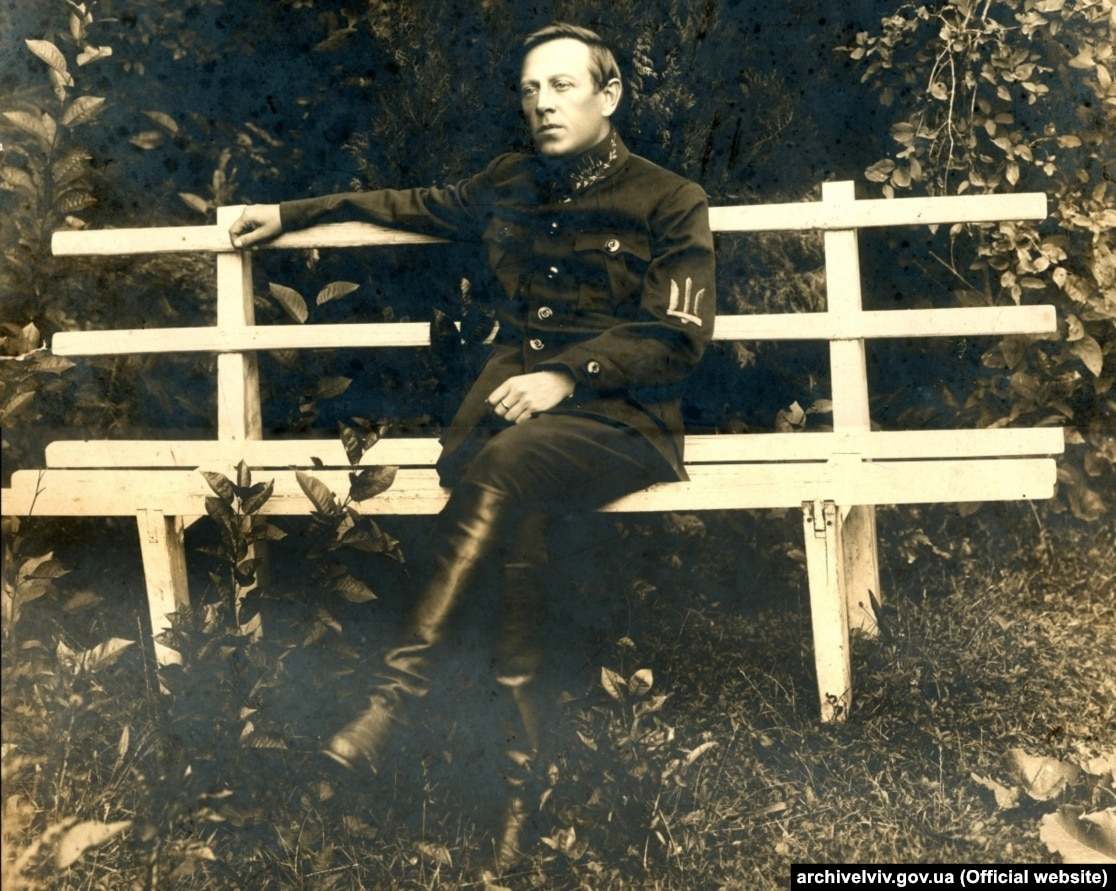
When the Ukrainian Revolution of 1917 began, Petliura joined the Central Rada and later took the position of General Secretary for Military Affairs. He boldly undertook his main task – the Ukrainization of the army – yet he faced strong opposition from the pacifist-leaning Volodymyr Vynnychenko and Mykhailo Hrushevskyi. History later judged them: Petliura was right, but it was too late.
Petliura parted ways with the UNR figures but also found no common ground and was in opposition to the Hetmanate of Pavlo Skoropadskyi. In the fall of 1918, Petliura raised an uprising against Hetman Skoropadskyi when it became clear that Germany, which supported the hetman, was losing and withdrawing its troops from Ukraine.
As the Chief Otaman, Petliura led the Directory of the Ukrainian People’s Republic and was the Ukrainian leader until the defeat of the liberation efforts in 1921.
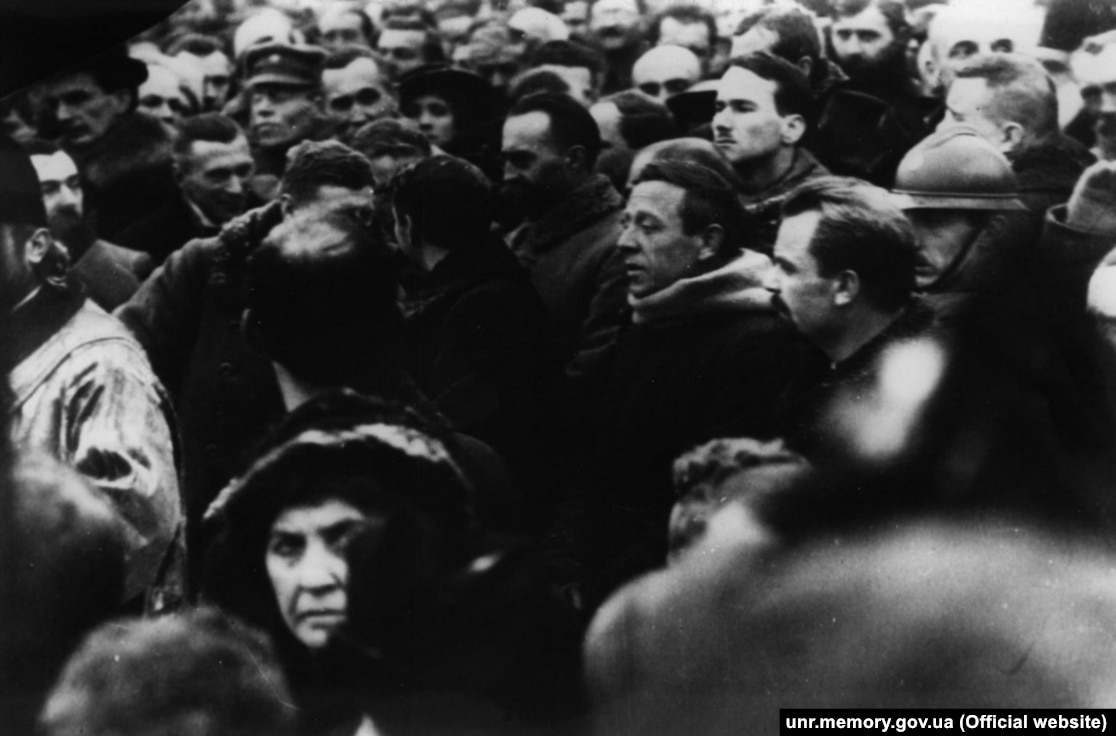
Under Petliura’s leadership on January 22, 1919, the Directory’s proclamation of the unification of the Ukrainian People’s Republic and the Western Ukrainian People’s Republic into a single state was solemnly announced.
Thus, Petliura contributed to Ukrainian unity. This is one of his contributions to the history of Ukraine.
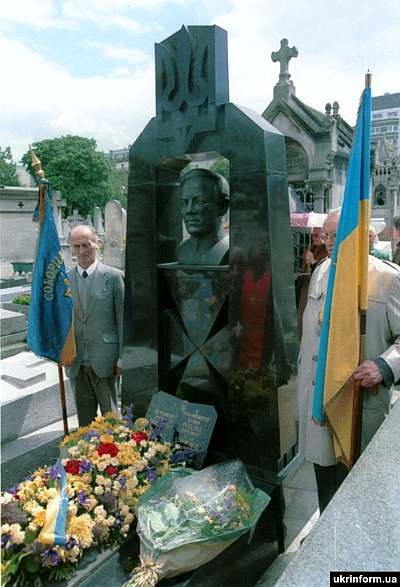
“This struggle, led by Symon Petliura, who defended the need for the fight for independence, created a Ukrainian political nation that became a subject of world politics. Before that, by and large, we were a large ethnographic mass that was just beginning to talk about the possibility of statehood before 1917.
And after 1921, despite the defeat, the Ukrainian issue, the issue of the Ukrainian state became a factor in European and world politics,” says Volodymyr Tylishchak, Deputy Head of the Ukrainian National Institute of Memory (UINP).
“The figure of Symon Petliura, even during his lifetime, became a symbol. A symbol of the struggle for statehood, for independence,” adds the historian.
Why is he relevant today?
Symon Petliura is relevant today because – unlike other figures of the Ukrainian Revolution of 1917–1921 – he understood the importance of the army and weapons, historians note.
“Let’s not forget the sword. Let’s learn to hold it more firmly in our hands” – this is a famous phrase of Symon Petliura, who was the Minister of Military Affairs of the Ukrainian People’s Republic until a break occurred with Hrushevsky and Vynnychenko.
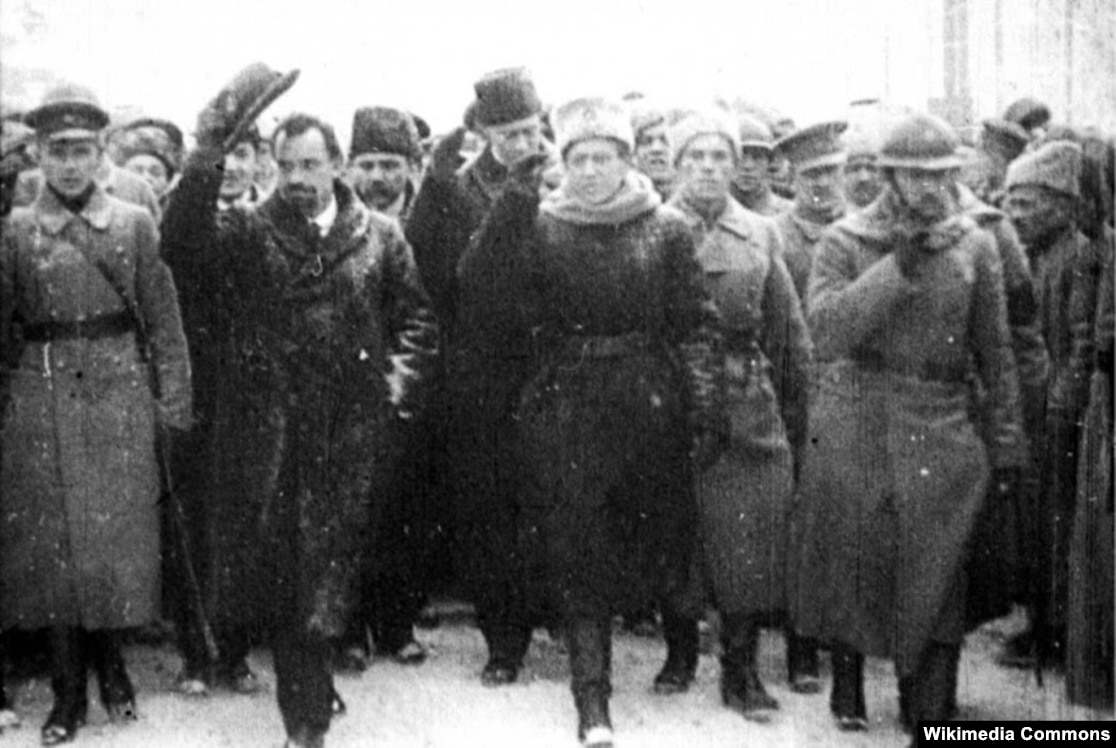
When in January 1918 a rebellion broke out at the “Arsenal” factory in Kyiv against the Central Council, instigated by the Bolsheviks, it was suppressed by Petliura’s Haidamaka regiment of Sloboda Ukraine, which opposed the Reds.
“No one would better support the thesis than Symon Vasylovych that every hryvnia should now go to rifles or machine guns. Well, that’s the weapon of his times. The weapon of our times is our Ukrainian drones and Ukrainian missiles, and other weapons that help protect Ukraine from the same enemies that Symon Petliura fought,” says Mykyta Poturayev, head of the Verkhovna Rada of Ukraine Committee on Humanitarian Policy.
Moreover, Petliura’s legacy is important because he saw Ukraine in a European political context.
“I saw that Ukrainian parties… did not realize the main thing: should Ukraine, as an independent state, rely on Europe or on Moscow-Asia in foreign policy? It turned out that the Asian heritage in us is still too strong… We had to rely on Europe, which, by the way, did not know or understand us, while simultaneously creating our own strength. The sooner our people crystallize a sense of independence from Moscow, the sooner we will have an independent Ukraine,” Petliura wrote in one of his letters in 1922 while already in exile.
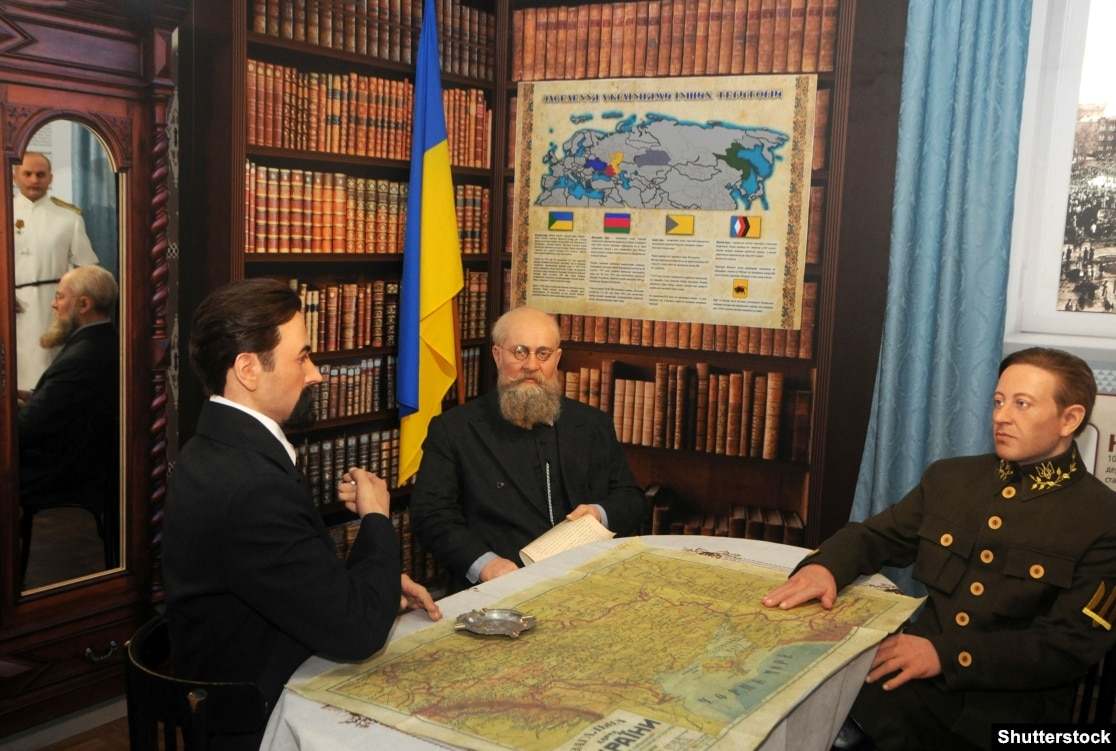
Similarly, in a cultural sense, Petliura saw Ukraine in a broader European cultural context.
Here, it is worth mentioning Petlyura’s initiative to send Oleksandr Koshyts‘s choir, which performed Ukrainian works, from Europe to Carnegie Hall in New York, where the program included “Shchedryk” by Mykola Leontovych, which is now the most famous carol in the English-speaking world.
Koshyts recalled how after a concert in Kyiv, Petlyura invited him for an audience and said: “In a week, have the choir organized for an overseas trip, or I’ll have you shot!” He said this while laughing.
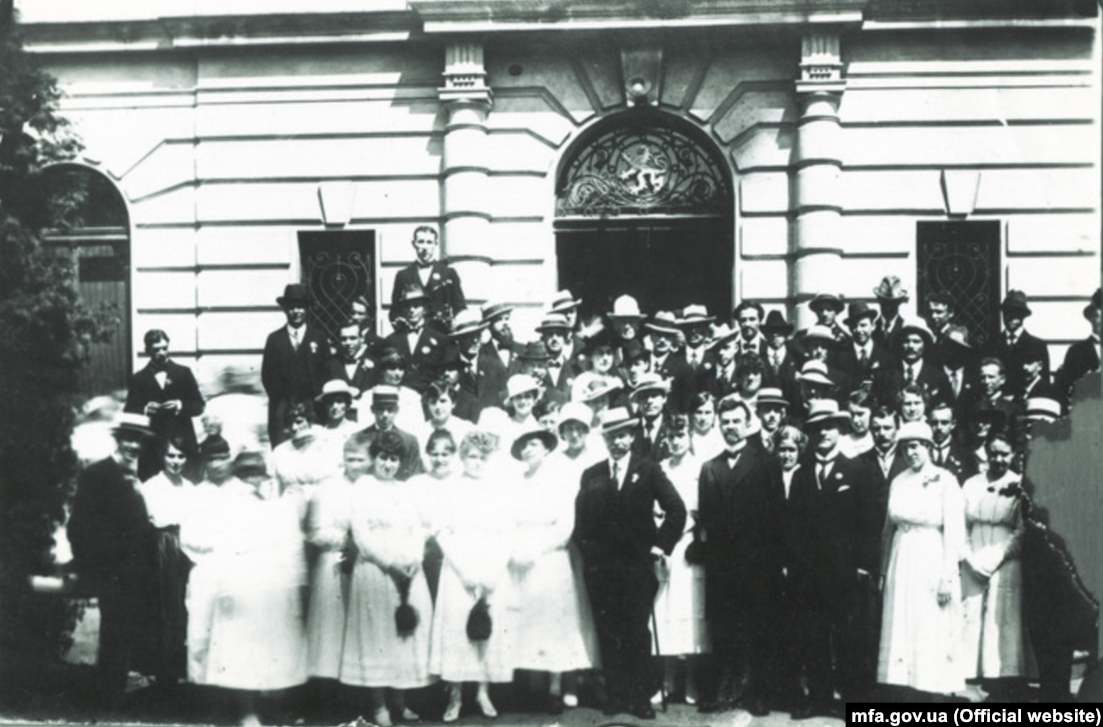
Despite the difficult situation on the fronts, Petlyura understood the importance of Ukrainian cultural diplomacy in the world. The fact that every Christmas in December the Carol of the Bells is heard around the world is thanks to Leontovych, Koshyts, but also to Petlyura, who sent the Ukrainian choir to Prague, Paris, New York, and other cities.
Alliance with Poland
From its inception in November 1918, the Directorate’s troops fought against the Bolsheviks.
Petlyura managed to reclaim Kyiv twice—initially in alliance with the Western Ukrainian Republic (WUNR) and later in disagreement with it.
In the second year of the Directorate’s existence, when the front situation was extremely difficult, Petlyura concluded a treaty with the leader of the restored Poland, Józef Piłsudski.
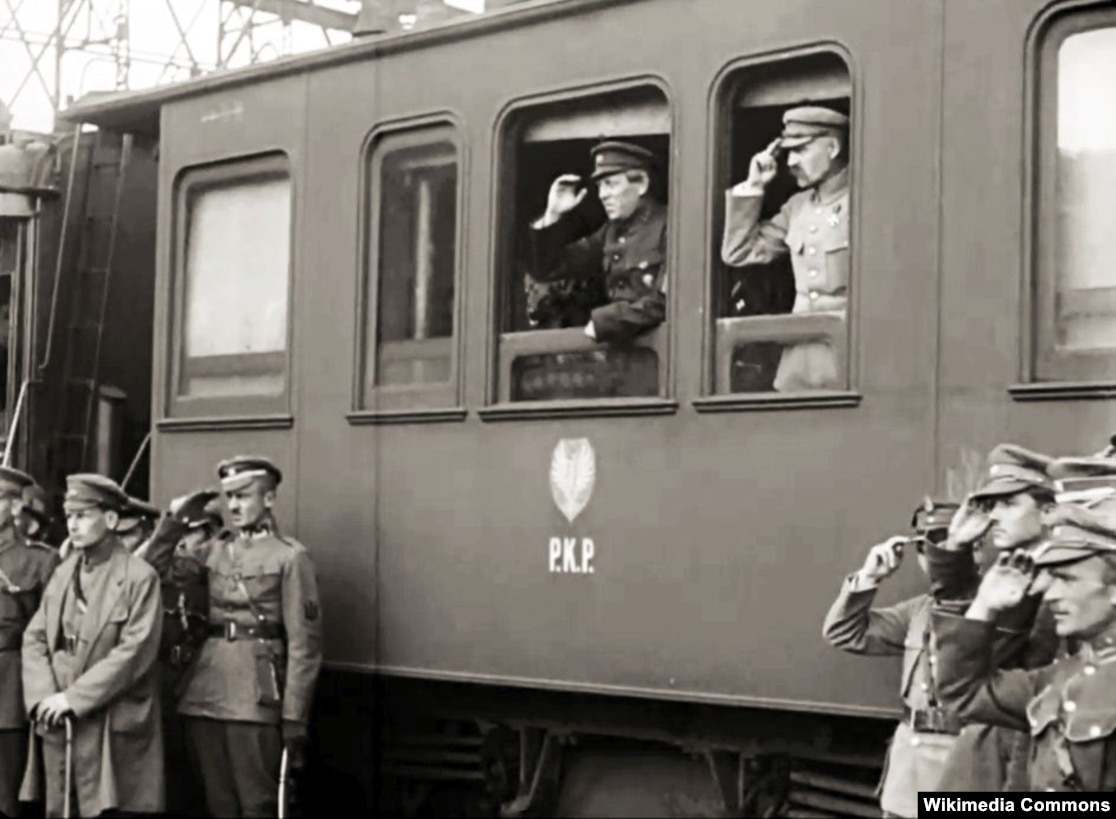
According to the terms of the agreement, Eastern Galicia was transferred to Poland, but Poland renounced the desire to reach the borders of the Polish-Lithuanian Commonwealth and recognized the Ukrainian People’s Republic. It also fought alongside Ukrainian troops in the struggle against the Bolsheviks.
This moment—the renunciation of Eastern Galicia, predominantly inhabited by ethnic Ukrainians, including Lviv—was not forgiven by many Galicians, and even now there might be historical “claims” against Petliura in this regard.
“He simply had no options. The only possible ally was Poland. Other Entente countries did not recognize an independent Ukrainian state, as their priority remained “White” Russia. Thus, choosing Poland was primarily Petliura’s forced decision in the deadlock fate pushed him into,” says history professor Bohdan Hud in an interview with Radio Liberty.
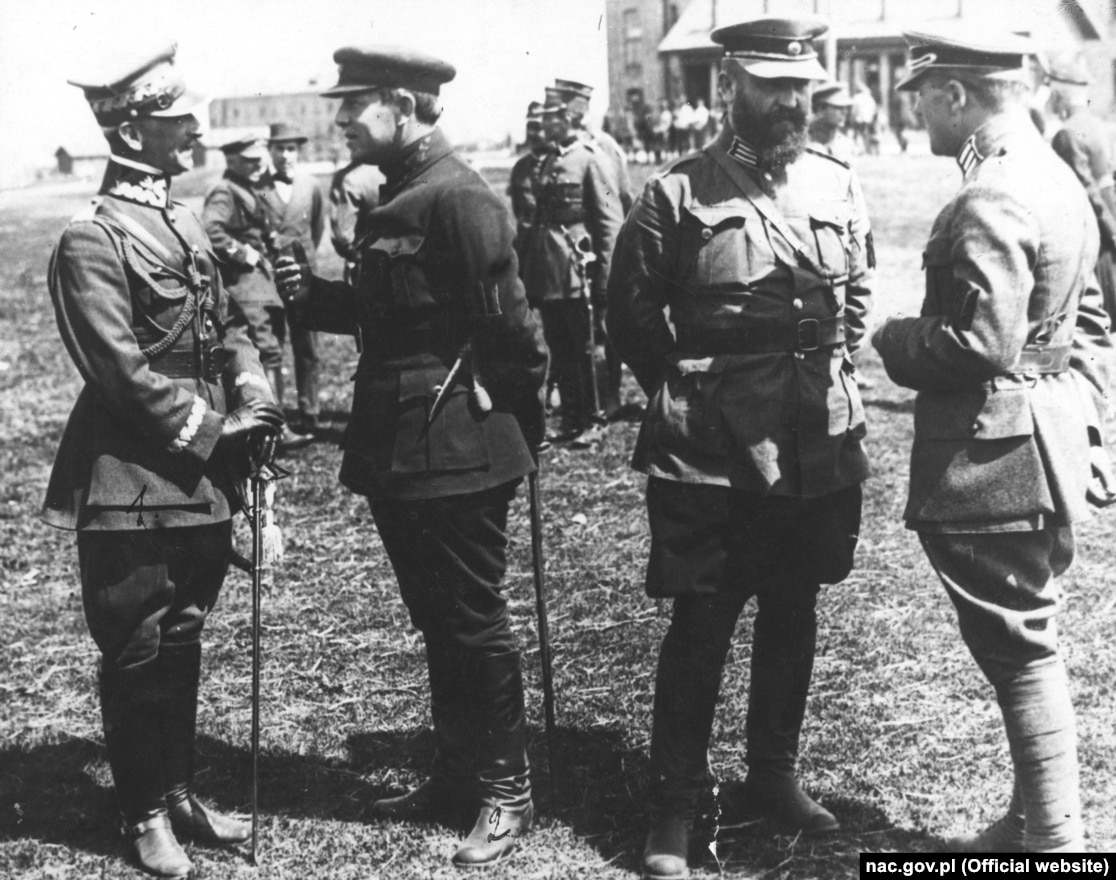
The historian describes the Petliura-Piłsudski alliance as “unequal but the only possible”.
“Internally, Poland (even ‘glued’ from three parts – Austrian, Russian, and Prussian) was significantly stronger than the UNR. The presence of political and military elites, a fairly numerous nobility which became the basis of the revived Polish army, contributed to the Poles being able to mobilize an army of several hundred thousand against the Bolsheviks. At that time, the Active Army of the UNR numbered only 40-60 thousand bayonets and sabers,” explains historian Huliy.
Another problem, he believes, is Ukrainian socialism. “Pilsudski, however, was also a socialist. But he ‘jumped out’ of the red tram at the ‘Independence’ stop. So they say about him. Petliura did this too, but many of his surroundings were socialists,” adds Bohdan Huliy.
No Monument
During the Russian Empire, all Ukrainian patriots were called ‘Mazepyntsi’, after the UNR they began to be called ‘Petliurivtsi’, and after World War II – ‘Banderovtsi’.
Someone noticed that in Soviet Ukraine there were many people with the last name ‘Mazepa,’ despite the negative image imposed on the hetman by Russian and later Soviet propaganda.
But there were practically no people with the last name ‘Petliura.’ It was said that evidently, out of fear, people with that surname tried to change it to avoid falling into the category of ‘enemies of the people,’ the dangerous to Soviet power ‘Petliurivtsi.’ Or perhaps many Petliuras were simply repressed in the USSR?
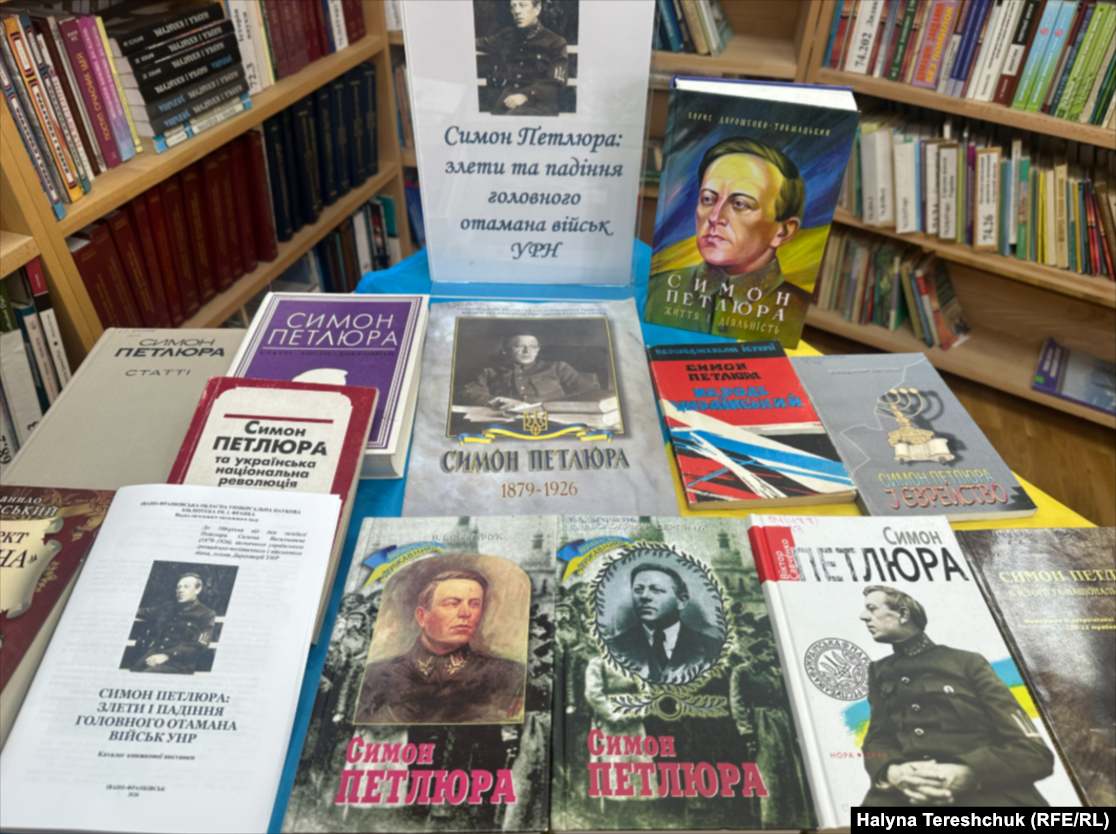
Symon Petliura himself was either silenced or mentioned in an extremely hostile tone during Soviet times. As Volodymyr Tylishchak says, “Unfortunately, people in Ukraine do not know this figure well enough.”
How can we not recall that at one event dedicated to the memorialization of Symon Petliura, one of Ukraine’s leading museum professionals kept referring to the ataman as “Semen” Petliura…
The saga of erecting a monument to Symon Petliura in his native Poltava has been dragging on for several years. There is already a project (since 2021!), and a budget, but still no monument. They even conceptually considered the image of Poltava as the “city of Petliura.”
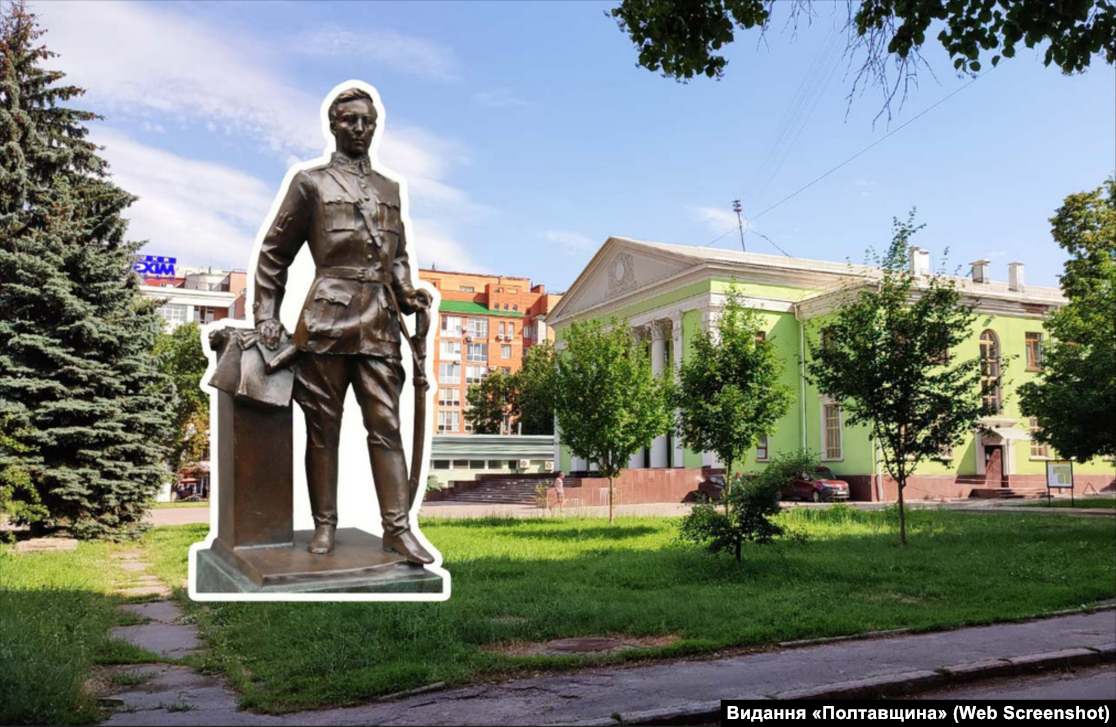
The installation of the Petliura monument in Poltava is estimated at eight million hryvnias (less than 200 thousand dollars) – however, the matter has not moved forward, researchers note.
“This is indeed a painful topic. We have fought for a long time to have these things realized in Poltava. I really hope this will happen, and we will continue to fight to have it realized by the end of 2026,” says Mykyta Poturaiev. “This is not a lot of money. You can’t even buy or make many drones with it. This is not a lot of money, and it will be found.”
“There is an appropriate decision, which means this process must be completed,” said the director of the Ukrainian Institute of National Memory, historian Oleksandr Alferov, recently to representatives of the Poltava city and regional authorities, emphasizing that this year the future monument’s place should be at least marked with a commemorative stone.
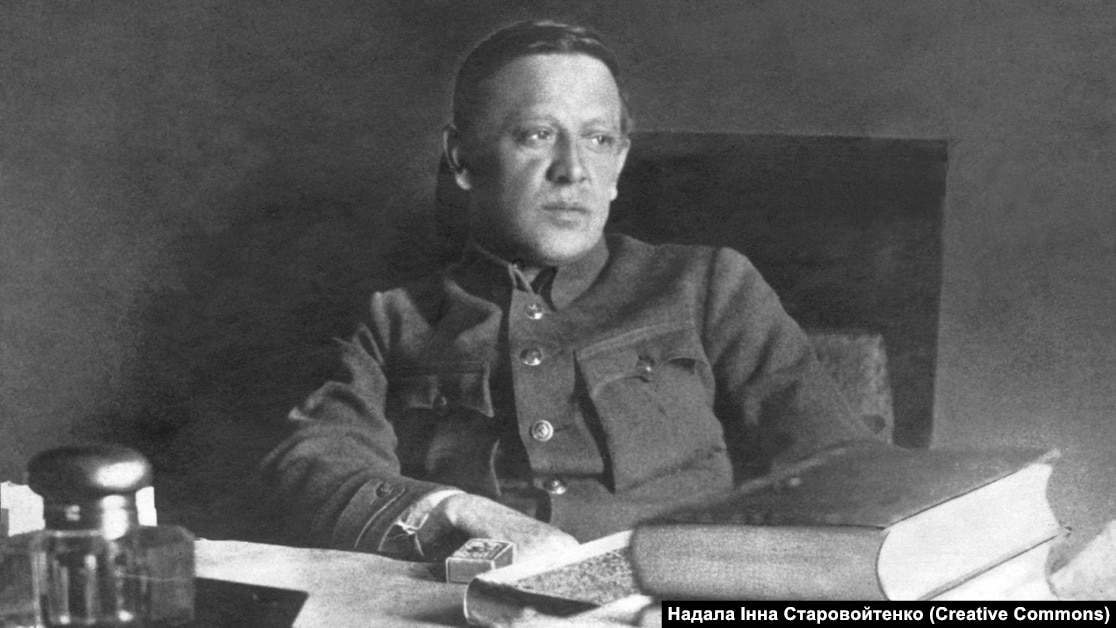
Petliura saw Ukraine and Ukrainian culture in a European context and opposed excessive focus on localism — the “dumpling patriotism,” as he called it. Ironically, a monument to dumplings was unveiled in Poltava 20 years ago, but not to Petliura.
But even in Kyiv, as in Poltava, there is still no monument to Petliura.
“There should be a monument to Symon Petliura in Kyiv as well. Unfortunately, we don’t have this yet. For many years now, an annotation plaque has been hanging on the Central Rada building, stating that there should be a monument to Petliura, but there isn’t one. For many years there has been talk of a monument to Petliura in the place of Shchor (the dismantled monument to Mykola Shchor – ed.). Such figures should be honored. Just like Pavlo Skoropadskyi. In my opinion, a monument to him should also be in Kyiv,” historian and video blogger Vladlen Maraiev said in an interview with Radio Svoboda.
Currently, Ukraine is relocating or planning to relocate the remains of several independence figures resting abroad. Apparently, there will be a time to address the possibility of relocating the remains of Symon Petliura — reburial in the future Pantheon of Heroes.
Shortly before his death in 1926, Symon Petliura wrote: “I believe and am certain that Ukraine as a state will exist. Perhaps not as great as we would like at first, but it will be. I think the path to Ukrainian Statehood lies through Kyiv, not Lviv. Only when Ukrainian Statehood is established on the hills of the Dnipro and near the Black Sea, only then can one realistically think of gathering Ukrainian lands seized by neighbors.”
Collage: Tetiana Kolesnichenko/Radio Svoboda
Copyright © 2021 RFE/RL, Inc. Republished with permission of Radio Free Europe/Radio Liberty
