
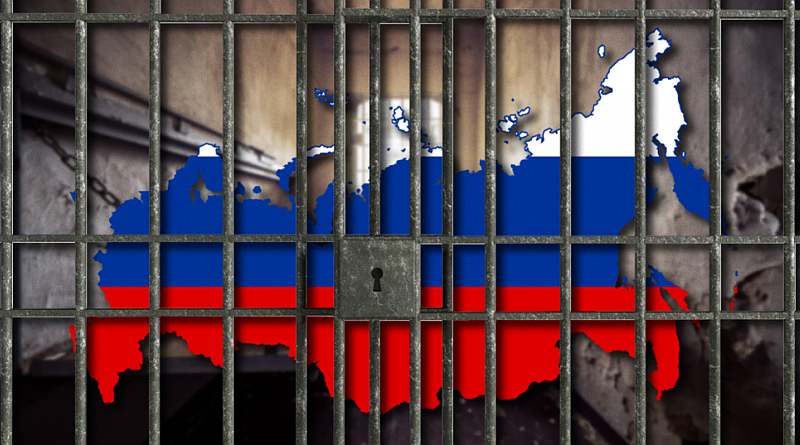

Information on current Russian losses due to sanctions as of 16.05.2026.
1. Ukrainian drones continue to systematically hit the Russian chemical industry.
– On the night of May 16, the “Nevinnomyssk Azot” plant in the Stavropol region, one of Russia’s largest producers of chemical products and components for explosives, was attacked. A fire broke out at the enterprise after the strike.
– The fire occurred in the large-scale ammonia production section, where there is a shop with primary reforming furnaces. Videos of a powerful fire in the plant area also appeared online.
– “Nevinnomyssk Azot” is a key enterprise in Russia’s chemical sector. The plant produces ammonia, urea, ammonium nitrate, melamine, and other chemicals, some of which are used in the production of explosives and to supply the Russian military-industrial complex.
– This is at least the sixth attack on the enterprise since the start of the full-scale war. Strikes on such objects demonstrate that not only refineries and fuel infrastructure but also the chemical industry, which is critically important for the functioning of the Russian military economy, are under pressure.
2. One of Russia’s largest oil refineries — “Kirishinefteorgsintez” (“KINEF”) in the Leningrad region — has not been able to resume operations even 10 days after the drone strike on May 5.
– The enterprise remains effectively paralyzed and does not ship products. The strike damaged key infrastructure of the plant: primary processing units, storage tanks, the oil pipeline, and the main passage.
– Recovery could take months. This concerns a strategic “Surgutneftegaz” facility with a capacity of about 20 million tons of oil per year, which is among the top three largest refineries in Russia. Such enterprises provide a significant portion of gasoline, diesel, and aviation fuel for the domestic market and export.
– At the plant, at least three large primary processing units were damaged — AVT-6, AVT-2, and AT-1, as well as some secondary units. In fact, “KINEF” has been operating intermittently since the end of March when the plant was first attacked by drones this year.
– After the previous strike, the enterprise only partially resumed operations, but a new attack on May 5 once again put it out of commission.
3. Ukraine is increasingly targeting the chemical industry, which remains critically important for Russian exports and budget.
– After a series of drone attacks, problems began for producers of mineral fertilizers and chemical products.
– A notable example is the holding company “Acron,” which reported a sharp deterioration in financial results by the end of the first quarter of 2026. The company’s net profit plummeted 5.4 times to 2.67 billion rubles.
– Revenue decreased by 22% to 51.9 billion rubles, and EBITDA fell 1.7 times. In winter, the group’s enterprises repeatedly came under attacks by Ukrainian drones. Notably, the “Dorogobuzh” chemical plant in the Smolensk region was hit, resulting in a large-scale fire and reported damages.
– Drones also attacked a mineral fertilizer plant in Veliky Novgorod.
4. Russia’s war economy began to decline for the first time since 2023.
– In the first quarter of 2026, Russia’s GDP decreased by 0.2% year-on-year, marking the first drop since the comprehensive restructuring of the economy to meet war needs.
– Despite Putin’s claims of “restoring” economic activity in March, the Russian authorities are increasingly struggling to hide accumulated problems. The Ministry of Economy has already lowered the growth forecast for 2026 from 1.3% to 0.4%, effectively acknowledging a sharp economic slowdown.
– Amid high rates, tax pressure, and enormous military spending, the Russian budget is rapidly losing stability. The federal budget deficit for the first four months of the year already exceeded the annual plan, even though the Kremlin is temporarily buoyed by high oil revenues due to the Middle East crisis.
– Meanwhile, even expensive oil can no longer fully support the Russian economy. High rates stifle lending and investment, businesses reduce activity, and increased taxes and tariffs hit consumer demand. The Russian economy is increasingly entering a phase of stagnation, where military spending supports only certain sectors but undermines the country’s long-term development prospects.
5. Demand for foreign currency in Russia sharply increased — in April, citizens purchased currency worth 108 billion rubles, the highest figure in the past two years.
– For comparison: in March, net purchases amounted to 65.2 billion rubles. Simultaneously, Russian banks purchased currency worth another 532 billion rubles, indicating a massive increase in demand at several levels of the financial system.
– This surge points to growing distrust in the stability of the ruble and attempts by the population and financial sector to protect their savings amid rising economic risks.
– Additional anxiety in May was caused by disruptions in mobile internet in several Russian regions, including major cities.
– Russians are increasingly shifting to a mode of financial self-protection. The rise in demand for currency is another signal of distrust in the economic situation in the country, where high rates, sanctions, inflation, and infrastructure issues gradually undermine the stability of even basic financial services.
6. Thirty-six countries have already joined the special tribunal on Russia’s aggression against Ukraine.
– The Council of Europe has officially approved the launch of a mechanism to investigate the invasion by Russia and to prepare charges against the country’s top political and military leadership.
– The tribunal will operate in The Hague and will have the authority to collect evidence, conduct official investigations, and prepare indictments, including against Vladimir Putin and other Kremlin representatives involved in the war against Ukraine.
– 34 member countries of the Council of Europe, as well as Australia and Costa Rica, have already joined the initiative. Key participants include the United Kingdom, France, Germany, Poland, Italy, the Netherlands, Sweden, and other European states.
– The list of countries is expected to expand further. The creation of the special tribunal is another signal of the increasing international isolation of Russia.
– Despite the Kremlin’s attempts to promote the narrative of “Western fatigue with Ukraine,” more and more nations are supporting mechanisms for legal accountability for the Russian leadership for the war they initiated.
