
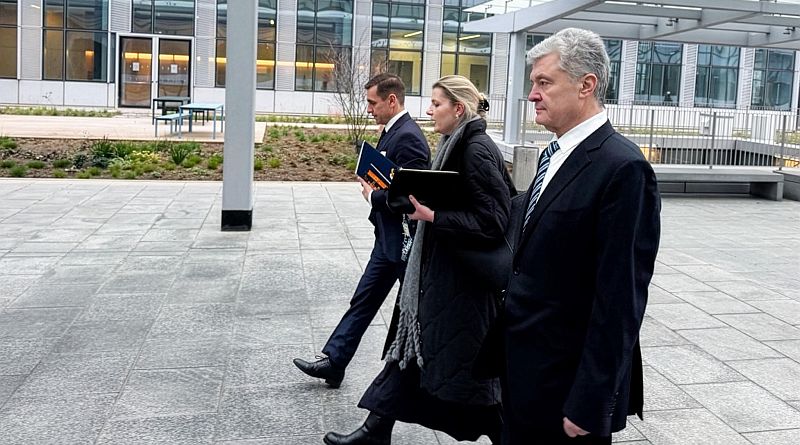
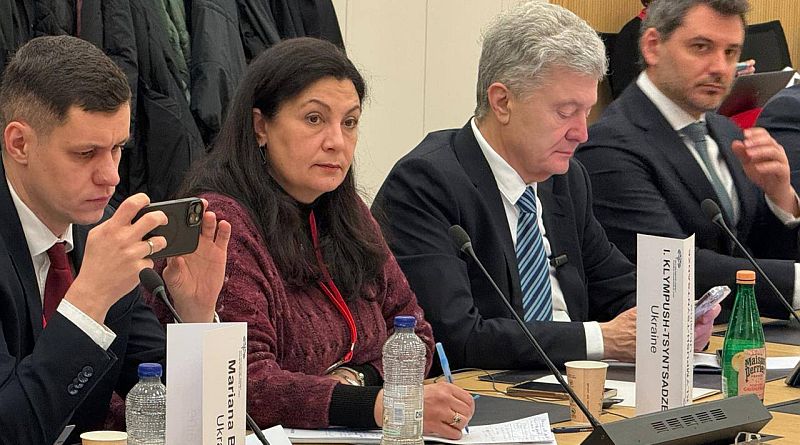
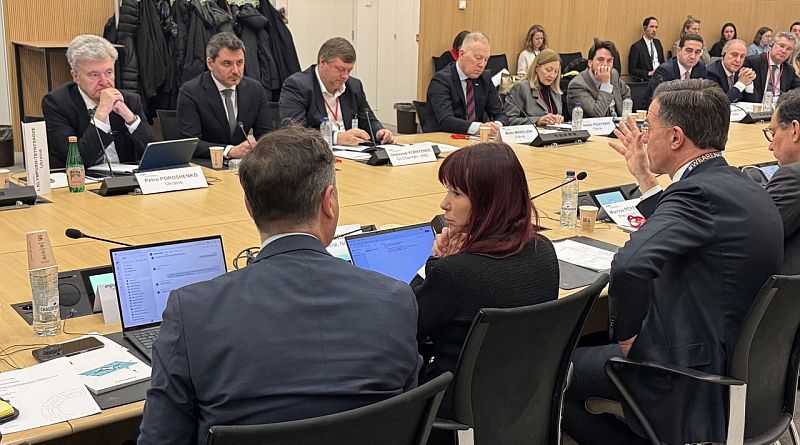
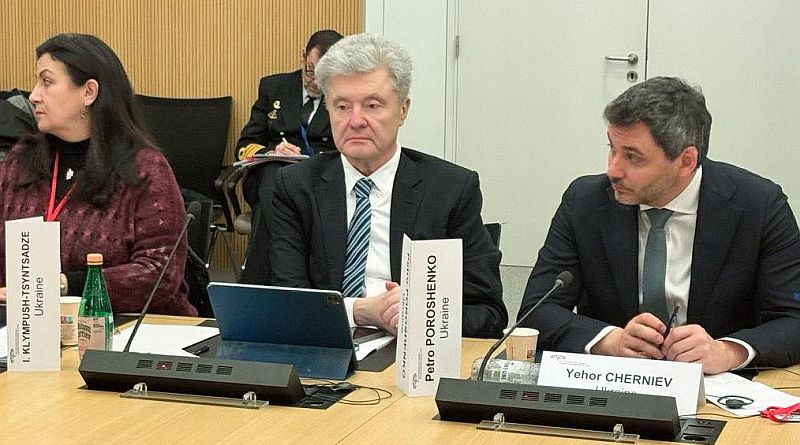
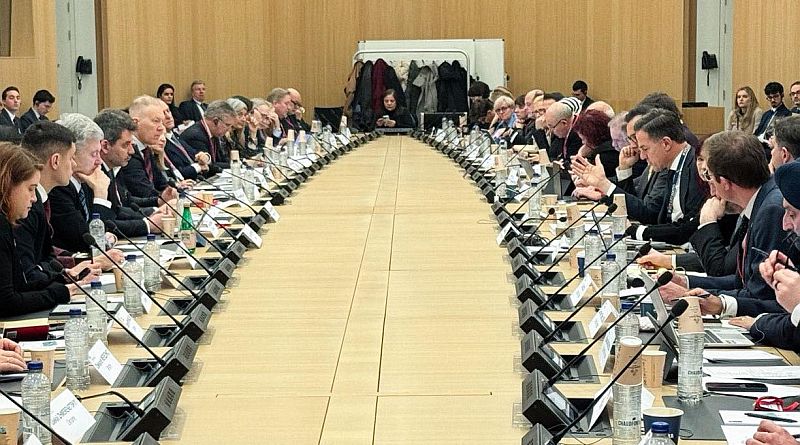
The defense of Ukraine is the defense of Europe. Therefore, by supporting Ukraine, Europeans not only help us but also invest in their own security. These words marked the beginning of my speech at the Ukraine—NATO Interparliamentary Council.
I completely agree with Mark Rutte’s thesis that Europe’s security is decided not so much in Greenland, but in Ukraine. Therefore, despite the importance of Greenland, the main focus should remain on the Ukrainian issue. If NATO is the platform for European and transatlantic security, then Ukraine is one of its pillars. The North Atlantic Alliance remains the strongest and most reliable security guarantee among all existing ones. Not only for member countries but also for Ukraine. Nothing protects freedom more effectively than the Alliance.
I am skeptical about the security agreements we currently have, which are being drafted for 2024. But security guarantees are merely a transitional period to Ukraine’s full membership. I am convinced that Ukraine can be the largest, most professional, and most reliable part of the European armed forces.
At the same time, NATO integration is not just about security. The Alliance is also about freedom and democracy. Democracy and freedom do not exist by themselves. They need to be protected, strengthened, and restored through shared responsibility.
We need to support reforms, including anti-corruption, and protect the rights of the opposition. That is why we must insist on free and fair elections in Ukraine. But after a peace agreement, not during the war.
NATO makes security, stability, democracy, freedom, and peace more enduring and guaranteed for every European country.
* * *
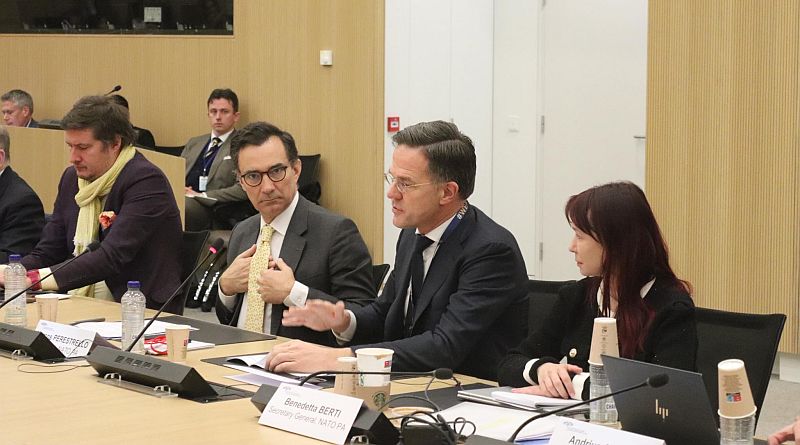
I mentioned this at the Ukraine—NATO Interparliamentary Council, where I was glad to meet my good friend and friend of the entire Ukraine, Mark Rutte.
This issue should be considered because it is a clear signal to Russia that aggression has limits. Military presence is not escalation. It is a step to prevent further violence. It is a step towards a safer and longer-lasting peace.
Russia must understand that if it is ready to escalate aggression, the European side is also ready to respond decisively to decisiveness. Half-measures do not lead to peace.
The security guarantees being concluded from 2024 are only a transitional period to Ukraine’s full NATO membership. Ukraine could become the largest, most professional, and most reliable part of the European armed forces. Meanwhile, integration into NATO is not just about security but also about freedom and democracy, which need to be protected and strengthened through shared responsibility.
The defense of Ukraine is the defense of Europe, and supporting Ukraine is an investment by Europeans in their own security. Europe’s security is primarily determined in Ukraine today, so despite the importance of other regions, the main focus must remain on Ukraine.
* * *
In the context of the 4th year of full-scale invasion and the 12th year of Russian aggression, we must clearly state that without a just peace for Ukraine, there will be no reliable security for Europe. The situation is worsening: Russian troops continue to advance despite immense losses, Russia is heavily targeting energy and civilian infrastructure, leaving Ukrainian cities without light and heat. Lasting peace is possible only when the aggressor is deprived of the ability to achieve its strategic goals. The formula for success is simple: strengthen Ukraine, strengthen Europe and NATO, weaken Russia and its allies.
This means Russia must pay no less of a price than Ukraine is paying today. Therefore, we need long-range missiles and more air defense systems, stable macrofinancial support and the use of frozen Russian assets for defense and recovery, as well as effective security guarantees.
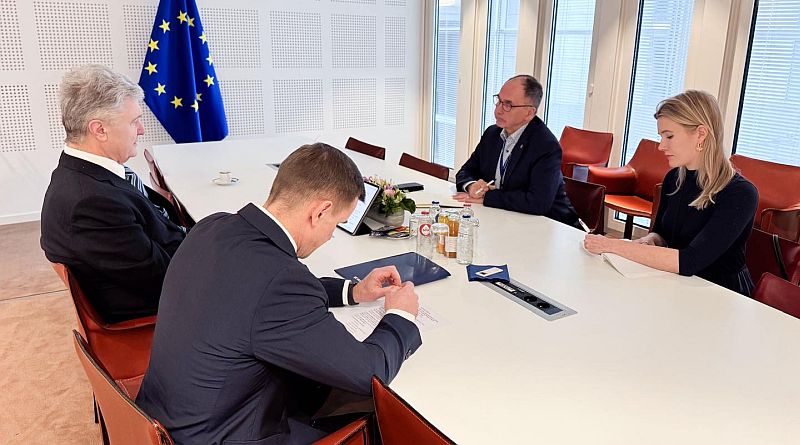
Emphasized the importance of organizing a special European Parliament session on February 24, 2026, on the anniversary of the invasion, approving a strong Resolution in support of Ukraine, a new package of sanctions against the aggressor, and conducting high-level visits to Ukraine as a clear response to Russian terror.
Discussed prospects for accelerating Ukraine’s accession to the EU, including the advisability of fixing specific accession timelines in terms of motivation for implementing reforms.
Special attention was paid to aspects of strengthening Ukraine’s democratic resilience in wartime conditions, particularly the importance of independent anti-corruption institutions, ending pressure on the opposition and media, creating a coalition of national unity, and holding post-war elections according to European standards.
 |
 |
 |
* * *
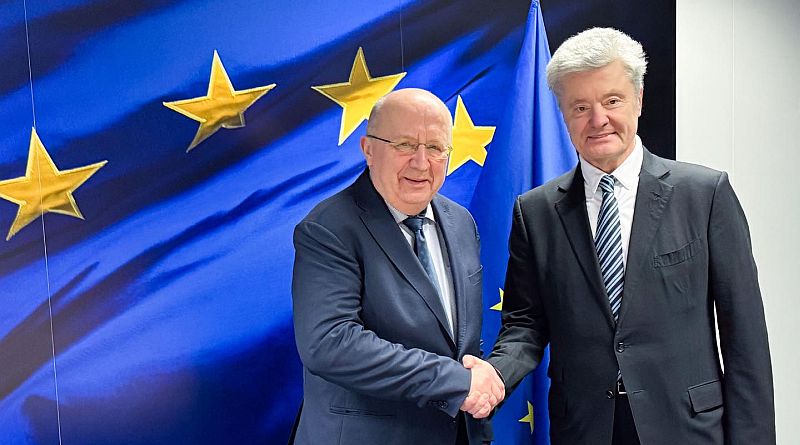
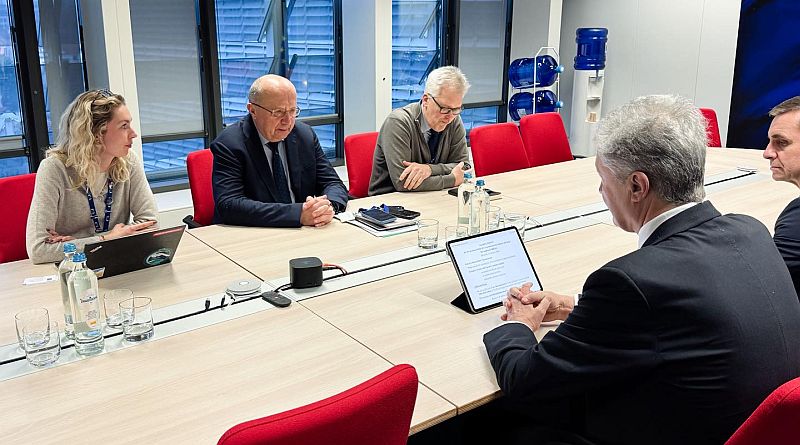
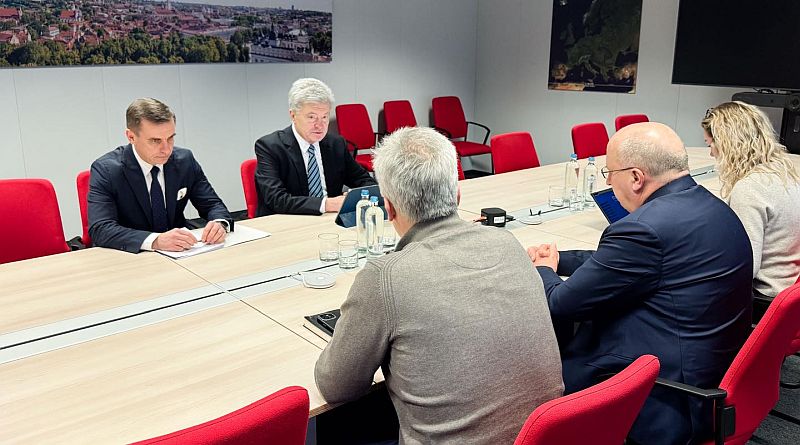
Interesting meeting with EU Commissioner for Defense and Space Andrius Kubilius.
Expressed gratitude for the decision to allocate Ukraine a loan of 90 billion euros to meet urgent military needs in a “cascade manner” (through investments in Ukrainian defense industry, purchasing from European manufacturers, and if necessary, from American arms producers).
Also expressed hope for the approval of this EU regulation on the use of the loan within the EU Council of Permanent Representatives this week.
Discussed the security situation in Ukraine and Europe, ways to overcome the critical state of Ukraine’s energy sector due to the latest Russian missile attacks, and Ukraine’s urgent needs for air and anti-drone defense.
Emphasized the importance of significantly increasing investments in the defense industry of both Ukraine and European countries. Exchanged views on the substantive content of the 20th EU sanctions package against Russia, as well as the special resolution of the European Parliament and the statements of the European Commission in connection with the fourth year of the full-scale invasion and the twelfth year since the start of Russian aggression against Ukraine.
 |
 |
 |
* * *
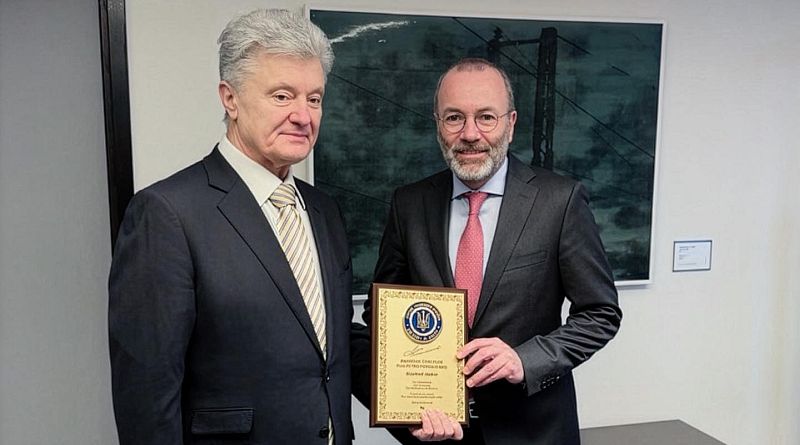
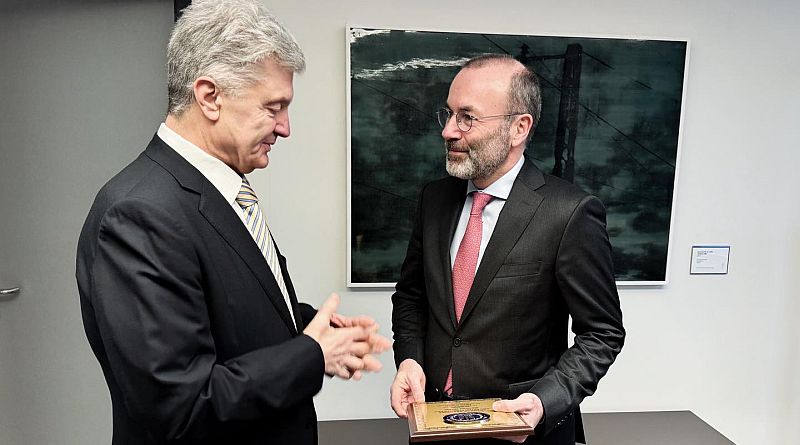
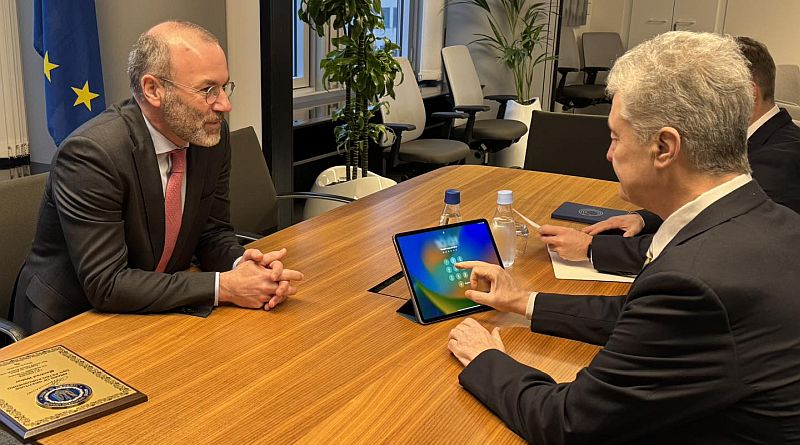
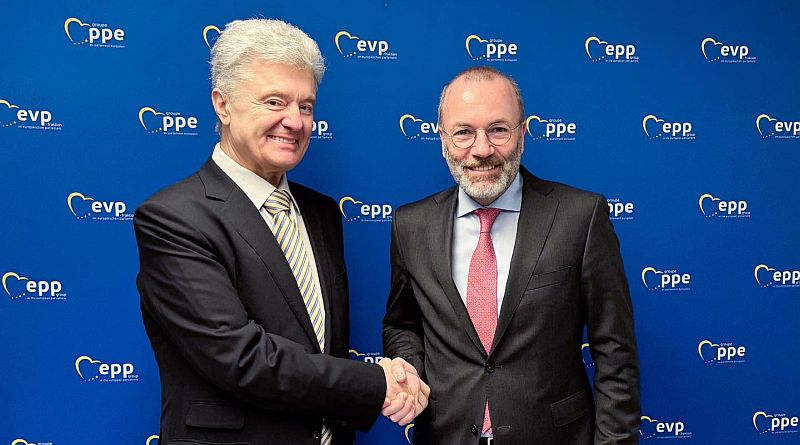
Important and candid meeting with President of the EPP – European People’s Party Manfred Weber.
We discussed the political and security situation in Ukraine and Europe, issues of transatlantic unity, and responses to growing security threats to the European continent.
Suggested to the President of the EPP to initiate a special session of the European Parliament on the fourth anniversary of the full-scale invasion and the preparation of a special EP resolution in support of Ukraine.
Emphasized the importance of increasing political and sanctions pressure on Russia by the EU and G7 countries for the quickest end to the war and the achievement of a fair and sustainable peace. In this context, urged to accelerate work on adopting an effective and substantial 20th EU sanctions package against the Russian aggressor in coordination with other Western partners.
Also discussed problematic issues of opening negotiations on Ukraine’s accession to the European Union. Informed the President of the EPP about the state of democracy and the rule of law in Ukraine under martial law.
Had the honor of presenting Manfred Weber with a personal token of gratitude for his long-term contribution to supporting Ukraine.
 |
 |
 |
 |
* * *
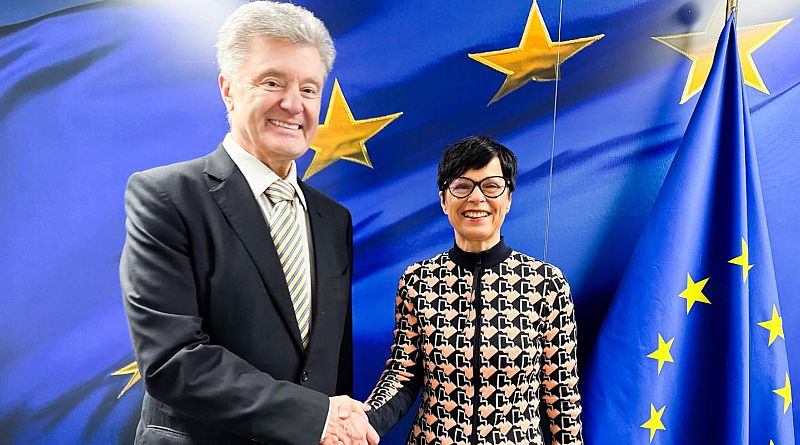
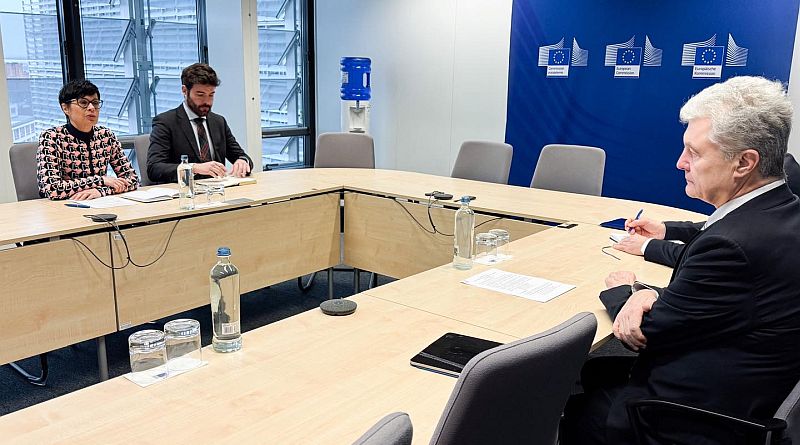
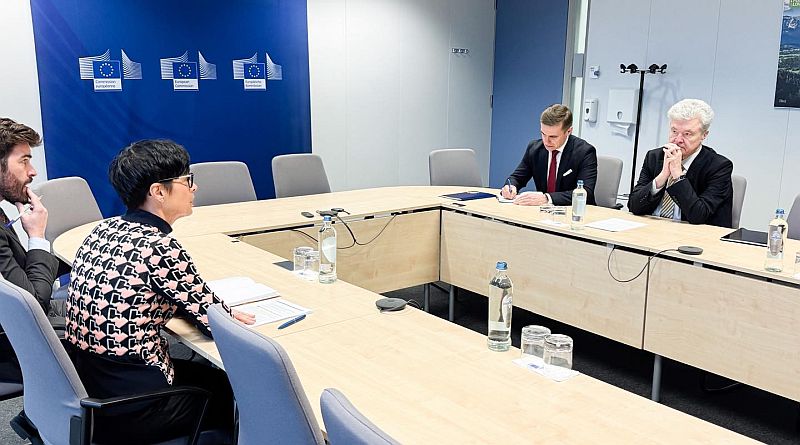
A sincere and candid meeting with the EU Commissioner for Enlargement, Marta Kos.
The conversation focused on the prospects and urgent issues of the negotiation process for Ukraine’s accession to the European Union. They discussed in detail the initiative regarding Ukraine’s “limited membership” in the EU and the substantive content of the regulation on providing Ukraine with a loan of 90 billion euros for military needs and budgetary support purposes.
Emphasized the importance of the prompt official opening of the “Foundations” negotiation cluster with a strengthened focus on the state of democracy and the functioning of democratic institutions in Ukraine, the rule of law, and the fight against corruption, respect for multi-party pluralism, freedom of speech, and the rights of the opposition.
In this context, they discussed the state and problematic implementation of the priority reform plan in the field of the rule of law according to the Joint Statement by EU Commissioner Marta Kos and Deputy Prime Minister of Ukraine Taras Kachka. They discussed the initiative of the Ukrainian government to prepare a bill on the features of conducting elections, as well as the priorities of legislative support for Ukraine’s European integration.
The EU Commissioner expressed admiration for the courage and resilience of the Ukrainian people and assured full effective support from the EU in their heroic fight for freedom and security.
 |
 |
 |
* * *
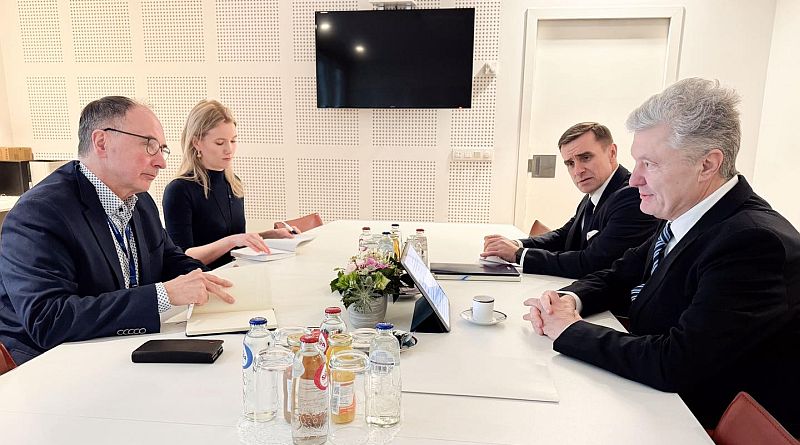
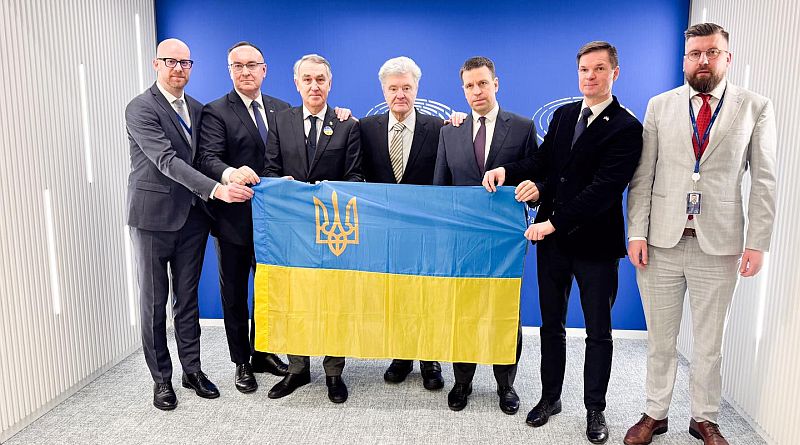
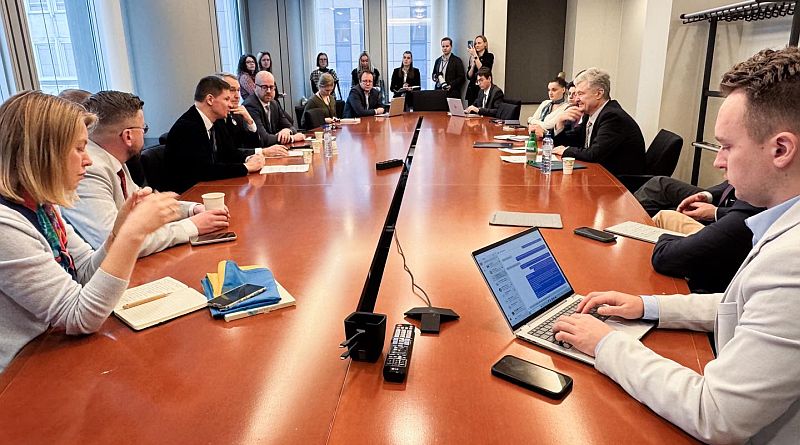
Today’s discussion was dedicated to the security situation in Ukraine and Europe, support on the eve of the 4th anniversary of the full-scale Russian invasion and the 12th year of Russian aggression, as well as promoting Ukraine’s European integration and strengthening the democratic resilience of the state under martial law conditions.
Emphasized that Russia is massively attacking energy and civilian infrastructure, leaving Ukrainian cities without light, water supply, and heat. Noted that lasting peace is possible only when the aggressor is deprived of the ability to achieve its strategic goals. The formula for success is obvious: strengthening Ukraine + strengthening Europe and NATO + weakening Russia and its allies. This includes increasing the supply of modern weapons (primarily air defense systems and drone technologies), developing the Ukrainian defense-industrial complex, providing stable macro-financial support, using frozen Russian assets to finance defense needs and the reconstruction of Ukraine, and implementing effective security guarantees. Meanwhile, in the long term, the only effective security guarantee for Ukraine remains NATO membership.
Emphasized the need to increase political and sanction pressure on Russia by the EU and G7 countries, in particular to expedite the preparation and approval of an effective and substantial 20th package of EU sanctions against the Russian aggressor in coordination with other partners.
Proposed the initiative of holding a special session of the European Parliament on the eve of the 4th anniversary of the full-scale invasion, preparing a strong special resolution in support of Ukraine, and conducting high-level visits of EU representatives to Ukraine.
In the context of the negotiation process regarding Ukraine’s accession to the European Union, discussed problematic issues of opening negotiations, primarily the “Foundations” cluster. Expressed gratitude to the members of the European Parliament for voting to allocate a long-term financial loan to Ukraine in the amount of 90 billion euros, and also discussed the parameters and substantive content of regulatory decisions regarding the granting of this loan to Ukraine.
Particular attention during the meeting was paid to strengthening Ukraine’s democratic resilience in wartime conditions.
 |
 |
* * *
Ukraine’s defense is Europe’s protection against Russian invasion. That is why the issue of the Russian-Ukrainian war must remain a key item on the agenda of our partners.
The last few days have been very busy with meetings within the framework of the Ukraine-NATO Interparliamentary Council and negotiations with EU representatives.
During my speech, I once again emphasized: integration into the North Atlantic Alliance is the main and non-alternative security guarantee for Ukraine.
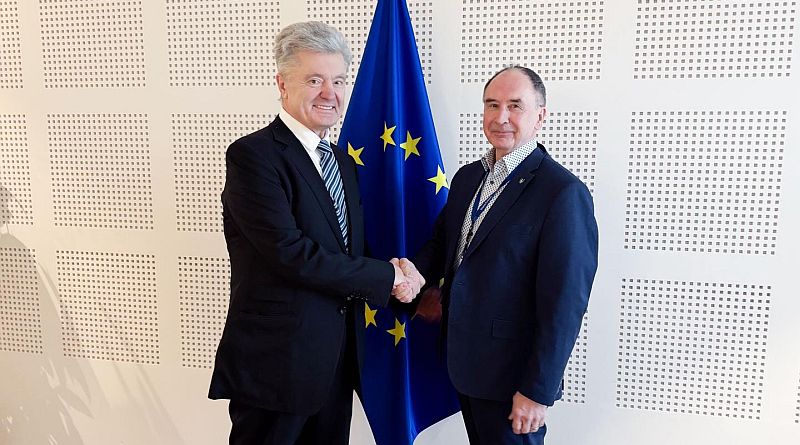
I would like to thank the Secretary General of the Alliance and my good friend Mark Rutte, European Commissioner for Enlargement Marta Kos, President of the European People’s Party Manfred Weber, Head of the European Parliament Delegation Pekka Toveri, and European Commissioner Andrius Kubilius for the candid and fruitful discussions.
We are working on all available international platforms to ensure Ukraine’s voice is heard. We sincerely appreciate that Ukraine has reliable friends in Europe.
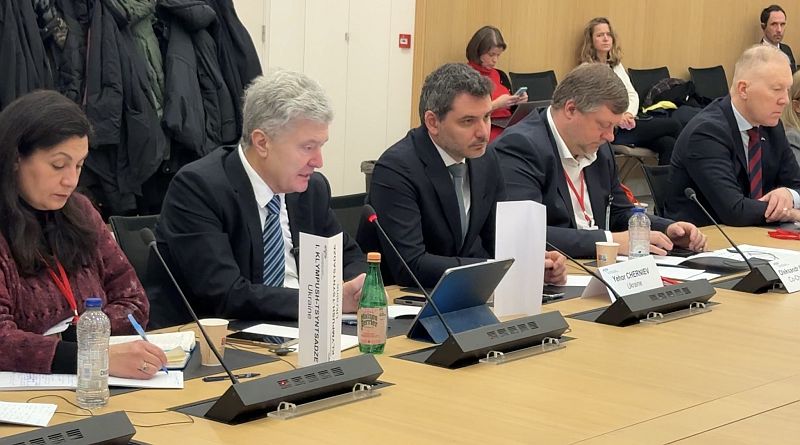
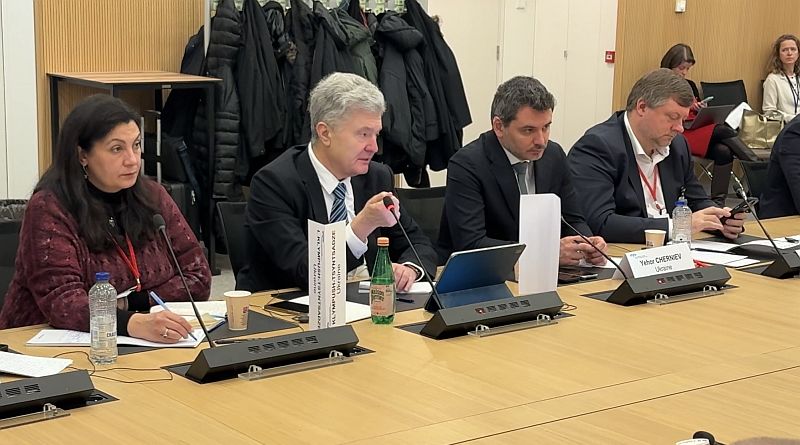
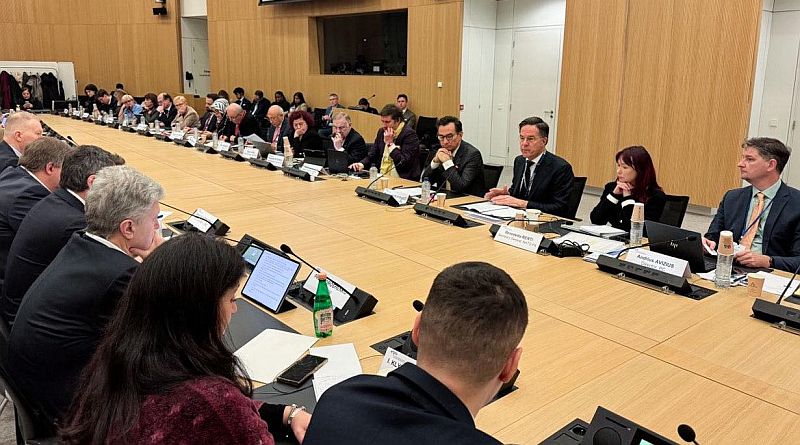
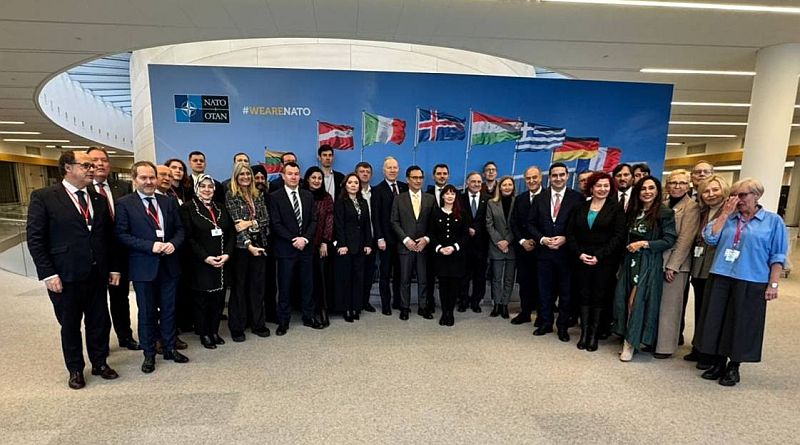
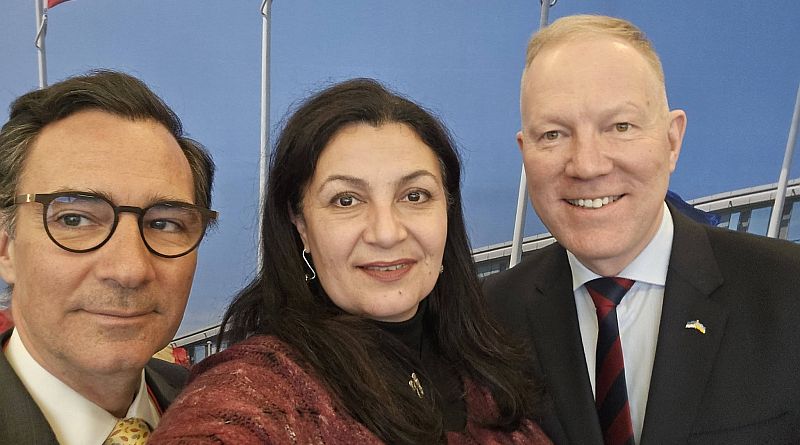
The annual meeting of the Ukraine-NATO Interparliamentary Council took place in Brussels.
Our colleagues from NATO, particularly the President of the NATO Parliamentary Assembly Marcos Perestrello, spoke about the fact that, despite various other challenges, the issue of aiding Ukraine is absolutely a priority for the Alliance, including the NATO Parliamentary Assembly.
Therefore, even before this meeting, the NATO PA Bureau addressed all parliamentary delegations of the Alliance member countries with a request and insistence on increasing aid to Ukraine in providing air defense means and assistance with energy equipment to maximally support Ukraine in connection with the inhumane shelling directed against the civilian population of Ukraine.
The meeting discussed political support issues, further shared vision on how Ukraine’s partners can strengthen their commitments within the Coalition of the Willing for the future, as well as concrete parameters of urgent military support and recommendations on priority reforms in Ukraine, which in many ways align with the tasks of European integration.
We had the opportunity to hear a speech and ask questions to the Secretary General of the Alliance, Mark Rutte. It is clear that the Ukrainian delegation insisted on the most essential items that are critical for Ukraine today: air defense means, artillery shells, investments in the Ukrainian defense industry, and assistance in restoring and strengthening Ukraine’s energy system. There was a separate firm insistence that the issue of our membership in the Alliance must remain on the agenda and cannot be decided by anyone outside Ukraine and NATO members.
A large number of delegations from different NATO member countries participated in this event, which also demonstrates that this platform is now important for colleagues from NATO countries’ parliaments. They want to express their support for Ukraine, while also getting firsthand information on how to move forward and what to emphasize in their conversations with their governments.
P.S. Andronius Ažubalis has completed his term as Co-Chairman of the Ukraine-NATO Interparliamentary Council. The new co-chair is another great friend of Ukraine, Marko Mihkelson.
 |
 |
 |
