
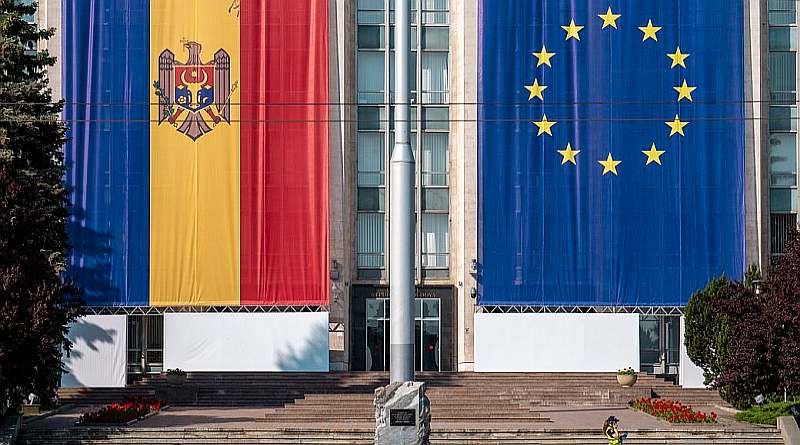

The exit of the Republic of Moldova from the Commonwealth of Independent States in 2027 is by no means a mere formal denunciation of post-Soviet agreements. We see the final chord in the long drama of the disintegration of the Russian neo-imperial sphere of influence. Chișinău officially closed the “Soviet project,” confirming there will be no return to Moscow’s orbit. For the Kremlin, this is a double defeat: ideological and strategic.
The main catalyst for the final break was the parliamentary elections in Moldova in September 2025. Despite unprecedented injections of black cash, the work of “troll farms,” and attempts to destabilize through a network of agents connected with fugitive oligarchs and the structures of Ilan Shor, Russian intelligence services suffered a crushing defeat.
The failure of the GRU and FSB in Moldova became apparent: old methods of bribing voters and intimidation with “energy blackmail” no longer work in a society that has seen a real alternative. Moldovan intelligence services, with the support of Western partners, effectively neutralized channels of illegal financing, leaving pro-Kremlin proxies without resources and agenda.
For Moldova, leaving the CIS is a legal clearing of the path to the European Union. It is impossible to build European institutions while remaining in an organization led by an aggressor state. Chișinău clearly indicated: safety and prosperity lie in integration with the EU, not in dubious alliances dominated by the law of the strong.
Massive investments in infrastructure, energy independence from “Gazprom,” and the harmonization of legislation with Brussels have made the process of European integration irreversible. Moldova is no longer a “gray zone,” but a future eastern outpost of a united Europe.
Moreover, the current unenviable position of the Kremlin is exacerbated by the “domino effect” in Central and Eastern Europe. The shocking defeat of Viktor Orbán in Hungary deprived Moscow of a key “Trojan horse” within the EU and NATO. The loss of a major ally in the region coincided with Moldova’s decisive demarche.
Where once the Kremlin could count on blocking anti-Russian sanctions or stalling Moldova’s EU integration through a Hungarian veto, now this diplomatic support is gone. Moscow is losing leverage one by one: a belt of states is forming from Budapest to Chișinău, choosing a democratic model of development over serving the interests of Lubyanka.
Moldova’s exit finally seals the death of the CIS as a functional organization. Today, the Commonwealth is merely a “club of dictators,” devoid of economic meaning and security mechanisms.
The CIS does not protect anyone, and as the experience of Armenia and Moldova has shown, membership in pro-Russian blocs does not guarantee the protection of sovereignty, but rather poses a threat of interference. The organization also offers no development, as economic ties within the CIS have long lost out to global market competition. The disintegration of the CIS structure is evident. Other bloc participants weary of Moscow’s imperial ambitions, which bring only isolation and stagnation, may follow Moldova.
The map of the “Russian world” continues to contract rapidly. Moldova has made its choice, a conscious, difficult, but final choice. The Kremlin may continue to issue angry press releases and lament through Peskov, but the reality is this: its zone of influence has turned into “shagreen leather,” and this process is already unstoppable. Chișinău is moving into the future, leaving Moscow in its imperial past.
