
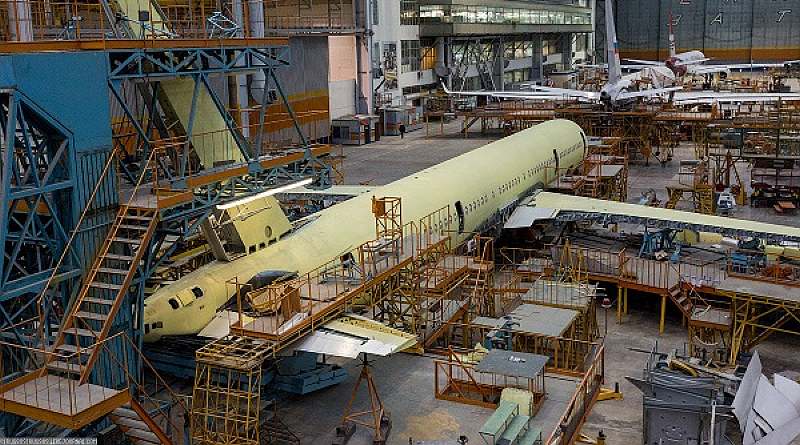
On March 16, Ukrainian Defense Forces struck the infrastructure of the Aviastar aircraft manufacturing plant in the Ulyanovsk area. And on March 17, our drones attacked “123 ARZ” in the city of Staraya Russa in the Novgorod region.
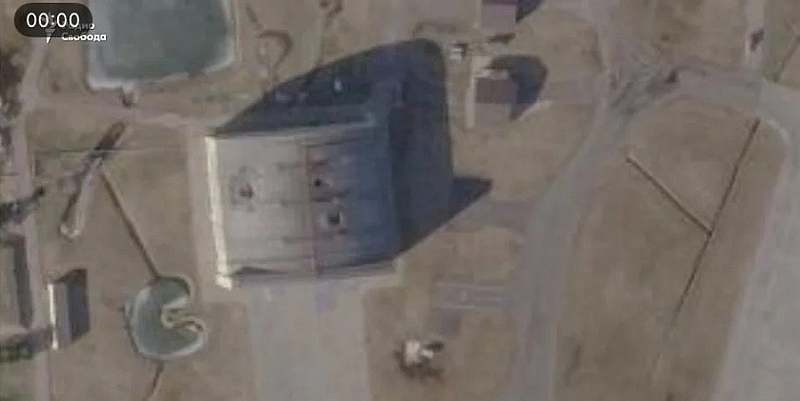
Let’s start with the technical part and where exactly it hit. The 123rd aircraft repair plant in Staraya Russa (Novgorod region, over 700 km) is a key Russian hub for heavy transport aircraft repair.
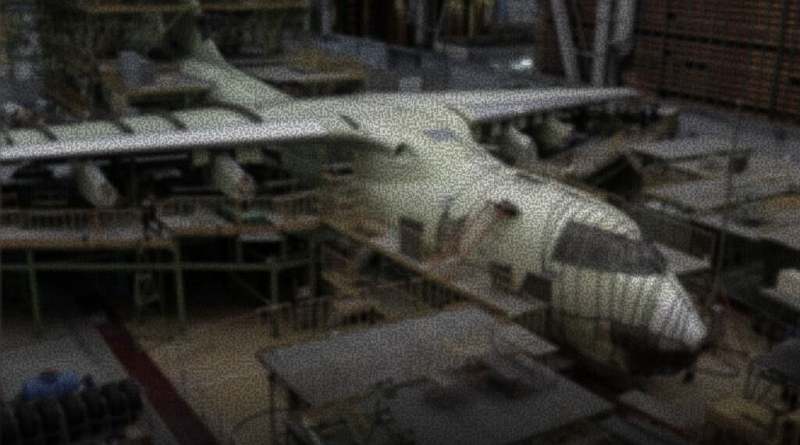
The fresh satellite images clearly show three neat holes in the roof of the main assembly shop. Here’s an important detail: even if there wasn’t an aircraft inside at the time, a roof breach means damage to unique test equipment, overhead cranes, and calibration apparatus.
No doubt — the head of our drone can cause considerable damage upon penetration.
This is not a garage where you can make “barbecues” on a whim. Without this shop, the pace of repairs of D-30KP engines and airframes for Il-76 drops to zero. This is a severe blow to the logistics of their Western Military District.
The second target is Aviastar in Ulyanovsk (1200+ km). This is a giant of the United Aircraft Corporation, which produces new Il-76MD-90A transporters and, critically important, Il-78M-90A tanker aircraft. The strike hit the climate testing area and parking spots. They assemble these machines individually, literally two or three a year, because the production cycle is incredibly complex.
They can physically assemble the airframe, install the engines, but they are not authorized to deliver the aircraft to the troops because it has not passed climate certification. Sending an untested transporter with paratroopers to Yakutia or Murmansk is a risk that somewhere along the route its hydraulics will simply fail and it will plummet like a stone.
The strike on AviaStar is an attempt to halt their fleet renewal program and leave them with old Soviet scrap metal.
Now, why are we doing this? It’s simple—we are methodically cutting their logistical tendons. Russia is a vast territory. To rapidly transfer equipment, paratroopers, anti-aircraft missiles, or the same “Shaheds,” they critically need heavy military transport aviation.
The Il-76 is their basic workhorse. They can literally build only a few such machines annually, a very slow and costly process.
By taking out the factories that produce them (AviaStar) and, more importantly, massively repair them (123 ARZ), we are narrowing the enemy’s capabilities.
The aircraft are worn out from intense use, need regular maintenance, and now repairing them is extremely difficult. This is a strategic strangulation of the regime. Without transport aviation, their reaction speed decreases significantly, and they will have to laboriously transport reserves by rail, which also regularly goes up in flames.
The Phantom Pain of Engels and “Web”
And now the main point: how does this relate to missile attacks on Ukraine? One must understand a simple fact: a strategic bomber like the Tu-95MS or Tu-160 is not a “Zhiguli” that can be assembled on a conveyor in a week. These are bespoke, astronomically expensive machines of Soviet assembly, and Russia is physically incapable of compensating for losses.
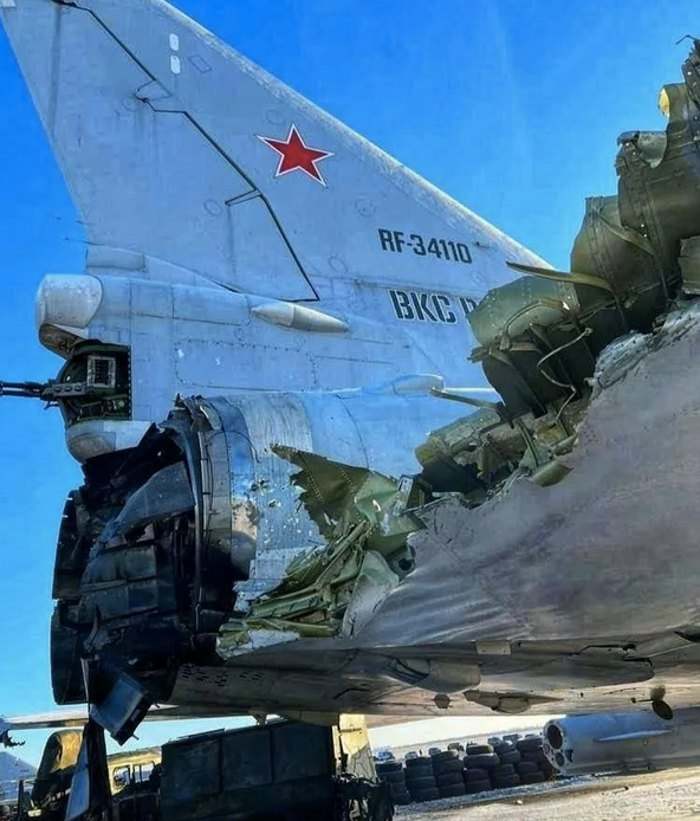
That’s why our strikes on airfields are not just tactical jabs but a campaign that significantly impacts the strategic level. When in December 2022 unknown “Swifts” attacked Engels and Dyagilevo, damaging several aircraft, it was an absolute shock for the Kremlin. They suddenly realized that deep rear no longer existed, and their “bears” were defenseless right at their bases.
Then came systematic operations for destruction. Let’s remember the brilliant operation by the GUR in August 2023, when saboteurs with quadcopters completely burned the flagship Tu-22M3 at the Soltsy airfield near Novgorod, and damaged two more at Shaykovka.
And then there was “Web”. The result — over 40 aircraft were hit, causing seven billion dollars in damages literally within an hour. They were preparing to fight NATO, but their “nuclear triad” was burned by FPV from the back of a truck rented on Avito. This very horror forced the regime to scatter the remnants of their strategic aviation to remote corners from Olenya to the Far East (Ukrainka). They hid the planes, but this radically complicated their lives.
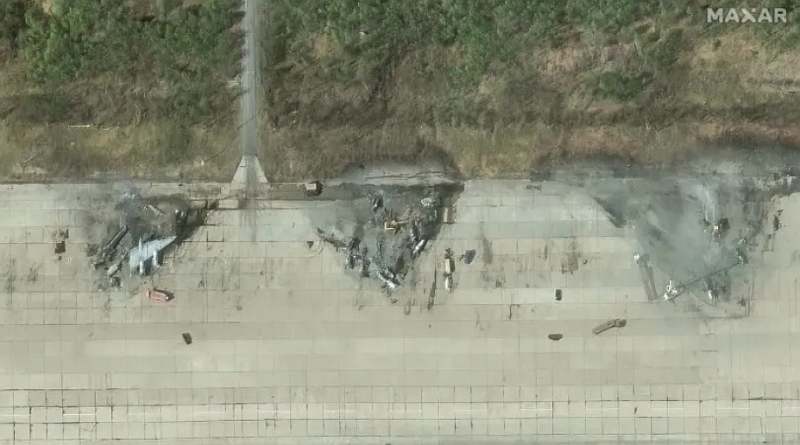
Now, to reach launch positions, they have to send aircraft across half the country, burning engine resources (which are already in short supply) and critically depending on those same Il-78 refuelers we are now methodically cutting off by striking aircraft repair plants.
We’ve driven them into a logistical dead end: if you leave the aircraft closer, they’ll be burned by drones; if you hide them far, the engines wear out and there aren’t enough refuelers. A real zugzwang.
But here a critical problem emerged: to fly from the Far East to the launch areas over the Caspian and back, they vitally need in-air refueling.
The Death of Flying Gas Stations
The Il-78 (tanker plane) fleet in Russia is in a poor state. Only 20–25 planes are operational across their vast empire. They are worn out, old, and constantly in need of maintenance. Without these flying gas stations, their strategists turn into beautiful but useless museum pieces. If the Tu-95 takes off from Olenya without refueling, it must carry fewer missiles and more fuel, reducing its strike efficiency.
By taking out Aviastar (which builds new Il-78s) and the 123 ARZ (which repairs them), we literally tie Russian strategists to the ground. No tankers — no massive cruise missile launches at our cities from deep within their territory. This is a logistical noose.
The Workhorse of the Regime and a Shortage of Time
In addition, let’s not forget the basic Il-76s. They are the main workhorses of the regime. They transport “Shaheds” from Iran, shells from North Korea, quickly redeploy troops when the front is crumbling, and they need to urgently plug gaps with “meat” to prevent large-scale casualties; they evacuate the wounded after stabilization.
Due to the insane intensity of flights, the plane and engine resources are depleted much faster than normal. The repair base can no longer cope.
If we take out their repair plants, this logistical empire begins to choke. Transporting a brigade or missiles by rail takes a week or two. By air — just a few hours. We ensure they are left with only a week. In modern warfare, losing mobility is a significant issue, especially when you’re already stuck in a positional meat grinder.
Therefore, these strikes aren’t just for the beautiful pictures on YouTube or reports on Facebook — they hit the mark. This is a systematic, cold-blooded strategy to destroy Russian aviation logistics at the macro level. We can’t shoot down bombers, but we can ensure they physically fly less due to the lack of fuel, tankers, and spare parts. This is the real long game.
