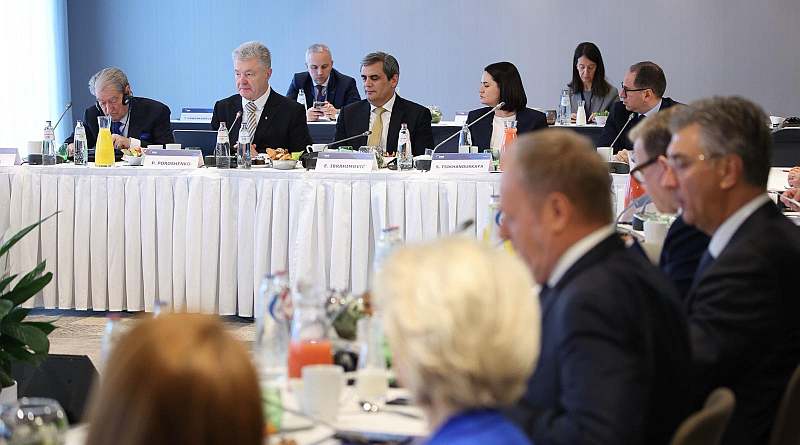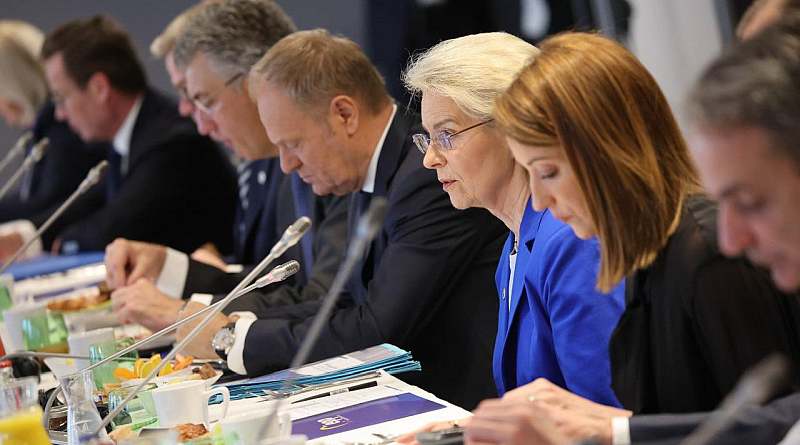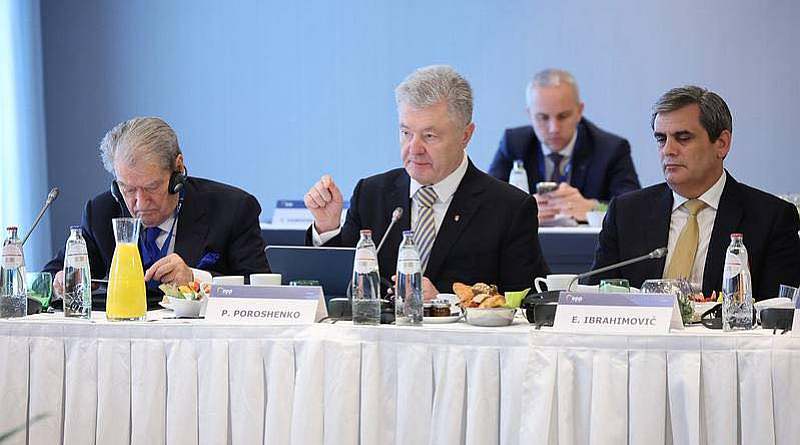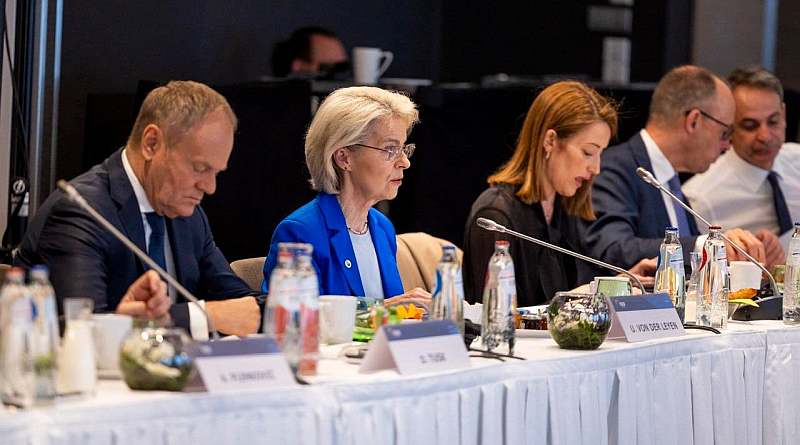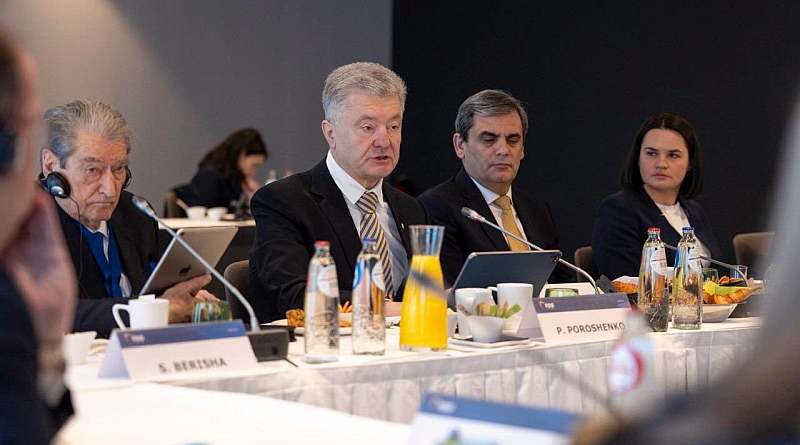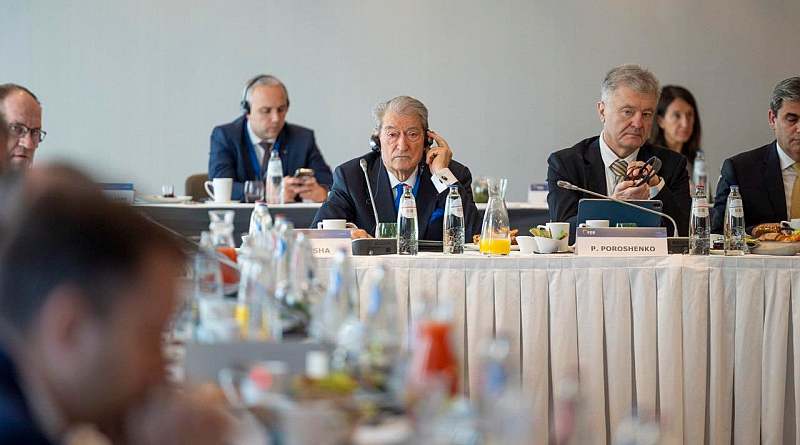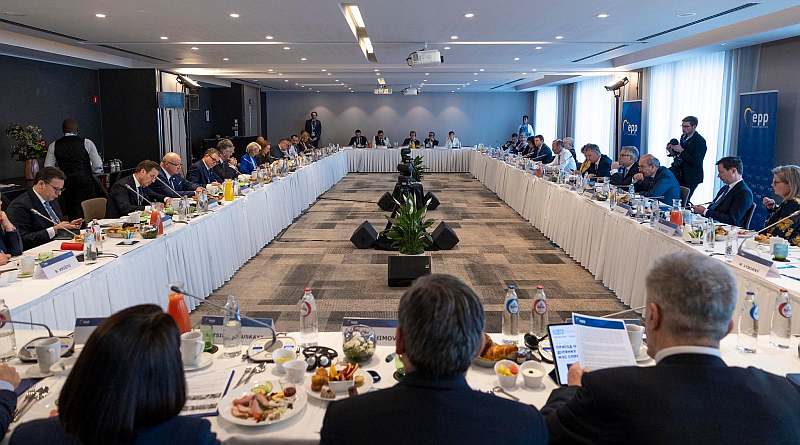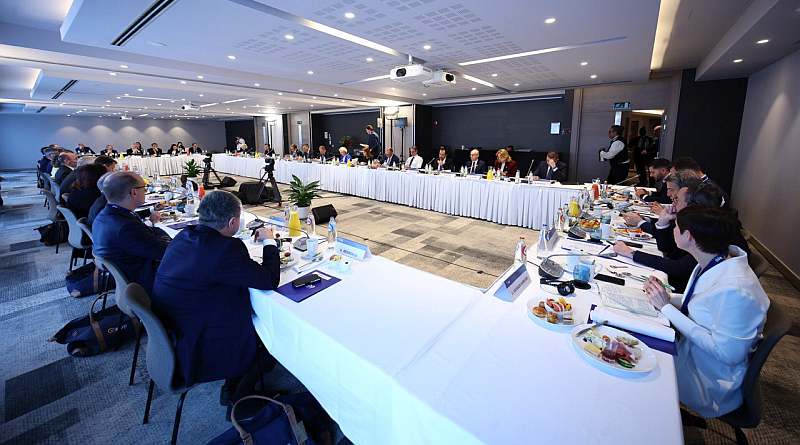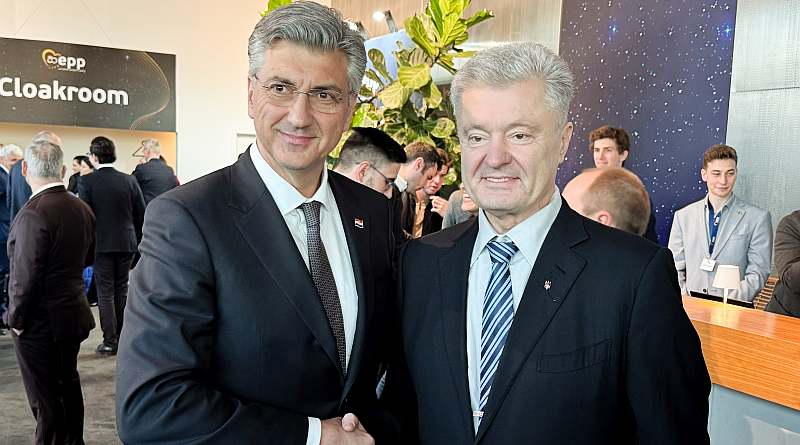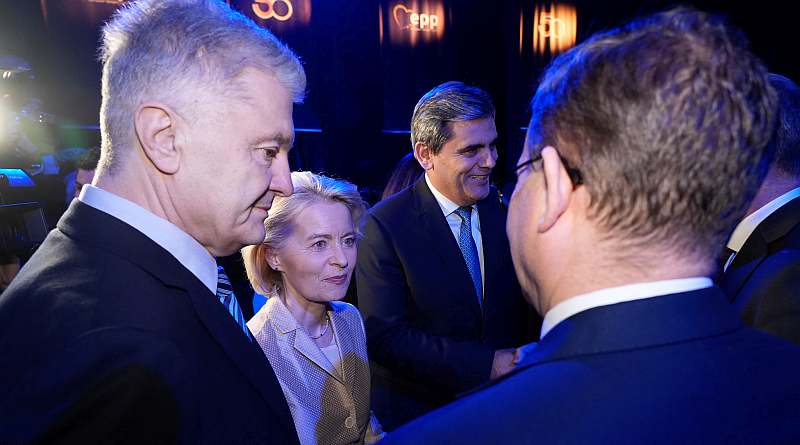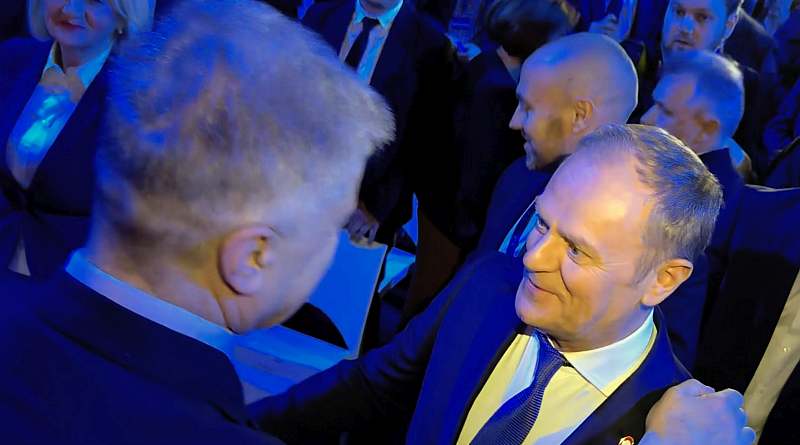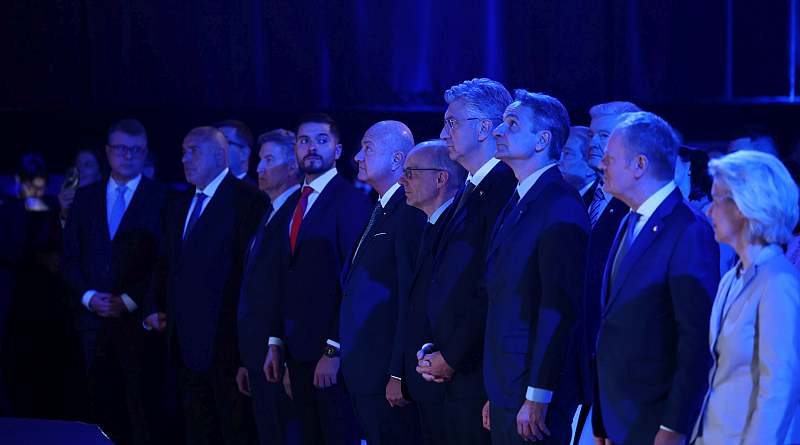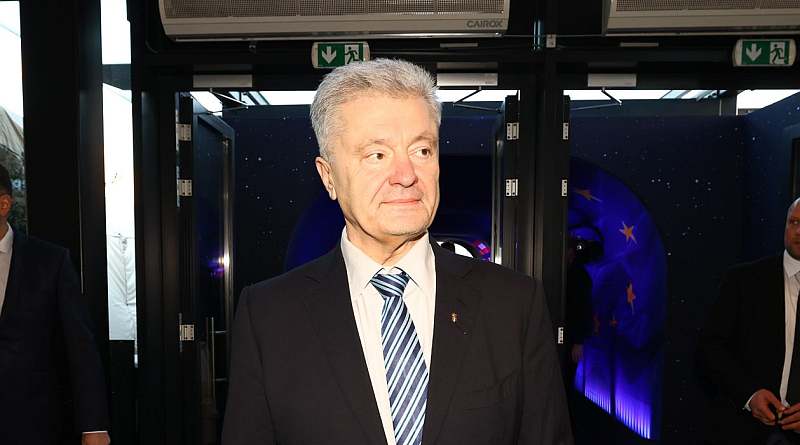
Our political family, the European People’s Party, is 50 years old! For half a century, the EPP – European People’s Party has stood for European democracy, strong institutions, human rights, a rules-based order, and unity in the face of complex challenges.
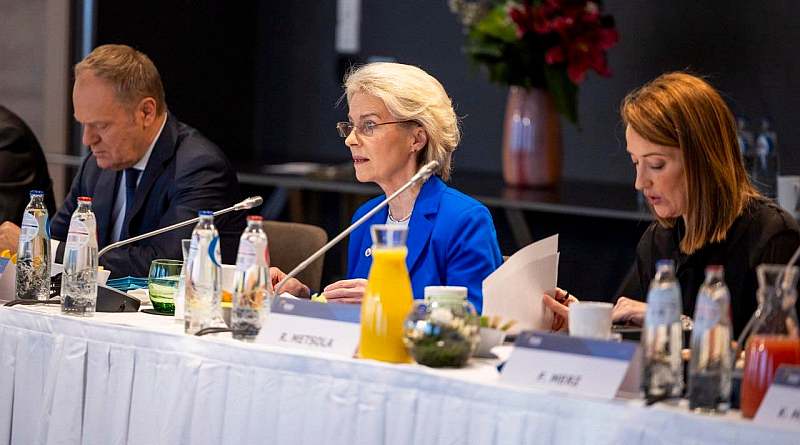
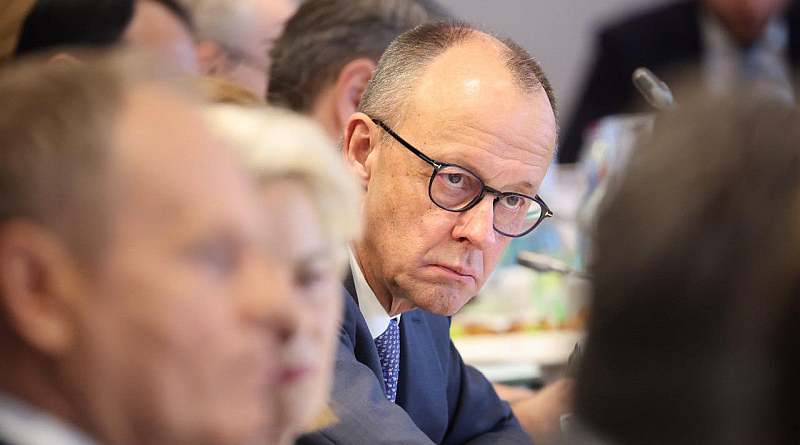
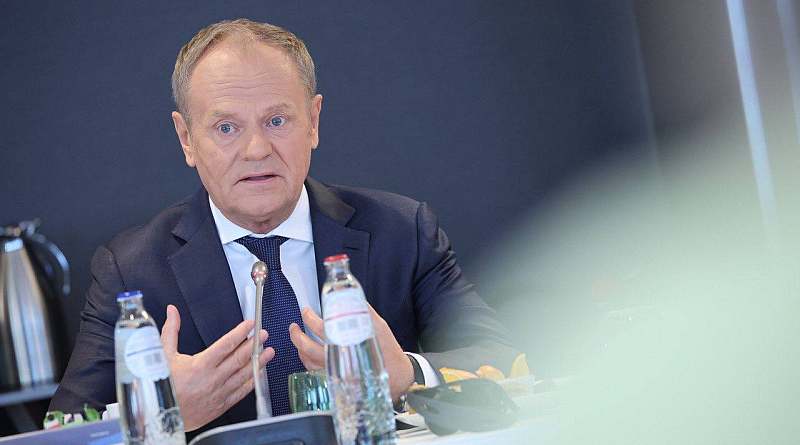
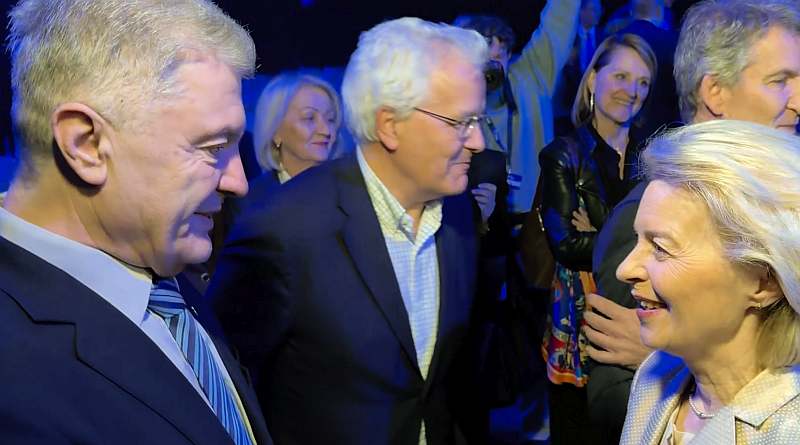
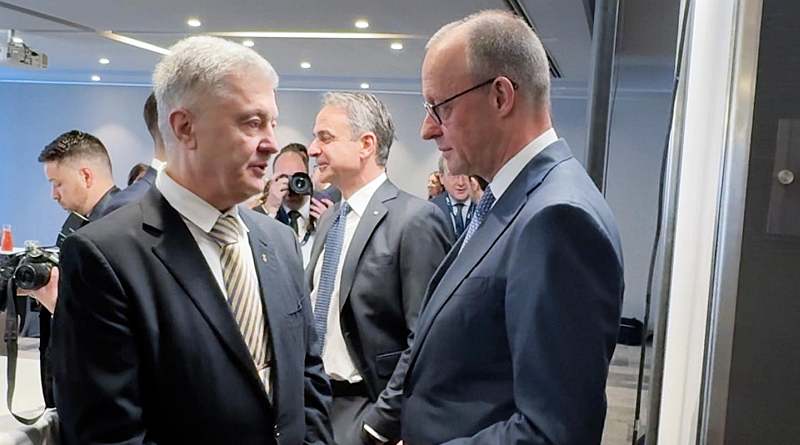
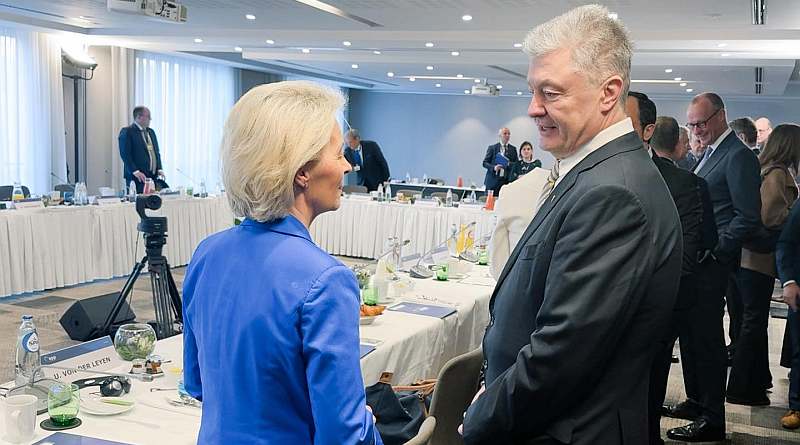
Today, the EPP is promoting the idea of accelerated EU membership for Ukraine. I had the honor and wonderful opportunity to thank many friends of our country: from Ursula von der Leyen, Roberta Metsola, and Friedrich Merz to Donald Tusk, José Manuel Barroso, and Jean-Claude Juncker.
Since 2014, the European People’s Party has stood side by side with Ukraine in resisting Russia’s aggressive campaign against our country and against stability and security on the European continent, applying sanctions against the Russian aggressor. Together, we have reached a new level of relations: association between Ukraine and the EU, a deep and comprehensive free trade zone, visa-free travel, and broad sectoral integration.
* * *
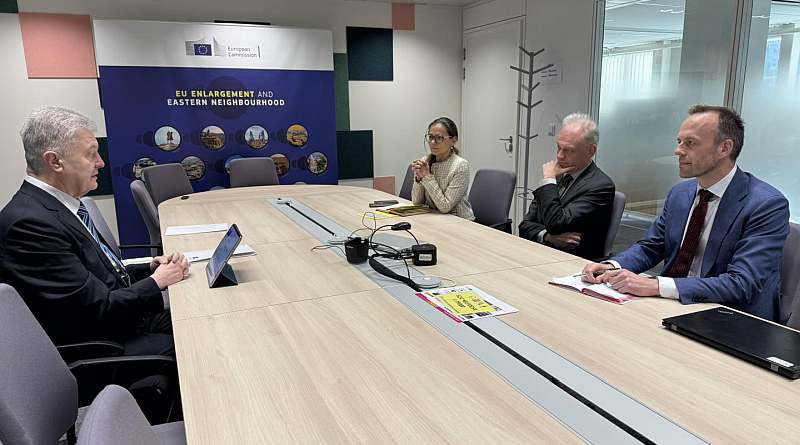
We discussed in detail the status of the negotiation process regarding Ukraine’s accession to the European Union, the need for progress in our country’s implementation of rule-of-law reforms amid a parliamentary crisis.
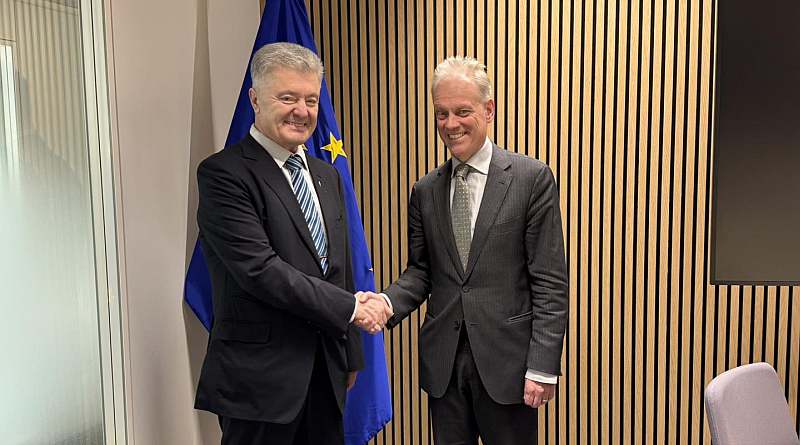
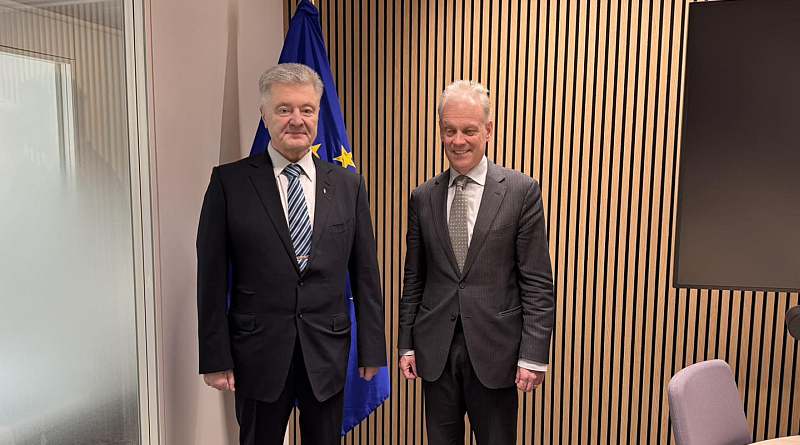
I emphasized the importance of forming a parliamentary coalition of national unity based on the European integration agenda to accelerate meeting EU membership criteria. I informed Mr. Koopman about the problematic aspects of the functioning of democratic institutions in our country, ensuring respect for the rights of the opposition, multi-party pluralism, and politically motivated prosecutions.
 |
 |
 |
* * *
We discussed the important role of a united Europe in negotiations to end the war, the need to increase pressure on the Putin regime, including through the approval of the 20th package of EU sanctions, resolving the issue of allocating a €90 billion credit to Ukraine to meet our state’s military and budgetary needs, and the prospects of accelerated EU membership for Ukraine.
I urged European leaders to pay more attention to the state of democracy and the rule of law in our country.
 |
 |
* * *
It is especially symbolic that this meeting takes place before the European Council meeting, which will be devoted to Ukraine. Right now, it is being determined what Europe’s response to the greatest challenge of the 21st century will be.
We live in a moment when there is another attempt to replace law with force. Many are distracted by other regions, but the war of Russia against Ukraine has become the starting point of a global upheaval. And the best way to stop it is to eliminate the root cause.
There are three key priorities.
First — the restoration of strong transatlantic unity. This is the most effective deterrent, feared by all our enemies.
Second — strengthening Ukraine and weakening Russia. Ukraine must determine the principles for ending the war. We must establish the “red lines.” This means:
- supporting modern Armed Forces without restrictions;
- providing weapons without delays;
- developing the Ukrainian defense industry as part of the European one;
- stable financial assistance and the use of frozen Russian assets;
- real security guarantees — EU membership and the presence of Coalition of the Willing forces.
Weakening Russia means increasing sanctions pressure, including against the energy sector, as well as inevitable accountability for all committed crimes. If Russia chooses a long war, we must make it economically impossible.
Third — internal resilience of Ukraine. Today, there is much talk about a parliamentary crisis. In reality, it is a crisis of political responsibility. Those who want to act, act. Those who do not want to, look for excuses.
Ukraine needs:
- coalition of national unity;
- independent anti-corruption institutions;
- implementation of key reforms;
- cessation of pressure on the opposition, civil society, and media;
- lifting of restrictions on parliamentary diplomacy;
- cessation of illegal sanctions against opponents.
We are all going through tests. But so far, we have faced them with dignity and determination.
Thank you to our partners for their support and leadership!
Glory to Europe and Glory to Ukraine!
* * *
This meeting was dedicated to aligning the positions of EU member states at the European Council meeting on March 19.
During my speech, I emphasized that despite the events around Iran and the Middle East, support for Ukraine should remain a priority for the EU.
It is necessary to:
- Strengthen Ukrainian resilience through the formation of internal unity.
- Enhance the Armed Forces of Ukraine, including through partners.
- Approve the 20th EU sanctions package.
- Allocate 90 billion euros for Ukraine’s military needs.
All these proposals were considered by colleagues, including in the final statement of the EPP summit.
Separately, my proposal to ensure the independence of Ukraine’s anti-corruption bodies was approved.
The proposal to form a coalition of national unity to overcome the parliamentary crisis was supported.
Full support was expressed for the European Commission led by Ursula von der Leyen in the unconditional implementation of Kachka-Kos’s 10 points regarding the rule of law, rights of the opposition, media rights, and judicial independence, focusing on the substance of reforms, not the dates.
* * *
Our European friends understand that to achieve peace on the continent, we must put an end to Russian aggression. To do this, it is necessary to strengthen the Armed Forces, form internal unity, and continue financial support for Ukraine by allocating 90 billion euros of credit for military needs.
In the joint statement of the expanded EPP Leaders’ Summit, we decided that it is necessary not only to stop the war, but also to preserve democracy in Ukraine, protect fundamental principles, the rule of law and the independence of anti-corruption institutions, rights for media and opposition.