
In the new play by the Ivano-Frankivsk Drama Theater, based on Lina Kostenko’s novel “Marusya Churai,” the iconic work of the famous Ukrainian poetess gains true antique power. Perhaps thanks to the combined efforts of Rostyslav Derzhypilsky, Svyatoslav Vakarchuk, Natalia Polovynka, Oles Sanin, and the theater troupe. Perhaps the novel was already a work of an antique level – it’s just that when I read it in my youth, the events of the book seemed to unfold naturally: Marusya’s and Hrytsko’s love, death, trial, verdict – and the pardon by the hetman.
Only at the performance in Ivano-Frankivsk did I unexpectedly realize that this pardon was not an ordinary turn of events, that the appearance of the hetman itself is a classical ancient device known as “deus ex machina,” when in a seemingly unsolvable situation, a god appears and helps find a solution and save the heroes. Bohdan Khmelnytsky was that “deus ex machina” in Lina Kostenko’s novel, and the authors of the play in Ivano-Frankivsk felt this. The theater’s premier, Oleksiy Hnatkovskyi, who plays the hetman, doesn’t even appear on stage. He addresses the audience – and the judges in Poltava – from a large screen above the stage, thus asserting his hetman’s will. A true god and defender of justice! And the savior of Marusya Churai.
The authors of great dramas – from Aeschylus to Lina – didn’t turn to the idea of “deus ex machina” for nothing, and certainly not because they didn’t know how to end the work without offending the audience or readers. They aimed to embed the idea of inevitable justice in our consciousness – justice that surely prevails, even if there are no objective conditions for it. The writer understands that if a person believes in justice, they will strive for it – with gods and hetmans or without them.
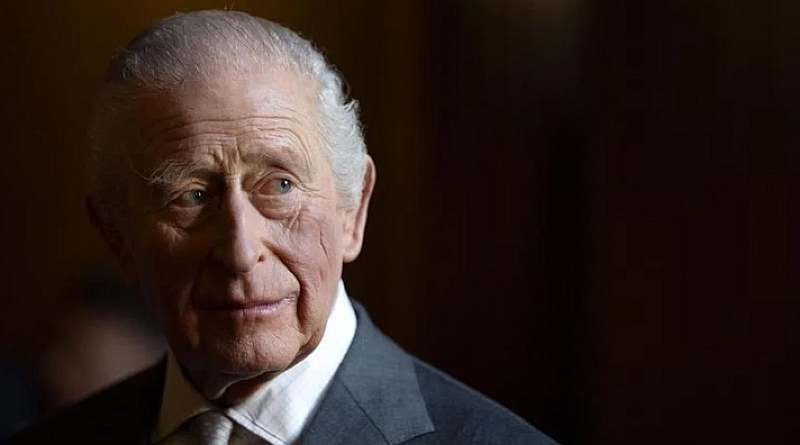
Therefore, it’s so amazing that I saw this image of the Ukrainian “deus ex machina” at a time when in the world, the very concept of justice seemed devalued, and we no longer expect miracles from those who could create them. We watch in horror as the president of the largest democratic country in the modern world boasts that justice is unnecessary for him and chats with dictators. We cling to the first available reason or opportunity to convince ourselves that justice still exists. After the performance in Frankivsk, I watched the British monarch’s speech in the American Congress, realizing that the primary strength of Charles III was that no one dared to openly dispute the general truths he proclaimed from the high podium. So the king for a few minutes also became a “deus ex machina,” not one who can change something in our lives, but one who can assert that justice and truth exist without facing mocking denial of these basic things from the hosts. For our time, this is already a lot.
We are not the first generation in human history to live in a period of killing the gods and a deficit of justice. That’s why we must remember that all efforts to nullify justice and virtues eventually end in catastrophic defeat for those who try to deny the very essence of human existence. Because those who do not believe in justice and are convinced of the triumph of force (or will, if using the title of the famous Nazi film by Leni Riefenstahl) know how to destroy, but are not capable of rebuilding. Capable of promising but not capable of fulfilling. They may achieve tactical victories and even win elections, but they will always suffer strategic defeat along with those who support them.
And all this is because “deus ex machina” is not just a myth invented by someone at a writing desk. It is a law of life.
