
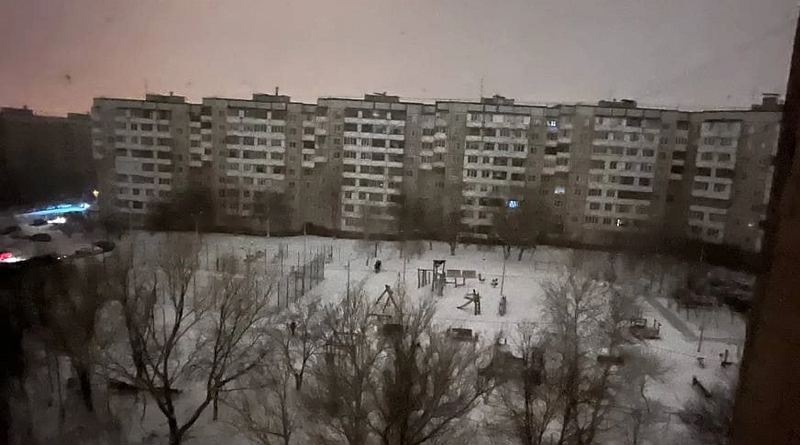
Alexander Bogomaz, the unchanging governor of the Bryansk region, cries out about “HIMARS” and long-range “Neptunes”. A funny character, “potato dad”—as his Russian “non-brothers” call him, a typical agro-oligarch. He is a constant builder of defensive strips and lines along the border, where in Russia astronomical sums are laundered. Bogomaz also constantly talks about “HIMARS” hitting churches to cover his backside and write off money for air defense and concrete. And yet, the 330 kV substation still burns. Vyhonychi is 110 km away, a bit too far for “HIMARS”, we still need to get to the border area, risking equipment. But “Neptunes”, the ordinary first iteration ones—that’s another matter.
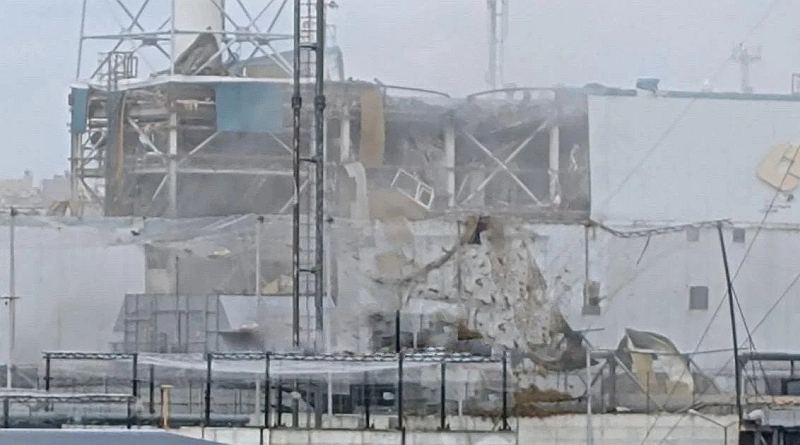
It’s clear you won’t be landing any troops near Odesa, you can’t even protect your submarine in Novorossiysk: you’ve holed up at the base, closed with booms and nets, and sit there, while oil tankers sail by, hugging Georgia and NATO country Turkey. “We are at war with NATO”, sure, just turn on Starlink for us, and Erdogan will cover us. Pathetically miserable.
Anyway, the first iteration of “Neptunes” has been in storage for several years, we’re making the next ones, and we’ll just use these older ones on your 330 substation in Vyhonychi. Together with strikes on Belgorod, and on the “Luch” CHP and substation.
Troieschyna sends regards, the cheerful “war game” from the TV knocked on the door. But that’s a side effect of the strikes. Even the first iteration “Neptunes”—that’s 150 kg of explosives, destroyed concrete supports, tires and switches evaporated, oil burned out. Serious damage, we’re expecting a new transformer in six months. They have a warhead weighing 150 kilograms and range, allowing them to strike deep into the rear.
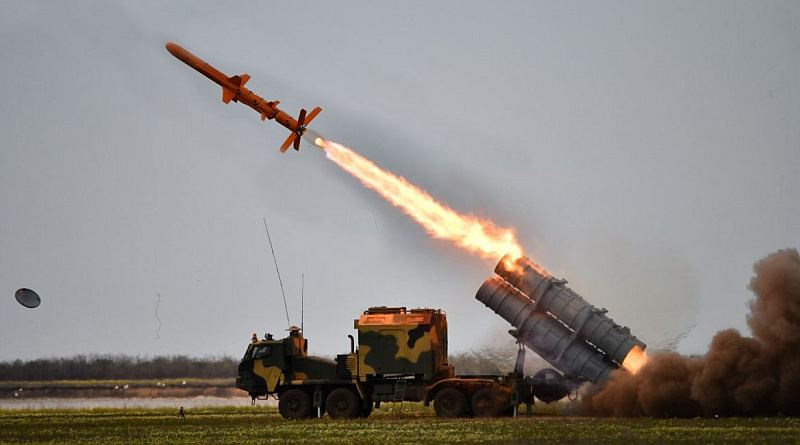
The modernization of the seeker head for engaging ground contrast targets (radio-contrast objects like large metal structures of substations) has turned these missiles into an ideal tool for infrastructure destruction. 150 kilograms of explosives—this is not a kamikaze drone that can only damage a cooling radiator. This charge physically annihilates concrete supports, ruptures transformer oil tanks, and turns complex electronics into a heap of melted scrap. Using “naval” missiles against ground targets is a rational utilization of old ammunition with maximum economic damage to the enemy.
Of course, it is economically pleasing: there are many warehouses in Pochep that need climate control, there is a huge “Miratorg” factory that needs heating and electricity if one wants to eat eggs. For an industrial cluster like “Miratorg” in Pochep with its million poultry, the absence of stable voltage means a halt to ventilation, heating, and feed supply lines. These are colossal economic losses that fall on local businesses, forcing them to pressure the Kremlin. But more importantly—border isolation.
All electric locomotives have stopped—bring out the diesel locomotives. The “North” group is greedy, part of the resources now goes to repair bases, warehouses, assembly points for emergency vehicles, hospitals, and not to the frontline. The 330 kV stations are not a light bulb in the stairwell; this is the power that feeds the railway traction substations. The RF moves 90% of military logistics by rail on electric trains. There are few diesel locomotives, they are slow, pull fewer cars, have lower efficiency, and consume scarce diesel fuel. One electric locomotive pulls six thousand tons, a diesel locomotive at best half, and the speed drops by half. A train standstill means millions in losses for every hour of delay, it disrupts supply chains. Mechanics, doctors, emergency services—all are busy saving the pipes, not servicing the invasion army.
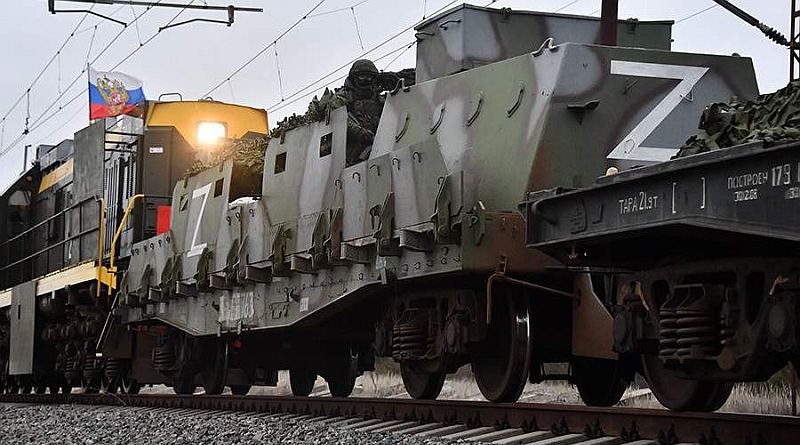
We are not terrorizing civilians, we are disconnecting logistics from the power grid. 400,000 without power is a side effect. Yes, it’s pleasant, but still a side effect. The main thing is the dozens of convoys that are not going anywhere. The main thing is the vast rear area now powered by generators, and soldiers engaged in auxiliary work in the cold to make this border area somewhat functional. This is the soft underbelly. When we hit Belgorod and Bryansk, the Russian General Staff must deploy “Pantsirs,” “Thors,” and S-300s there—perhaps from Moscow, perhaps from the front line, perhaps from refinery cover. We force them to expose other directions. Less air defense there means easier targets for our long-range drones and truly long-range “Neptunes.”
Belgorod and Bryansk are rear hubs where damaged equipment is repaired so it doesn’t have to be hauled to the Urals, where supplies are amassed before being sent to the “zero” ground. Tackling logistics here is easier than intercepting concentrated shipments in the final kilometer. Without power, repair bases, welding, cranes—all come to a halt. It’s saved time and money. Putin wanted to create a sanitary zone on our side, we’re doing the opposite—making life unbearable for their formations in the border areas. It’s hard for troops to cover the border without water, power, and heat, let alone amassing forces for a deeper advance. We’re disrupting their pace and forcing them to take care of themselves.
Plus, transformers are expensive. A 330 kV transformer is a custom item, costing 3-5 million dollars each, and takes 9 to 12 months to manufacture even in peaceful times. Because of sanctions, they can’t directly buy from Siemens or ABB, gray imports inflate costs multiple times and add another six months. We’re knocking out their equipment faster than they can manufacture or import it through China, as no one will gift them anything. Aggressors freezing Kyiv are supported by equally frozen regimes with limited resources. And, of course, there’s demoralization: 400,000 sitting in darkness is the same demilitarization and the word that goes “according to plan.”
But again: we are not terrorizing civilians; we are cutting off the arteries through which resources flow to the front line. And Bogomaz is crying because his agribusiness is suffering. Will you show us the remnants of “Himars,” potato tattoo? And long-range “Neptunes”? Because the collective farm laughed at it all.
On the cover: Blackout in Belgorod. Photo: TG Belgorod
