
The Russians are still fighting according to Soviet World War II manuals, trying to encircle Ukrainian units in “cauldrons.” In the summer, the enemy attempted this trick in the northeastern part of Kharkiv during the “Bear’s Corner” operation—and even managed to report “victory” to Putin. Instead, the Defense Forces responded with an asymmetric counterstrike, “Bear Trap”, which not only removed the threat of encirclement but also returned 204 km² of territory to Ukrainian control.
Our enemy remains a proponent of the Soviet military school, which during World War II created and conducted dozens of encirclement operations, and therefore the mechanics of such actions are well-developed.
The exact number of such operations conducted is unknown because the concept of “encirclement operation” includes both large strategic operations (front-level and involving multiple fronts) and smaller-scale ones. In 1944 alone, the Soviet army conducted about 15 such operations. In 1944-1945, out of 32 major offensive operations, encirclement was used in 24 instances (often by forces of several fronts). Encirclement became one of the main forms of operational art of the Soviet Army after Stalingrad.
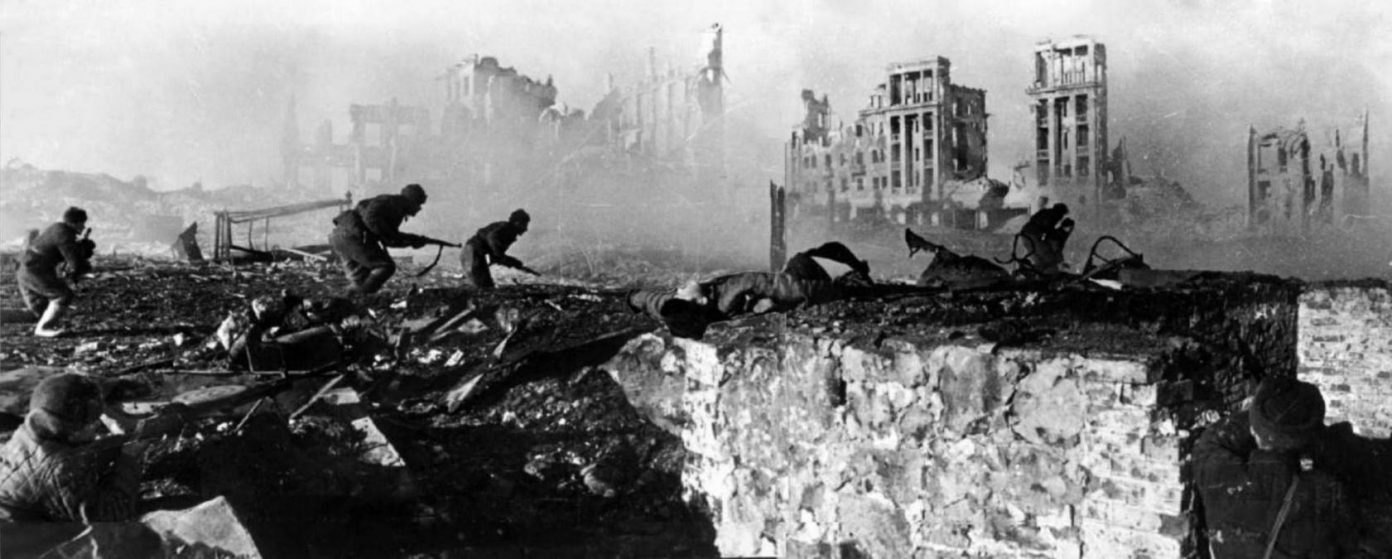
The most successful and significant operations were “Uranus” and “Ring” in November 1942 – February 1943 (Stalingrad. Encirclement of 22 divisions of Field Marshal Paulus’s 6th Army and parts of the 4th Panzer Army. The operation remains a textbook example of double encirclement), Ostrogozhsk-Rossosh (January 1943. Encirclement of 13 divisions, which were defeated in nine days), Voronezh-Kastornoye (January-February 1943. Encirclement of nine divisions), Korsun-Shevchenko (January-February 1944. Encirclement of ten divisions and one brigade), Operation “Bagration” (Belarusian strategic offensive operation, June-August 1944. Several large “cauldrons” – Vitebsk (five divisions), Bobruisk (six divisions), Minsk (about 20 divisions, effectively destroyed Army Group “Center”), Lvov-Sandomierz (July 1944, Brody cauldron, eight divisions encircled near Brody, including the “Galicia” division), Jassy-Kishinev (August 1944. Encirclement of 18 divisions of Army Group “Southern Ukraine,” which was almost completely destroyed in a few days. Direct consequences – Romania and Bulgaria’s exit from the war, rapid Soviet advance in the Balkans), Budapest (late 1944 – February 1945. Prolonged encirclement for nearly 50 days of large enemy forces in Budapest), East Prussian (1945. Several large encirclements – Heilsberg fortified area, Samland Peninsula, Königsberg, approximately 32 divisions trapped).
The Stalingrad, Belarusian, and Jassy-Kishinev operations are still considered world models of operational art.
It is not surprising then that the Russians repeatedly attempt to use these tactics on Ukrainian soil.
On June 29 of this year, the enemy “North” forces, composed of the 18th and 71st divisions, breached the state border near the village of Artylne (Vilkhuvatska community of Kupiansk district, Kharkiv region). They managed to advance 12-15 km into Ukrainian territory towards Prykolotne. Simultaneously, the enemy attempted to break through from the west, from Vovchansk, towards Bilyi Kolodiaz, where they advanced 15-20 km. The goal was to close the “claws” near Prykolotne and cut off a tactical Defense Forces group (about ten battalions, up to 2000 soldiers, as estimated by the enemy. In reality, it’s not certain there were that many of our troops there at all).
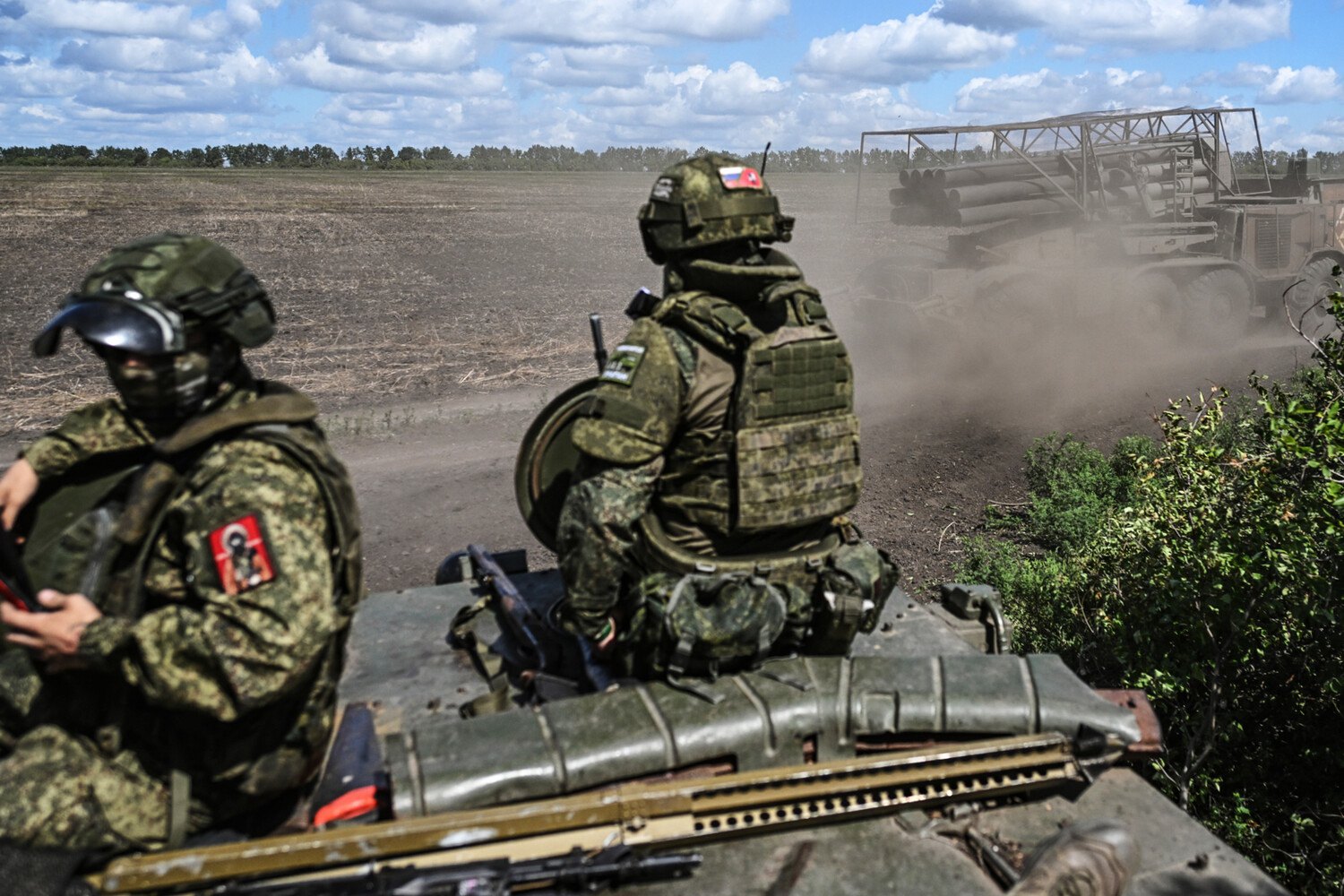
In July-August, the enemy’s 18th and 71st divisions advanced towards each other. There were battles near Artilne, Ustynivka, Ivashkyne, Shevyakivka. The enemy made advancements. The enemy lied with inspiration and regularity, announcing something about the capture of Bilyi Kolodiaz, but the 16th Army Corps of the Defense Forces stubbornly defended and was mindful of this informational wind. Our forces held Bilyi Kolodiaz, holding the enemy at a distance of 8-13 km from the settlement. Particularly amusing was the Russian AI-fake about a “flag deserter,” whose height, judging by the shadow he cast, was about six meters.
Around August 30, the enemy’s General Staff reported the “encirclement of the Ukrainian grouping northeast of Prykolotne.” The 16th Corps laughed and continued to fight like adults. A little later, the same Russian Armed Forces General Staff reported on the “elimination of the encirclement,” “liberation of 28 settlements and 461 km² of territory,” and “destruction of 1810 Ukrainian servicemen.” On October 16, two cheerful kamikazes, Commander of the enemy’s Northern Grouping General Yevgeny Nikiforov and Chief of the General Staff General Valery Gerasimov, reported this “success” and the completion of the formation of a “security zone” up to 30 km deep.
Meanwhile, Ukrainian analysts saw in these actions a classic attempt to create a “cauldron” by convergent attacks from the east of Artilne and west from Vovchansk through Bilyi Kolodiaz to defeat the Ukrainian tactical group on the northeastern border of Kharkiv region to expand the buffer zone.
Of course, there was no full encirclement, although the situation escalated to a critical point, and the supply routes of the Defense Forces were not completely cut off. Ukrainian counterattacks stopped the advance and partially cut off the Russian “wedges.”
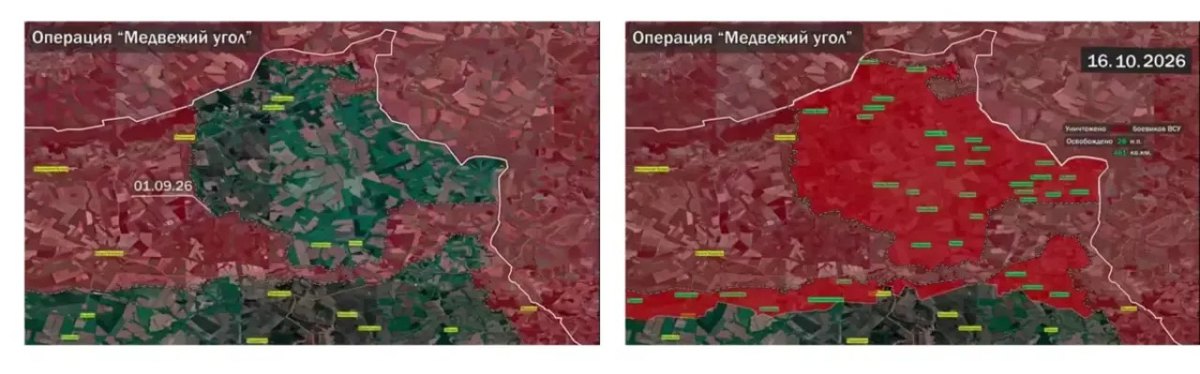
All this turmoil in the northeastern Kharkiv region was called “operation ‘Bear’s Corner'” by the enemy.
But not only the Lord has an exceptional sense of humor. Ukrainian officers from the units in the G3 vertical (operations management) do as well. And recently, we heard about the “Bear Trap” operation conducted by parts of the Defense Forces.
Let’s immediately set the record straight where it needs to be. The term “operation” in military art carries a specific meaning and must meet clearly formulated conditions. In the case of “Bear Trap,” we are dealing with a counterattack with certain assumptions (it does not reach the scope since it was conducted on a section 10 by 15 km, corresponding to a brigade attack, not an operation that starts with a corps). Therefore, by the word “operation,” we mean here a set of actions carried out by Ukrainian troops, not what is written in the textbook.
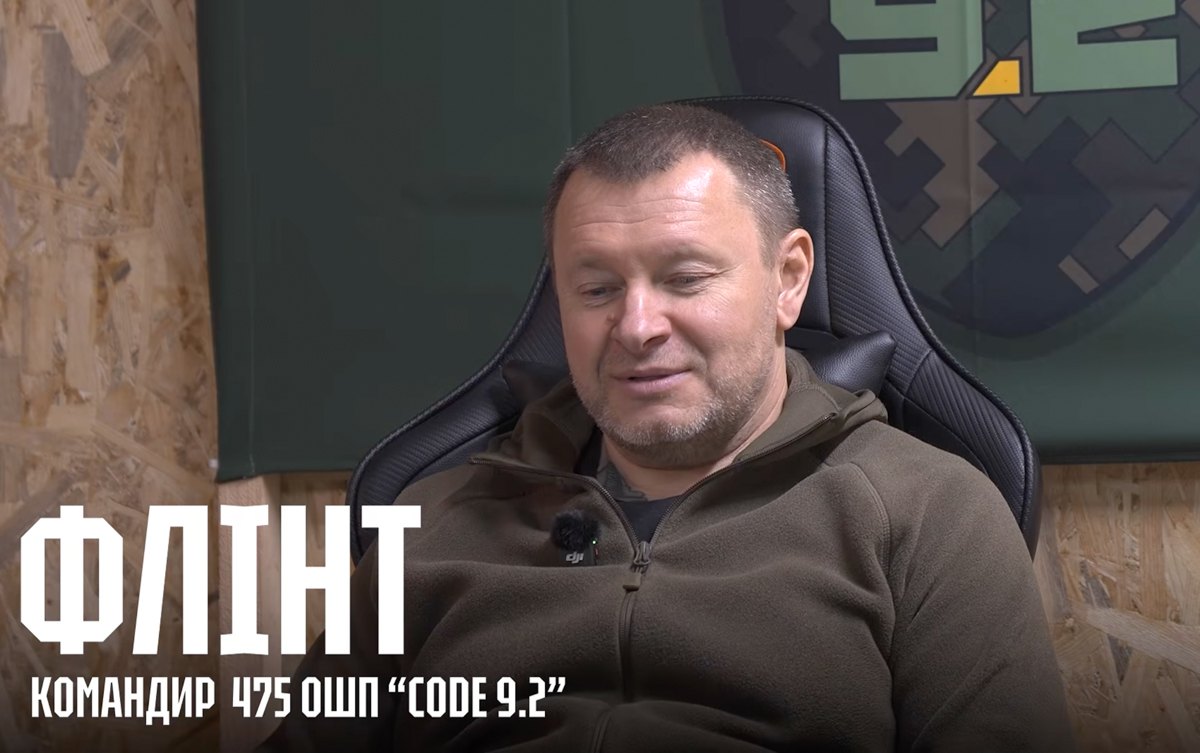
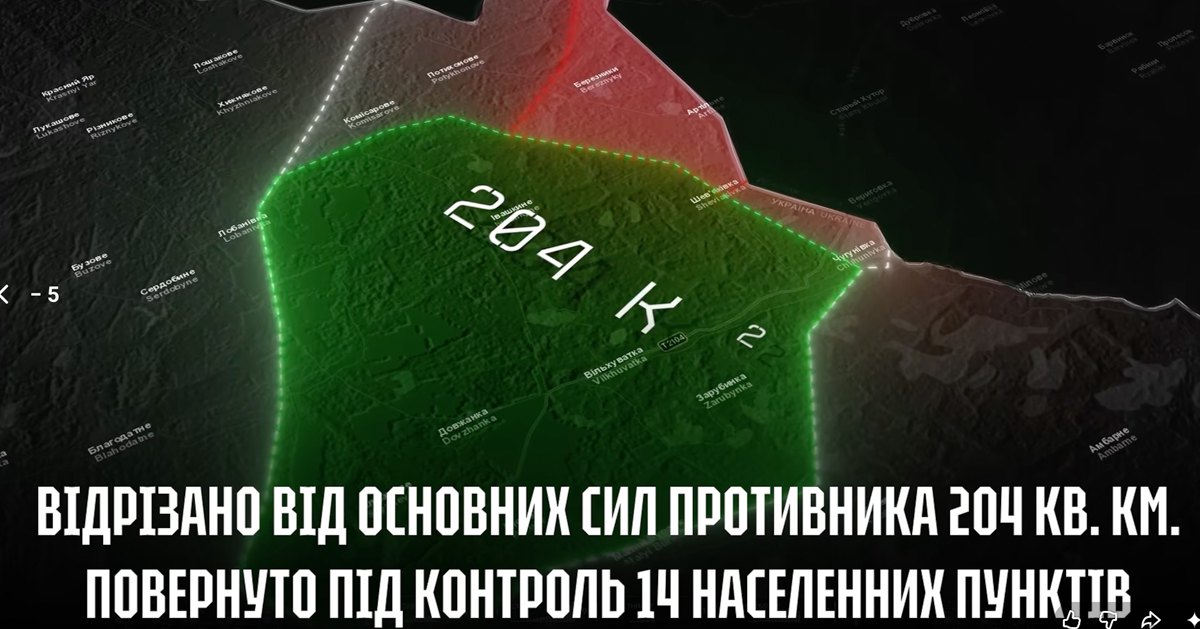
The 475th Separate Assault Regiment CODE 9.2 (Commander – Lieutenant Colonel Oleksandr Nastenko, call sign “Flint”), reinforced by units of the 120th Separate Reconnaissance Regiment, conducted an operation in the area of the village of Vilkhuvatka and adjacent settlements in September-October to disrupt the Russian plan of encircling Ukrainian units and eliminating the bridgehead formed by enemy forces in the summer.
To describe the events, we will use the conclusions of French OSINT analyst Clément Maulen.
The plan was to cut off the right “claw” of the Russian grouping (the salient near Vilkhuvatka) and prevent the pincers from closing. Lieutenant Colonel Nastenko executed an interesting tactical maneuver to divert the enemy’s attention from the main attack direction, utilizing the enemy commanders’ aversion to American Abrams tanks: one M1 and one T-80 (who in the dust and heat of battle can tell how many “Abrams” are coming?!) entered Vilkhuvatka via the central road and fired directly at shelters where enemy infantry was hiding. The panic was considerable. Reports of a battle of “Prokhorovka 2.0” scale flew in, and higher command perceived this uproar as the direction of the main attack. What should be done in such a case? Certainly not further reconnaissance, but immediately deploying reserves. As far as is known, our tanks with crews exited the battle without significant losses.
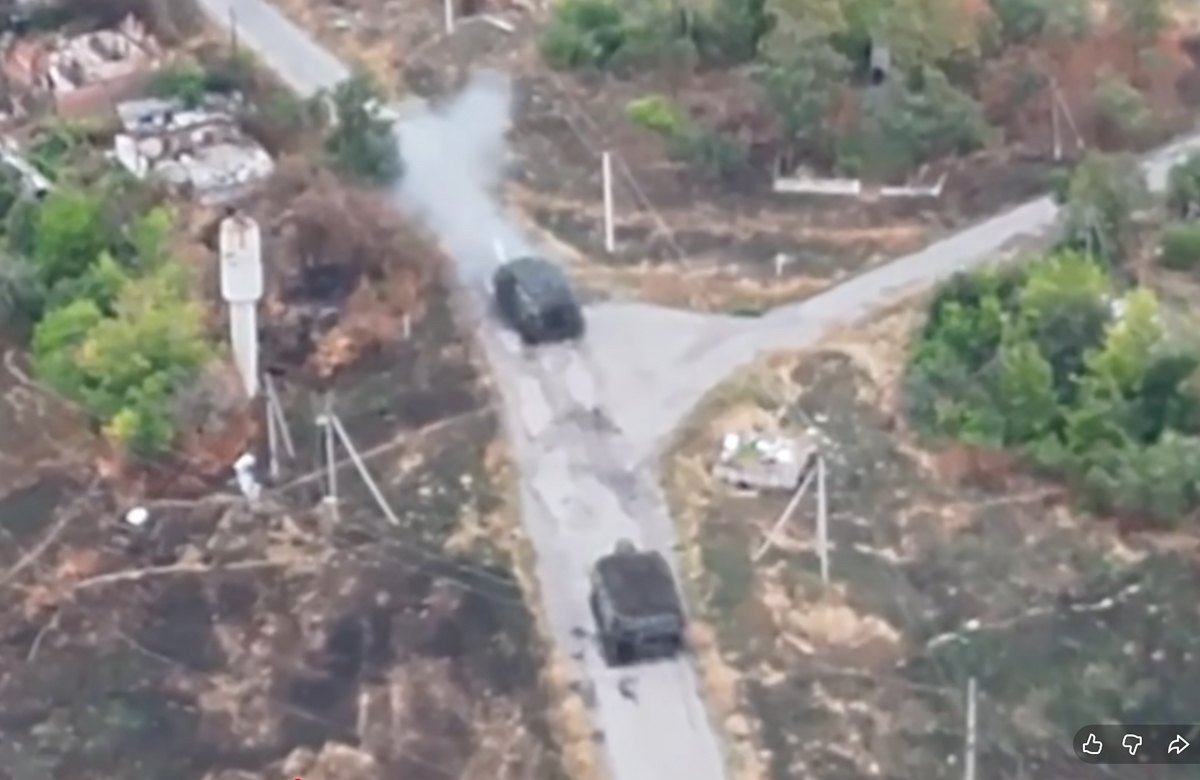
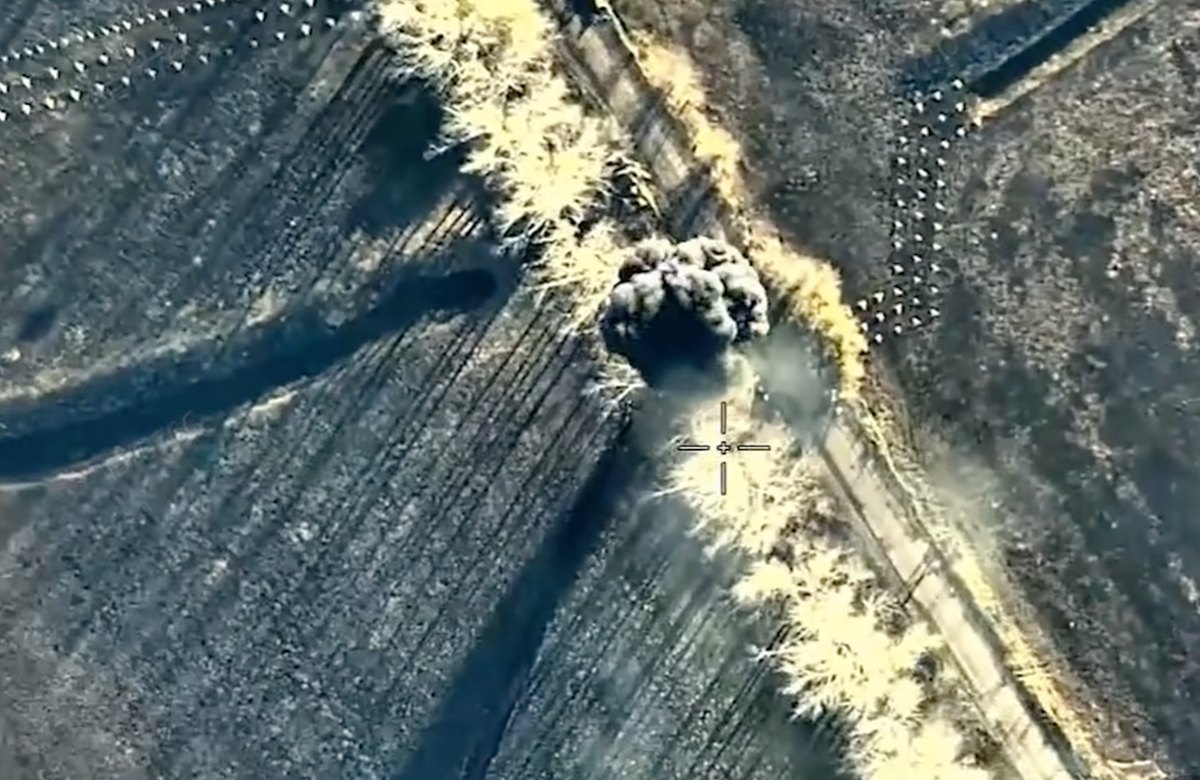
Reserves arrived and took their initial positions. This was exactly the moment our aviators were waiting for. They massively attacked with drones the concentration of enemy personnel, which was in the most vulnerable state: deploying, positions of UAV operators, and logistics. To prevent much movement towards Ukraine from the other side of the border, our artillery remotely mined routes in the direction of our forces to a depth of up to 30 km, thus blocking the approach of reserves from deep within Russia.
Only after this did the assault regiment begin its main task – assaulting. Its assault groups advanced from two flanks, bypassing Vilkhuvatka and encircling Russian units while simultaneously cutting them off from the main forces. The trap snapped shut. Then the assault troops began systematic clearing of populated areas.
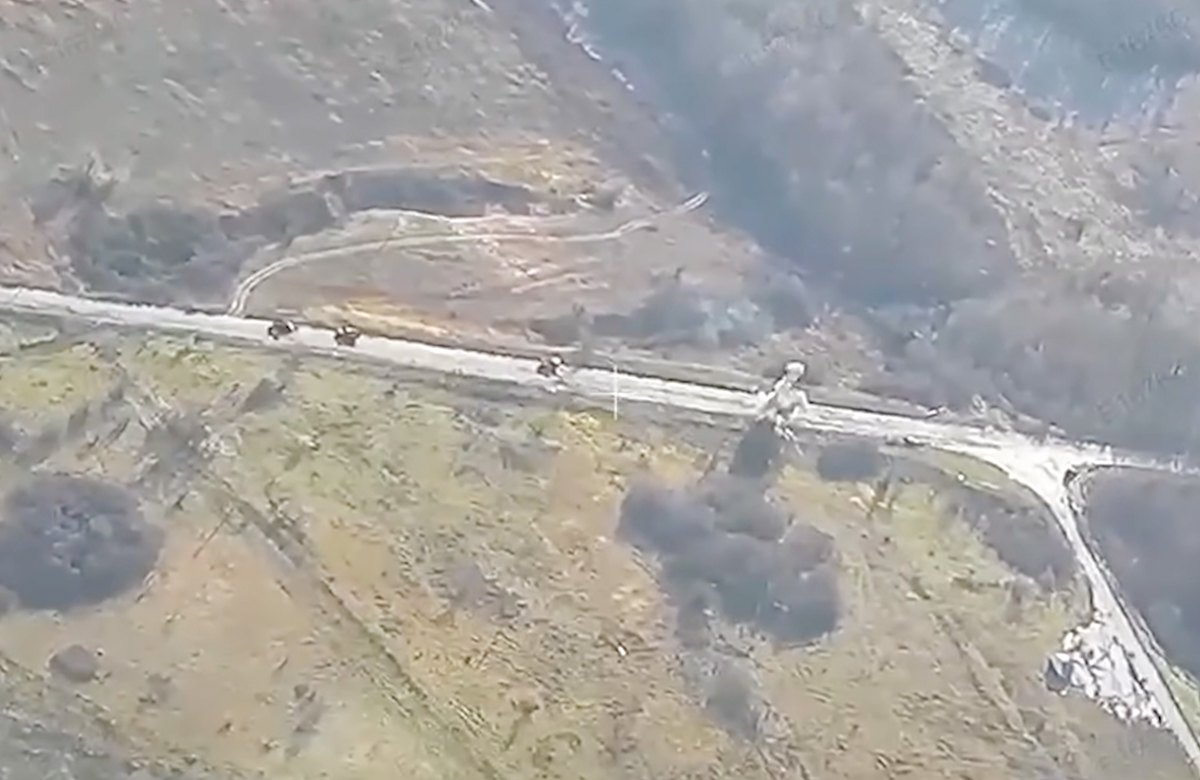
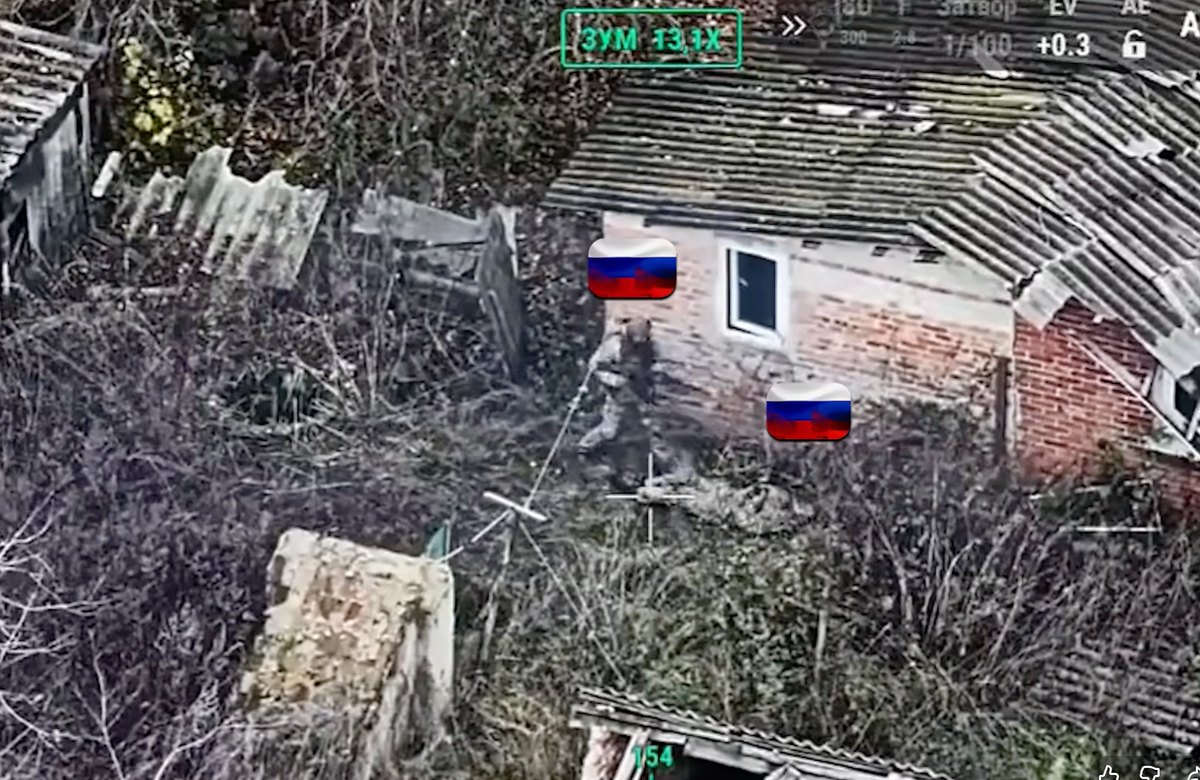
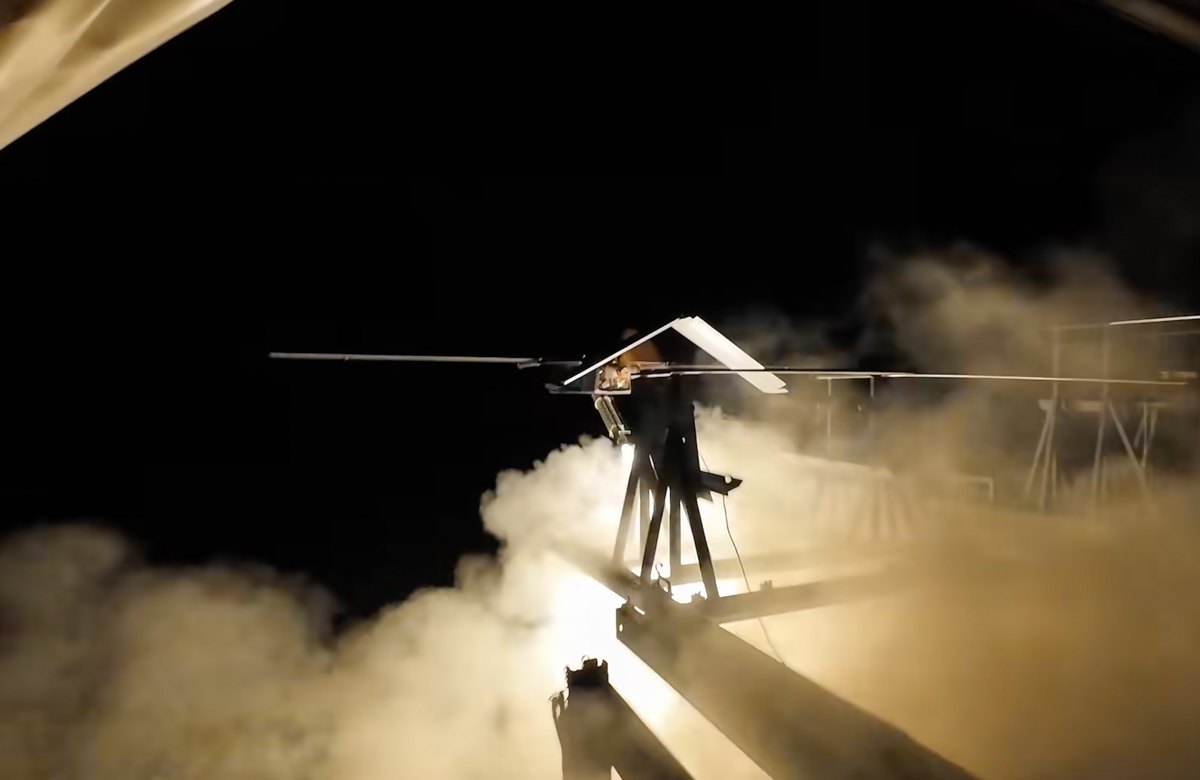
Mr. Molen highlights several stages of the operation:
- Massive fire strikes (including Vampire bombers) and mining of logistics routes.
- Attacks on logistics with FPV drones and middle strike drones. Notably, about 18 FP-2 (from Fire Point) were used to destroy command posts, rear bases, and troop concentrations.
- Feigned attack: two tanks with anti-drone “grills,” accompanied by FPV/Vampire/Mavic, for a “frontal” attack on Russian positions in Vilkhuvatka.
- Bypassing Vilkhuvatka and the enemy forces engaged in combat in the village with assault groups flanking to reach the enemy’s rear.
- Complete severance of logistics, destruction of enemy troops attempting to retreat.
- Clearing of enemy infiltration zones.
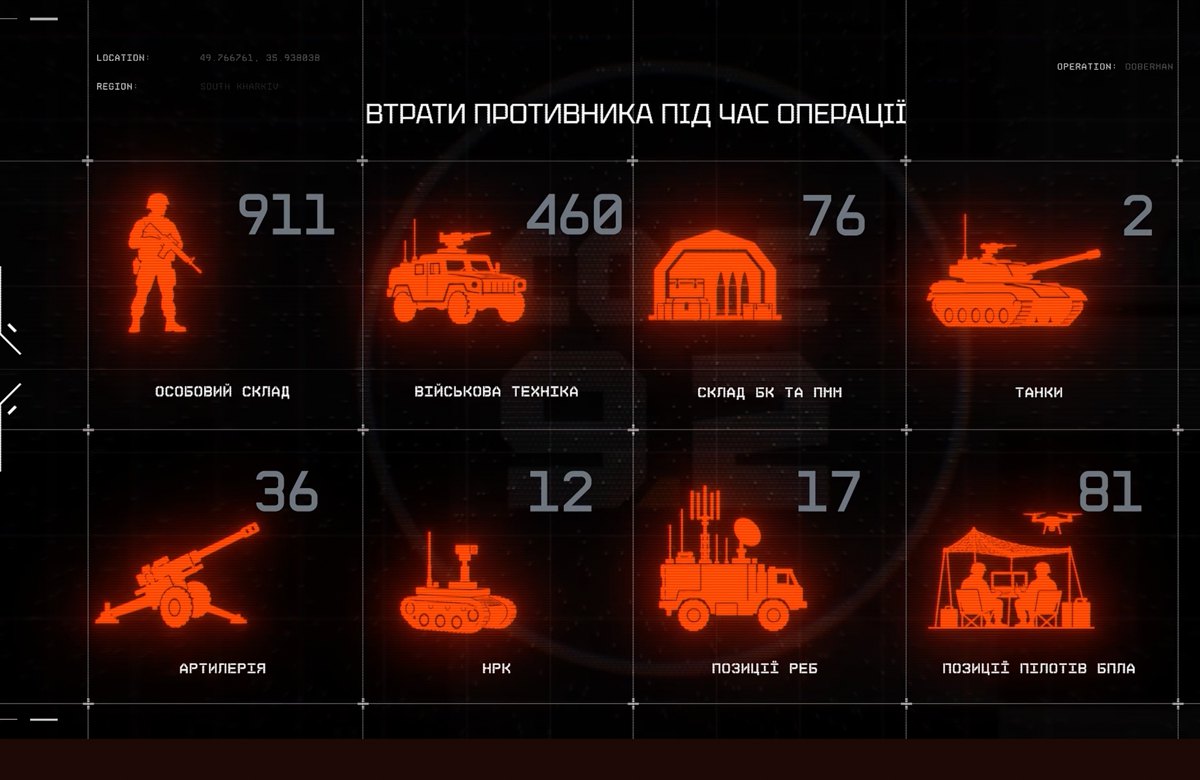
The operation lasted about three weeks. As of the end of November, 14 settlements (Komisarove, Shyroke, Chorne, Nefedivka, Shevyakivka, Vodyane, Dovhenke, Zarubinka, Ustynivka, Ivashkine, Aniskine, Vilkhuvatka, Dovzhanka, Chuhunivka, and others) were liberated, 204 km² of national territory were returned to Ukrainian control, about 900 enemy servicemen were destroyed, nearly 460 units of equipment, ammunition depots, electronic warfare unit positions, UAV control points, etc., were eliminated, the threat of encirclement of Ukrainian units was removed, and the situation stabilized. Seven air evacuations of wounded were carried out by drones from the combat zone.

Three important notes:
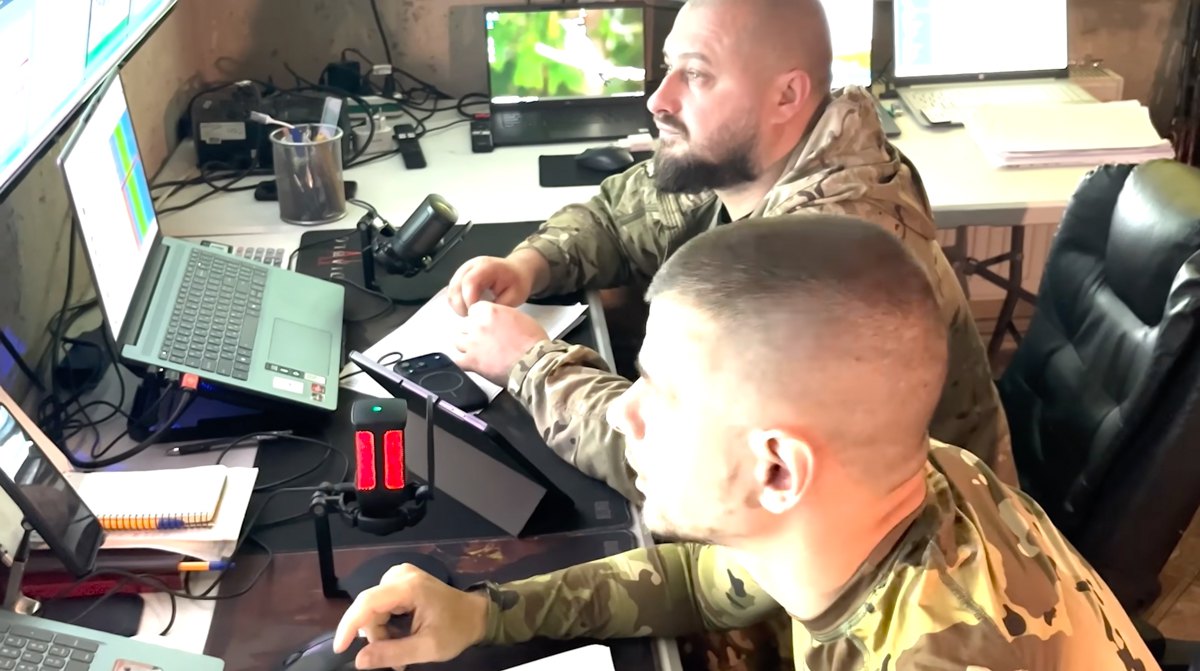
- The operation planning was handled by the multi-domain operations center “Phalanx” from the Joint Forces Command. What exactly “Phalanx” is remains unclear, as does the meaning of “multi-domain,” though operational staff units have been working at least since 2019. However, this undoubtedly represents a new approach to operational planning and likely attempts to elevate this process in the context of the comprehensive use of available forces and resources and the coordination of their actions in the information space.
- The operation was prepared in complete information silence, which has become a practical working standard for command posts since “Vivaldi.”
- Ukraine does not have an order to recognize the military talent of commanders such as Lieutenant Colonel O. Nastenko.
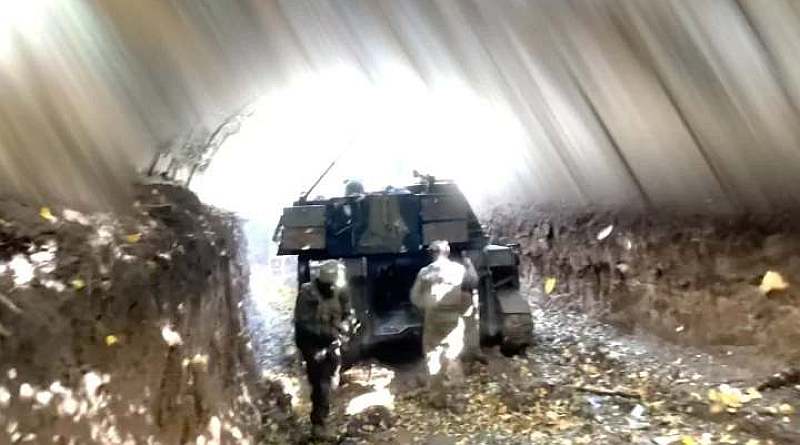
Cover photo: Operation “Bear Trap.” Photo: screenshot from Youtube video CODE 9.2
