
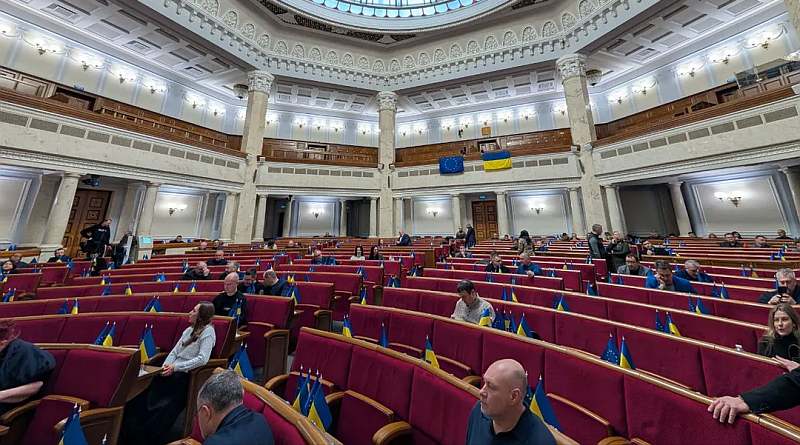

Finally read the interview with Andriy Motovilovets about the reasons for voting problems in the Verkhovna Rada. And frankly, at least a few theses expressed there surprise me.
1. About how deputies supposedly fear voting due to the activities of anti-corruption bodies, namely NABU and SAP.
But then a very simple question arises. Have you not tried instead of “collecting votes” to simply conduct a normal discussion on bills? Examine their essence. Discuss the pros and cons. Confirm the acceptability or unacceptability of each legislative initiative.
I know parliamentary practice well. And many times I’ve heard from the deputies themselves: such work is almost non-existent. Instead, something else often happens — not candid conversation with colleagues, but an attempt to quickly “collect votes.”
2. Why is the issue of the so-called “tax change package” not discussed with all deputies regardless of factions?
Has it not yet become apparent that the government has prepared extremely problematic bills? And the main thing — they far exceed the requirements stemming from agreements with the IMF.
If the real goal was to fulfill international obligations, earlier or even now it would have been possible to prepare new bills strictly within the requirements of EU directives and international agreements.
And then the discussion would be entirely different.
3. In the context of the story with the so-called “E-tank” (fuel cashback) even for those not very knowledgeable in budgetary policy, it became obvious: given the catastrophic budget deficit, such initiatives look at least strange.
Therefore, hearing statements that the government is supposedly able to offer effective solutions in the event of a fuel crisis seems, to say the least, highly doubtful.
Therefore, it seems that the leadership of the “Servant of the People” faction does not see the real reasons that are currently halting decision-making and normal voting in the Verkhovna Rada.
And these reasons are obvious.
Firstly, these are extremely weak bills prepared by the government.
Secondly, the inefficiency of many state institutions that should ensure the quality preparation of decisions.
Thirdly, the lack of normal dialogue within the faction itself and between the factions of the parliament.
If I am mistaken, then blame yourselves for not immediately setting up the work properly, without the so-called “collecting” through coercion or perks!
Photo: Maryana Bezuhla/Facebook
