
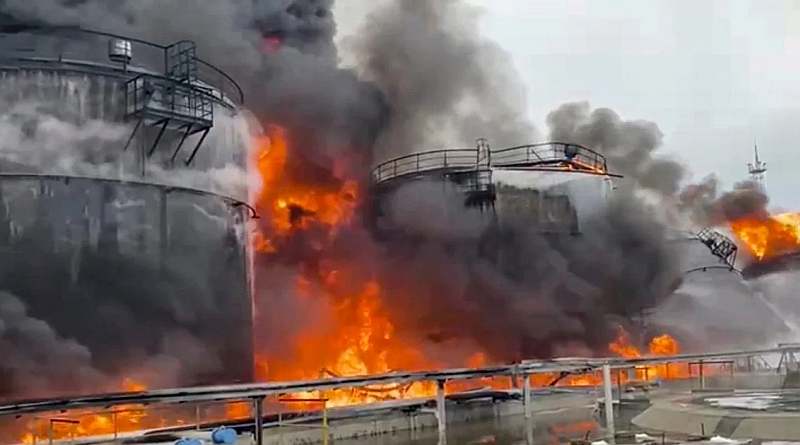
Somehow, the strike on the fat processing workshop in the Black Sea region, where we dismantled a hundred-meter building, went unnoticed. Yet it was a good operation. It nicely illustrates the concept of these “bottlenecks” in the economy that I’ve been talking about for months.
On February 15, the workshop (LLC “Food Ingredients”, part of the monopoly corporation “EFKO”) located in the port of Taman (Volna village), literally fence to fence with the “Tamannaftegaz” tanks, was dematerialized. This is a huge production-export cluster. The Kremlin regime invested billions there not just to transship oil and gas but to create a product of deep processing on site.
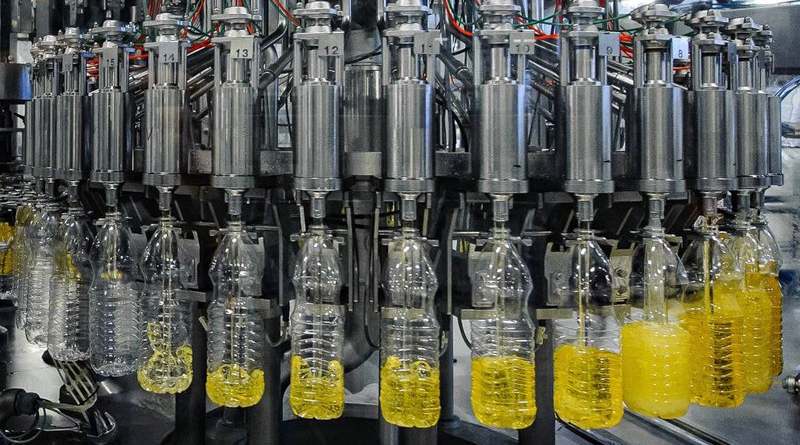
What are “special fats” and why are they needed in war? Special fats are a product of intense chemistry: fractionation, hydrogenation, and interesterification of palm and other oils. The workshops contain autoclaves and reactors operating under pressure and temperature. The output is hard fats, industrial margarines, and cocoa butter equivalents. What is their strategic value?
First, military logistics (individual rations, IRH). All army dry rations, crackers, canned baked goods with extended shelf life, and cheap chocolate that doesn’t melt in the Donbas heat are made solely based on these special fats. Destroying the workshop is a blow to the logistics of cheap, long-lasting calories for their 700,000-strong group. This is favorable for us.
Secondly, this is the base for the population: special fats are the foundation of all their cheap confectionery and bakery industry. A blow to production means a raw material shortage for the domestic market and a price hike. This playful war retaliates in three days, and we enjoy this.
Additionally, this is dual-use chemistry. Deep processing of oils provides a critically important “byproduct” — oleic acids and technical glycerin. And glycerin is the base for nitration (nitroglycerin, gunpowder, production of solid rocket fuels and weapon lubricants). A branch into explosives. I believe this is what led to the premature end of production. Our campaign with combat chemistry is in full swing — fats are it.
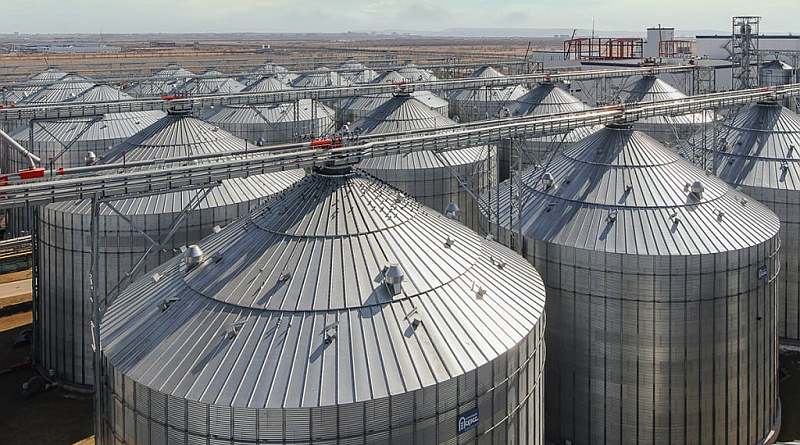
The technological trap is that special fats cannot be made in a garage. This requires huge 30-meter deodorization columns, crystallizers, centrifuges, and vacuum systems. All this equipment at the “EFKO” factory is pure import (Belgian De Smet, Swedish Alfa Laval). This is precision, custom equipment worth tens of millions of dollars.
When a warhead hits such a workshop, and inside there are hundreds of tons of heated oil under pressure, a massive explosion occurs. The area turns into an open-hearth furnace. The equipment doesn’t just break: due to temperature fluctuations, the metal of the reactors deforms, and the geometry of the beds and columns is permanently disrupted.
It is impossible to restore this. And buying a new line in Europe under sanctions for a systemically important enterprise in Russia is a task of fantasy. Chinese equivalents, if they exist at all, would require a complete redesign of the foundation and production processes of the plant from scratch. These are lost years.
Add here the domino effect in the “Volna” port. Because this plant is integrated into the infrastructure of “Tamanneftegaz” (where millions of tons of liquefied gas, oil, and ammonia are stored nearby), such a fire paralyzes the entire port’s operations. While the chemicals are burning, loading of tankers stops, tank cars are stuck in railway traffic, and exports freeze. Especially since it hit the tank cars too, and three of them burned. Piece by piece — quotes from great judokas.
Conclusion: we didn’t just burn their candy filling production line. We took out a unique high-tech chemical production node, which the Russians simply cannot replace right now. It’s a huge chunk off their balance, a hole in the food industry, and a colossal logistical headache. The corporation “EFKO” invested over 10-15 billion rubles into the development of the “Food Ingredients” cluster (and these investments were made in years when the dollar was 30-60).
Such a workshop, filled with European equipment, costs from $80 to $120 million. That’s just the “hardware” and installation. Everything burned because fractionated oil, when depressurized, creates a massive fuel-air explosion. The temperatures were such that the supporting beams melted into puddles.
Related losses include halting supply chains: this workshop was the heart of import substitution for confectionery, dairy products, and army rations. The withdrawal of such volumes impacts the market immediately. It’s a missed profit of tens of millions of dollars a year. The analysts did well — it’s hard to choose a better point for applying force. Sanctions deadlock means that Belgium and Sweden will not sell new autoclaves directly. Buying Chinese analogs or a workaround chain means at least 1-2 years of downtime. Port paralysis from a fire of this complexity stops all “Volna” logistics: ships are anchored, RZD slows down the trains, and freight penalties accrue by the hour.

Strikes like the one on this workshop or on the GRAU arsenal in Kotlubani, where the capsule storage with sea containers — likely North Korean missiles and shells — was hit, are the very quintessence of our tactics.
Satellite images have arrived: around 37 sea containers were destroyed in the capsule storage in Kotlubani. Several others were damaged. But why then such a strong detonation, evacuation of the village, and road closures? The logistics of rogue countries are peculiar: neither Iran nor North Korea transport missiles in factory “casing” (TPK). They are loaded into standard 40-foot sea containers. This allows them to be discreetly transferred from dry cargoes in ports directly to rail platforms, making them look like ranks of Chinese sneakers from a satellite.
Capsule storage at GRAU arsenals implies that such special imports are not lumped together with 152-mm shells. They are hidden in protected concrete capsule hangars in the sea containers to minimize risks and conceal them from Western intelligence. The physics of detonation explains everything: 36 sea containers with ballistics is a local-scale problem. One KN-23 missile weighs about 3.4 tons. Of this, 500 kg is the warhead, and the rest is high-energy solid fuel. When a drone pierces the roof and initiates even one container, the solid fuel detonates from the enclosed pressure. Instant sympathetic detonation of neighboring containers occurs. The explosion of 36 missiles together releases energy that seismologists record as an earthquake. The crater is substantial, and the local authorities were quite frightened — who knows what is detonating there, so they closed the road.
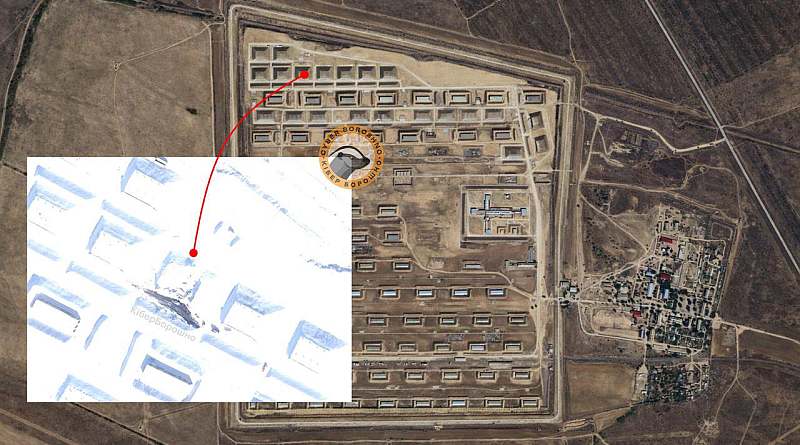
Conclusion: at Kotluban, we didn’t just dismantle a warehouse with old Soviet cast iron. We nullified the strategic reserve — 36 imported ballistic missiles intended to hit places like Kyiv, Dnipro, or Kharkiv. In Taman, we ripped out a chunk of the food and chemical industry worth hundreds of millions of dollars, which they won’t be able to repair quickly. This is the very crippling of the economy and logistics of war. Bottlenecks against the backdrop of a stream of money that is drying up.
