
No electricity in the houses, but there is gas. Why? How does it work? Texty.org.ua talks to Serhiy Makogon, former head of the state enterprise “Operator of the Gas Transmission System of Ukraine” (2019–2022), about the resilience of Ukraine’s gas network to Russian strikes, the current state of production and imports, and urgent steps for preparation for upcoming heating seasons.
Fuel independent of electricity
— How do Russian strikes on energy facilities affect the stability of our gas transmission system, and what measures can be taken to minimize these risks for the next heating seasons?
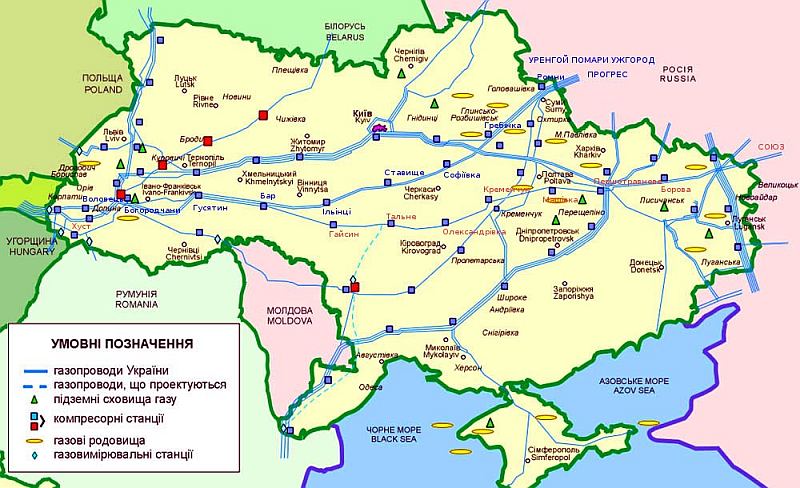
The gas transmission system of Ukraine is a complex network that includes not only high-pressure main pipelines (under the responsibility of the “Operator of the GTS”. — Ed.), but also low-pressure networks, i.e., regional gas companies, underground storage facilities. Each of these elements has vulnerable spots, but the system is designed with potential accidents in mind: it is branched, has alternative routes and reserve elements.
We have more than a dozen gas storage facilities operating in different parts of the country. Production is found both in the East and the West. There is also the possibility of importing gas from four European countries.
To major cities, including Kyiv, gas comes from various directions.
There are also ring pipelines similar to bypass roads. Therefore, completely disabling the GTS is very difficult.
In my opinion, the strikes will likely target not the gas transmission infrastructure itself, but enterprises that consume gas, such as CHPs and TPPs.
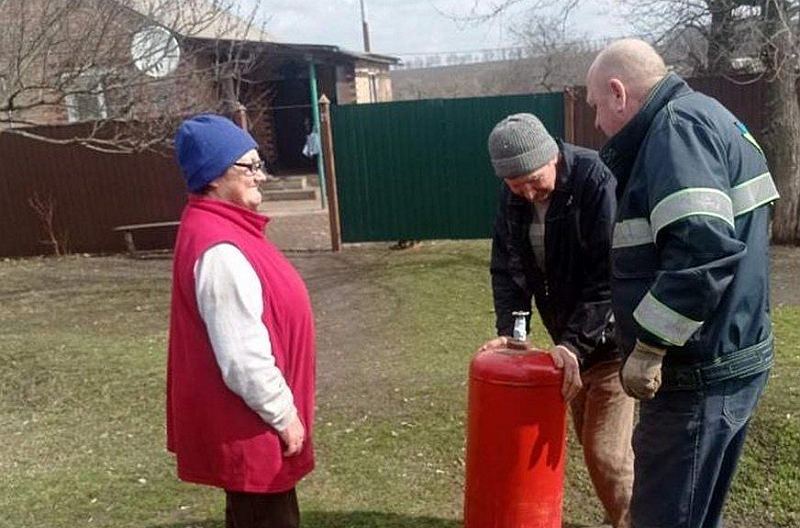
Moreover, gas supply is almost independent of electricity. The pressure in the system is created by gas turbine units, which use gas as fuel for operation. Even when cities are without electricity, gas is usually always available.
— Has Russia’s strikes managed to halt Ukraine’s gas production?
Immediately after the attacks, production significantly decreased, but it has been fully restored. According to public data, around 50–52 million cubic meters are being produced daily. Everything is working in both the East and West of the country.
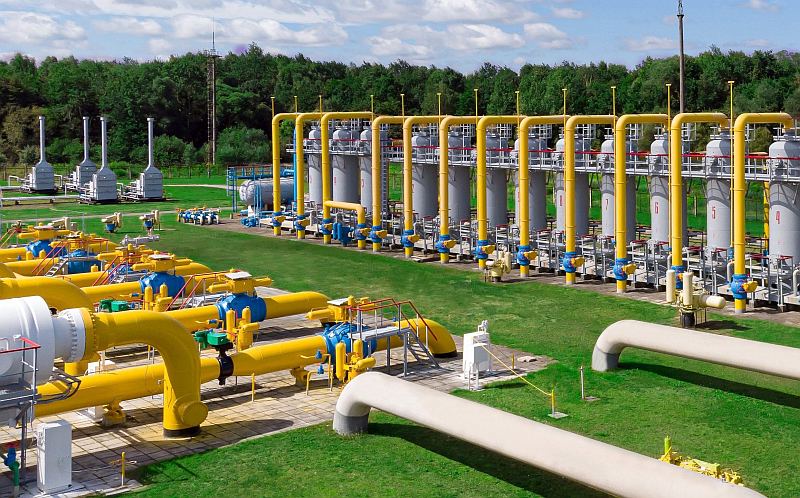
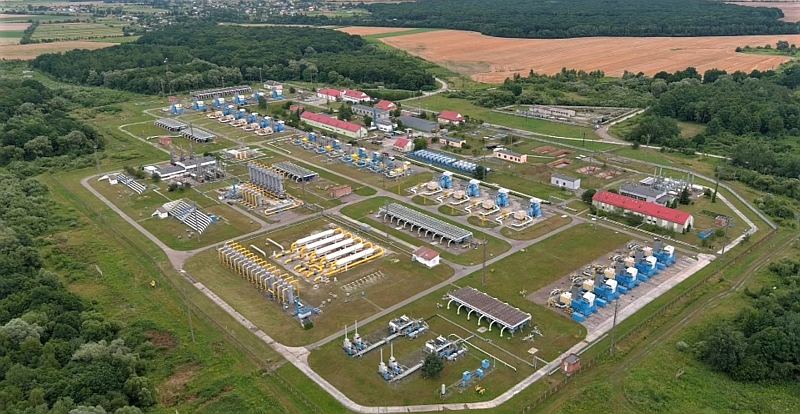
The Russians targeted gas storage facilities and surface compressor stations, along with gas collection points near them. The storage facilities themselves are located underground at a depth of about two kilometers—making them practically impossible to hit by any means.
The surface facilities were not critically damaged. Moreover, there are many of them, and their functions are duplicated, interchangeable.
Despite more than ten waves of shelling, the storages are operational.
To understand: gas is primarily withdrawn from the storages during peak consumption when domestic production and imports are insufficient. Currently, the country is pursuing constant imports, reducing the need for additional withdrawals from the storages.
The “special obligations” trap
— How much gas is the country importing and what are the forecasts?
Ukraine has always imported gas (prior to the full-scale invasion, 10–15 billion cubic meters per year. — Ed.). This is nothing new. Currently, around 20–23 million cubic meters are imported daily. Over 6 billion cubic meters have already been imported this season.
In May, gas injection for the next winter will begin. The volumes will likely not be less, and imports for security reasons will even increase. However, I think the strategy will change: there will be a greater focus on constant import from several directions simultaneously: Poland, Slovakia, Hungary, Romania.
The main problem is not in the infrastructure for import but in the availability of money.
— Let’s talk about money. What’s the essence?
Naftogaz fulfills the PSO—public service obligation, a state price regulation mechanism. The company supplies gas at a low price for the population (7.96 hryvnias per cubic meter), for district heating companies, budget institutions, and gas power plants. Meanwhile, abroad, Ukraine buys gas for 28–32 hryvnias per cubic meter. Naftogaz incurs losses.
Currently, there is no critical need to raise the price of gas for the population and district heating companies—Ukrnafta’s and Ukrgazvydobuvannya’s own production is sufficient for their needs. But all other categories need to be shifted from regulated prices to market prices.
— What does this mean?
All consumer categories, except for the population and utilities, should buy gas at its real price. Otherwise, Naftogaz will constantly be in debt.
The company needs significant budget injections to cover purchases from other countries. For this season, Naftogaz has already been allocated 8.4 billion hryvnias from the state budget. This does not take into account the loans and grants it has received from foreign partners.
I’ve already mentioned gas power plants: they were given gas cheaper because there were previously strict price restrictions in the electricity market. Now the price of electricity has significantly increased. Why continue to sponsor cheap gas? It turns out the state is financing the excess profits of power plant owners.
Energy Security: Global Dimension
— Until 2022, businesses saw potential in Ukrainian underground storage facilities, and you worked on this as well. How attractive are these storage facilities for foreign and Ukrainian companies today?
During the war, not attractive at all. Firstly, potential damage and, consequently, unscheduled repairs are deterrents. Secondly, at the beginning of the war, the Ministry of Energy banned exporting gas from Ukraine, even gas that belonged to foreigners and was on our territory. There wasn’t much of it, but this undermined our reputation. International gas traders consider that the war is our problem, not theirs.
In my view, demand for the storage facilities will return after the war, especially with the development of the liquefied natural gas market.
Ukraine can become an LNG hub: it will be delivered by sea from the USA to Poland, from where it will be transferred to Ukrainian storage facilities, and in winter it will be sold to Europe. This model works, but we need to wait for peace.
— You mentioned the countries from which we import gas. Should we reduce our dependence on Slovakia and Hungary due to the pro-Russian policies of their governments?
The strategy is currently limited: we buy gas “off the wheels” — for tomorrow or for the next month. The short-term market is very volatile: in two cold weeks in Europe, the price of gas increased by 40 percent. And Naftogaz is currently paying this price. Meanwhile, the big gas business is actually long-term. For example, Azerbaijan has signed agreements with Austria and Germany to supply them with gas starting in 2027 and 2028.
Ukraine needs 6 billion cubic meters of imported gas annually. For instance, we need to negotiate with the Americans or Qatar for 5–10 years in advance to import 2–3 billion cubic meters of LNG annually and reserve necessary capacities in Poland or Greece. This would significantly reduce its price and our dependence on Slovakia and Hungary. However, it all boils down to money and strategic planning.
— Why are there still no such long-term contracts? Who should develop the strategy: the government, Naftogaz, or private companies?
Private companies do not want to take long-term commitments because the rules can change every day here. Essentially, the only major player is Naftogaz. And they don’t even understand where to get funds for the next year, let alone for ten years.
The Inevitability of Tough Decisions
— Businesses pay more for gas than the population. Should the price of gas for consumers be raised?
There is no direct demand from the government. Nor is there one from the EU, including as a condition for EU membership. However, there is a discussion on this topic, and there is a demand for a transition to market prices.
Such a transition must occur alongside the introduction of subsidies for those who cannot pay. We’ve been through this before. In 2014–2015, the gas price was increased several times, and a powerful subsidy system was launched in parallel. And it all worked.
Containing prices during the war is understandable, but eventually, unpopular decisions will have to be made. Also, Ukrgazvydobuvannia needs money to at least maintain the current production level. Otherwise, there will be less Ukrainian gas and more imports.
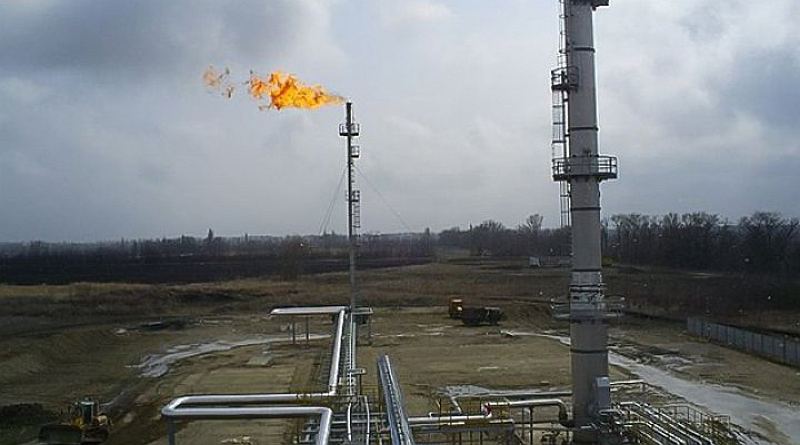
On the cover: One of the wells of Ukrgazvydobuvannia. Photo: zn.ua
