
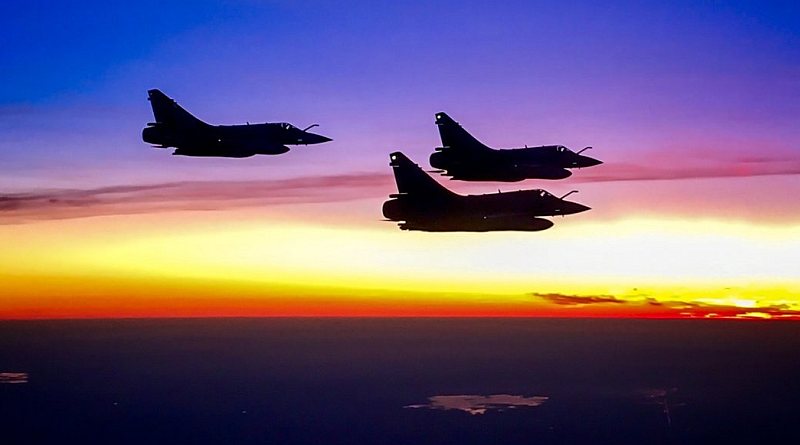
The situation with Mirage 2000-5 for Ukraine as of January 2026 has transitioned from the “promises” phase to the phase of active combat operation.
If the F-16 became our “workhorses,” then the “Mirage” is a sharp French “scalpel” for specific operations.
The recent promise of the French Ministry of Defense to deliver an additional batch to us is understandable — they continue to transition to newer aircraft, and for the EU, nothing is more important than ensuring we stand while Russia bleeds here with blood and foreign currency reserves.
How many are there and how many could there be?
France became the “lead player,” but other players are gradually joining the coalition.
As of now (January 2026), one full squadron has been delivered — 12 aircraft. Deliveries started in batches of 3-6 units, beginning in the first half of 2025.
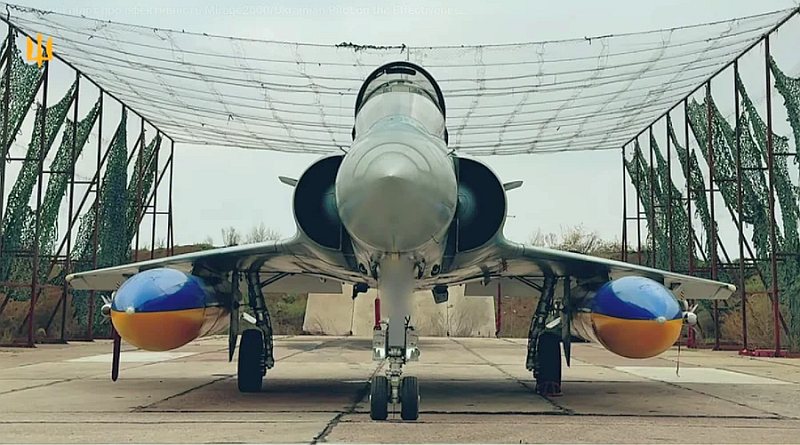
Officially, Paris confirmed readiness to deliver up to 26 aircraft (this is the entire Mirage 2000-5 fleet they are replacing with Rafale).
Negotiations to purchase an additional 24 Mirage 2000 units from Greece are ongoing. Greeks traditionally bargain, but under pressure from the US and France, the process is moving.
A realistic figure for which the Air Force of the Armed Forces can hope by the end of 2026 to the beginning of 2027 is about 40-50 units. It may not seem like much. But that’s two full air brigades. If we had procured aircraft this rapidly before the war, the first weeks would have been significantly easier.
Training is taking place at the Nancy-Ochey airbase in France. It was one of the fastest courses in the history of the French Air Force.
For pilots, the shortened course lasted six months: two months for general adaptation and theory, and four months for combat application and working with French armaments.
For the technicians, the training lasted four months. The Mirage 2000-5 is considered easier to maintain than the F-16, which was a huge advantage for our logistics services.
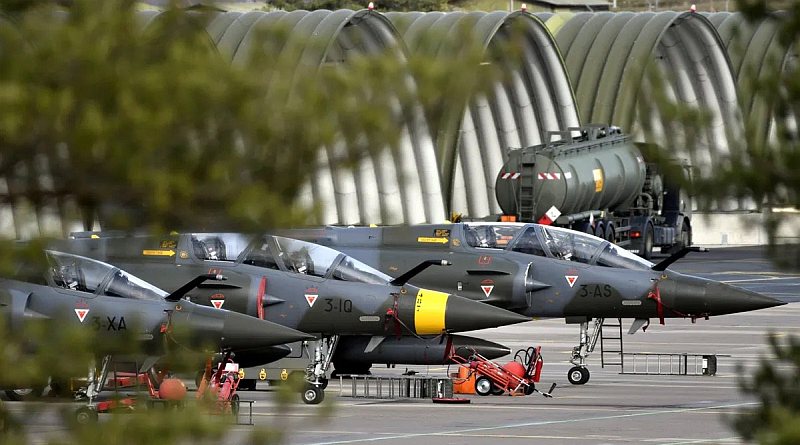
In the Ukrainian Air Force, the Mirage 2000-5 operates in several areas.
SCALP-EG (“Storm Shadow”) carriers: This is their main role. The Mirage 2000-5 was initially developed for these missiles. Unlike the old Soviet Su-24, the Mirage can program the missile directly in flight, which is critically important when changing target priorities.
This allows hitting moving targets—trains with important cargo, ships, the relocation of a pilot school that moved hours before the strike.
Of course, stationary tasks remain—one of the latest being the Bryansk Chemical Plant, where several “cigars” pierced the factory roofs and detonated inside. The plant suffered critical damage, halting part of the assembly lines for munitions.
France has already included an additional order for SCALP-EG missiles in its 2026 budget to compensate for those being transferred to Ukraine. This means the flow doesn’t stop, but we’ve become more economical, stretching fresh British batches over the winter. However, for example, the Novoshakhtinsk Oil Products Plant received a dozen “treats” on October 25, 2025.
Hunting “Shaheds” and cruise missiles: Thanks to the RDY-2 radar, which sees small targets against the ground, the Mirages have become the backbone of air defense in the western and central regions of Ukraine.
While there are no ground missions, with air-to-air missiles comes interception—this is a breath of fresh air for air defense, the resilience of our energy system, the ability to shoot down delivery means with limited terms, preventing the overloading of missile defense systems. Only advantages in the quality of air defense units.
Interceptor (Air-to-Air): They use MICA (IR/EM) missiles. This allows them to operate in “fire-and-forget” mode at distances of up to 60-80 km. Using EU weapons, not just those from the US, allows us to be more flexible and have more comfortable limits. This is the ability to keep the KAB launchers at bay, reducing the accuracy of the corrected bombs.
Precision strikes on the ground: Using AASM Hammer bombs. These smart bombs with a rocket booster allow hitting enemy command points 60-70 km from the front line. These include communication nodes, pilot positions on withdrawal, electronic warfare means, crash vehicle assembly points (destroying a workshop is invaluable), warehouses, etc.
This is not a panacea. But their radars and electronic warfare systems are quite good for our conditions.
However, in combat operations, the Mirage 2000-5 is focused on two key tasks: destroying strategic targets deep in enemy territory and intercepting cruise missiles and drones using modern radars that effectively detect targets against the ground. This makes them an indispensable addition to the F-16 fleet, providing the Ukrainian Air Force with the necessary flexibility and technological advantage in air operations.
An interesting fact: in January 2026, European media wrote about a dispute between London and Paris over which missiles are better and which should be financed through new EU credit lines. This is the best confirmation that both systems are still actively and successfully in use.
As a result, at the end of January 2026, France blocked the initiative for joint procurement of the Storm Shadow through the European Peace Facility. Paris insists on purchasing only French SCALP or their new Rodeur kamikaze drones to support its own industry (the same Renault case). But we are also receiving British missiles compatible with the Mirages.
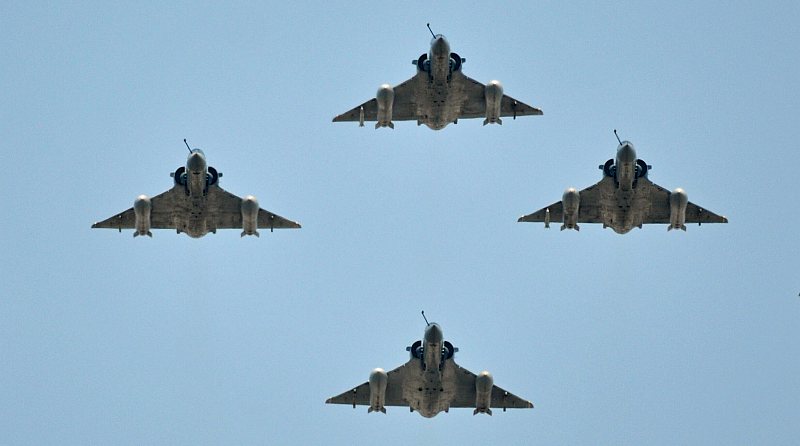
We can use non-modernized runways — the Mirages are less sensitive to the surface than the F-16s. European delivery means make us more flexible and allow us to wait out tensions during Trump’s term. If Russia increases pressure on energy, their ability to intercept Shaheds and cruise missiles is invaluable.
On the cover: Mirage 2000-5. Photo: French Air Force
