
Eric Schmidt, Financial Times / LB.ua
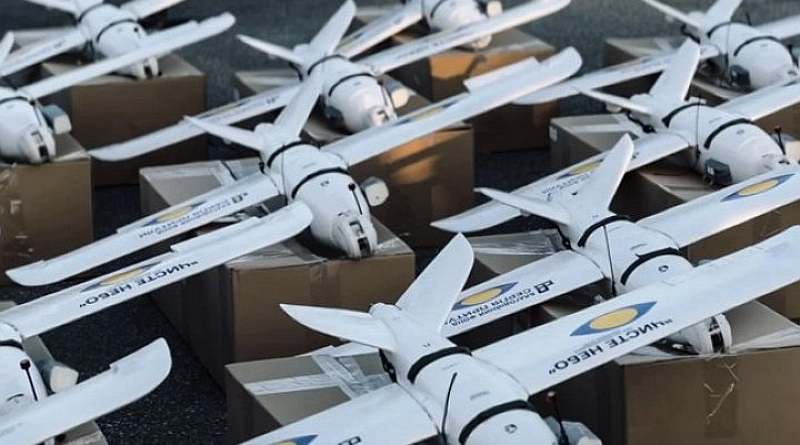
The publication Financial Times published an article by Eric Schmidt, former CEO of Google, head of the Special Competitive Studies Project, which invested in the development of military drones for the needs of Ukraine’s Defense Forces.
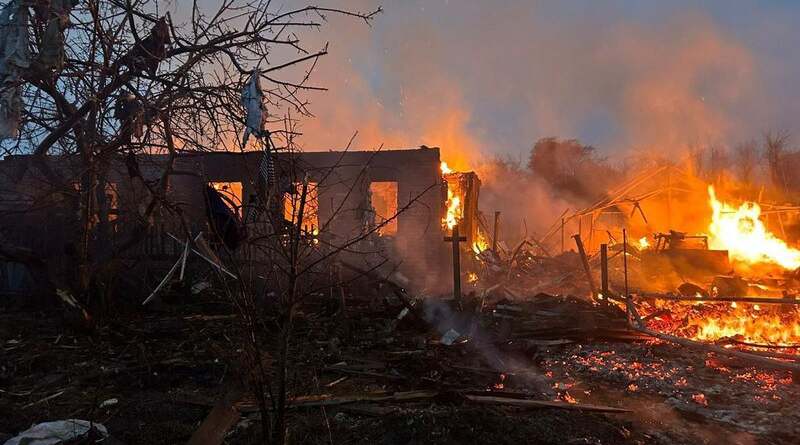
Approaching the fourth anniversary of Russia’s full-scale invasion of Ukraine, the country finds itself in the grip of a harsh winter. I recently visited Ukraine during the worst weather in the past five years, with temperatures dropping below -24°C. Ukrainian soldiers spend up to 40 days on the front lines without heating, while hundreds of thousands of civilians are forced to survive without electricity.
The ubiquity of drones—where almost everything moving on the battlefield, whether a soldier or a vehicle, is detected and destroyed—means Russia’s advances remain minimal. In 2025, it captured less than one percent of Ukrainian territory. Their slow, grinding advance is mainly carried out by small infiltration groups moving on foot or motorcycles through forests. The odds of being killed by a drone for those attempting to advance are about one in three.
However, Russian troops continue to press on, depleting Ukraine’s human resources, means, and will, even despite estimates by Ukrainian officials that they kill or severely injure 30,000 to 35,000 Russian soldiers each month. The Russian state’s tolerance of such losses undermines Ukraine’s reliance on attrition as a viable strategy. There seems to be no clear limit, no threshold, beyond which Russia will finally acknowledge defeat.
Russians are also adapting to the new era of warfare. Tactics developed by the elite drone unit “Rubicon” are spreading across the front. This includes the use of fiber-optic drones that are immune to electronic warfare measures and can target soldiers in trenches or tunnels even through forests and in bad weather. Russia has begun developing jet-powered Shahed drones, which are much faster and harder to intercept. In 2026, they plan to increase the use of Shahed drones to over 1000 per day to force Ukraine to capitulate.
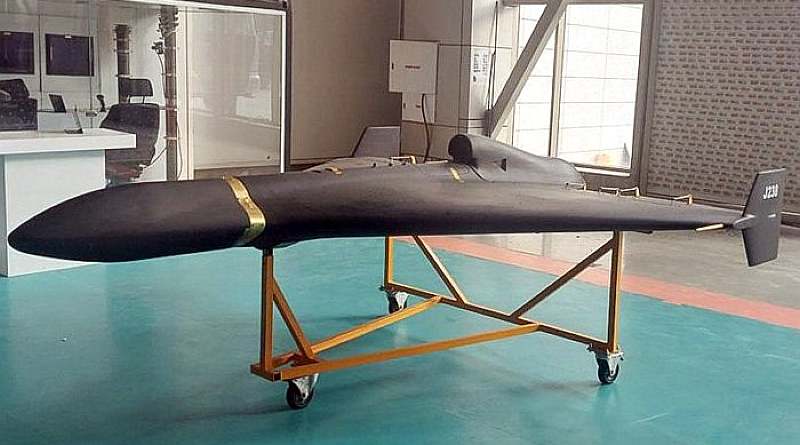
To counter this, Ukraine is creating the necessary systems to stay at the forefront of progress: reconnaissance drones (ISR), an extensive network of radars, and AI-based systems for collecting, integrating, and analyzing battlefield events and threats. I have been a longtime investor in defense technology companies, particularly in Ukraine.
This infrastructure means that Ukraine is ready for the next stage of war — with swarms of drones that are remotely controlled and increasingly automated with AI targeting. The “no man’s land” (gray zone) has expanded as each side pulls back its most valuable personnel from the front, while new generations of drones become increasingly long-range and deadly thanks to better batteries, sensors, and aerodynamics. Automating operations so personnel can work safely behind the front lines has become a pressing priority for Ukraine; in 2026, there are plans to move drone pilots even further from the front.
Future wars will be defined by unmanned weapons. The combination of satellite communication, which cannot be blocked, cheap networks, and precise GPS guidance means that the only way to engage in battle will be drone against drone. Drones exchange data in real time, meaning that many inexpensive platforms can act as a single weapon. They will carry air-to-air missiles to destroy attackers like fighters, but will be cheaper and more numerous.
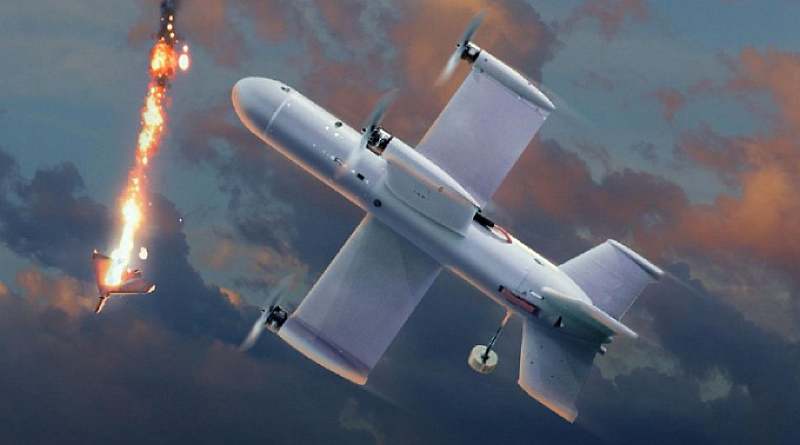
The winner in these drone battles will be able to advance with the help of unmanned ground and sea vehicles, which move slowly but can carry heavy payloads. These air, ground, and sea formations will take the first fire and expand the “impact zone,” which is becoming increasingly robotic. Only after the first waves of machines pass will human soldiers follow.
When the war in Ukraine eventually ends, the result may be a tense peace that provides Western countries with as many lessons as the conflict itself. In the future, along the demarcation line between Russia and Ukraine, a “drone wall” may be established, where ubiquitous automated drones will monitor the border like a “smart” electric fence. Since these drones are valuable targets for the enemy, they must be armed to repel attackers, creating a “hard border” that is many miles high and wide.
At the same time, ballistic and cruise missiles capable of extraordinary precision at much higher speeds than drones and incredibly difficult to shoot down will likely be deployed by the thousands on each side, maintaining the stalemate.
As Western leaders gather at the Munich Security Conference to discuss the defense of Europe and the world, they must realize: they are not yet ready for this new era of warfare. Ukraine demonstrates that conflict using ubiquitous autonomous weapons quickly exhausts current stocks of drones and ammunition. However, the current ability of the West to dramatically ramp up wartime production remains, to put it mildly, amateurish.
Mastering autonomous systems and the ability to produce such weapons in abundance will determine the outcomes of future wars. The West must learn from what is happening on the front lines in Ukraine, accelerate innovation, and build an industrial base capable of producing on the scales and speeds that the next conflict will require.
