
Olesya Zhigalyuk, BBC News Ukraine
The conflict in the Middle East could seriously change the political game of U.S. President Donald Trump, warns the British publication The Economist.
Trump survived the Capitol riot on January 6, 2021, and in 2024 won the elections again, increasing his share of votes. But now his presidency is in crisis.
According to the publication’s analysts, the “reckless and rash” war against Iran threatens his three main “superpowers”: the ability to impose his own reality, exert pressure on others, and control the Republican Party.
Trump vs. Reality
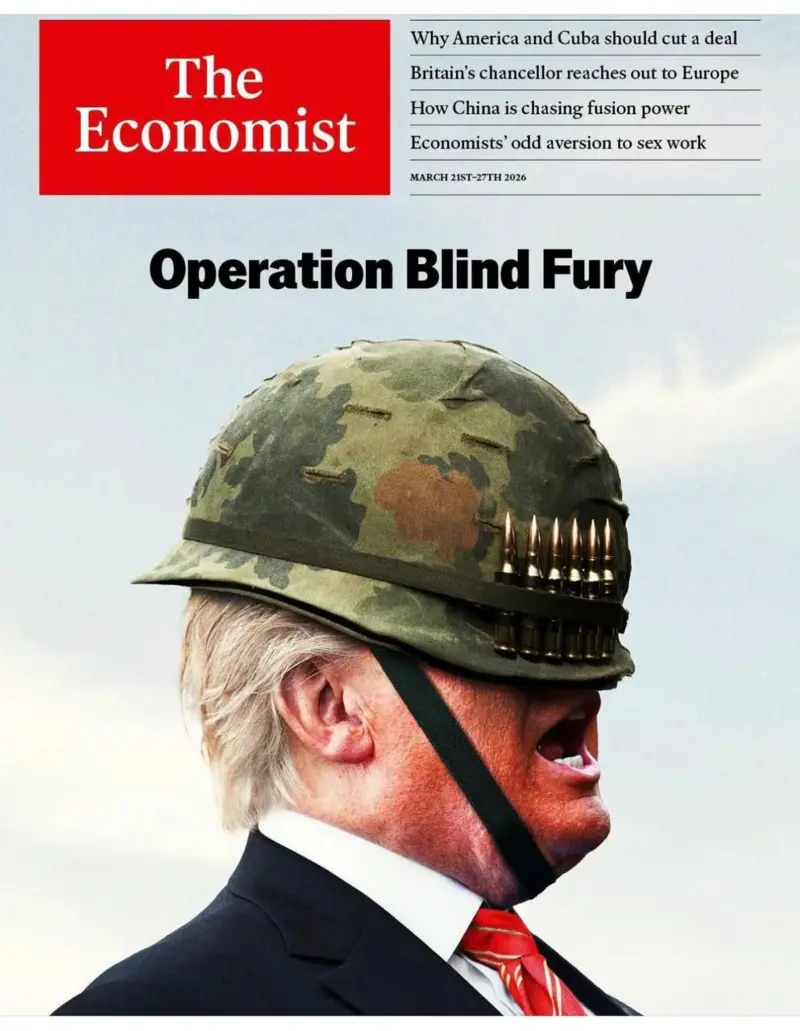
The President claims he “won” in Iran, but the reality seems different, the publication notes.
Iran cannot be defeated in the usual sense: despite the destruction and killings of high-ranking officials, the regime remains in place.
And about 400 kg of uranium suitable for nuclear weapons remain in the country — effectively “still at large,” emphasizes Economist.
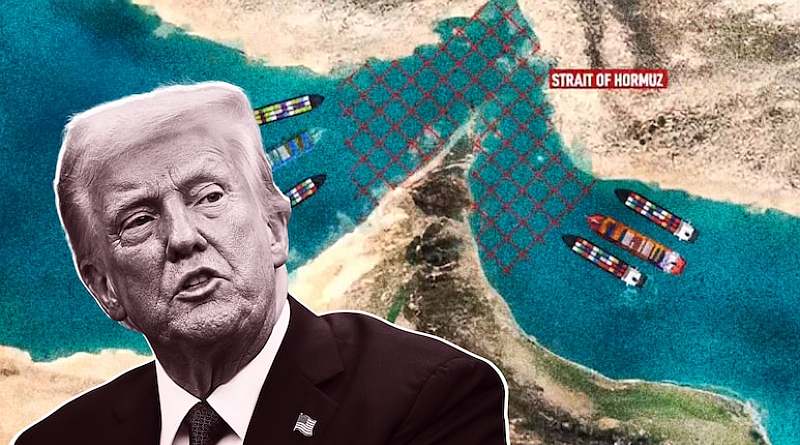
The publication also notes that Iran is waging a parallel war against global energy: attacks on ships in the Strait of Hormuz and on the infrastructure of neighboring countries are already affecting markets.
The price of Brent crude oil exceeded $110 per barrel on March 18 after a missile strike on a gas hub in Qatar.
“Time is on Iran’s side,” notes Economist, adding that the country’s authorities consider their strategy successful.
Allies Stop Listening
Another “superpower” of Trump — the ability to use international levers of pressure — is weakening, the Economist article states.
World leaders and NATO allies have already become accustomed to the tough manner of the American president and now resist him.
Meanwhile, Iran is accumulating its own levers: it uses the Strait of Hormuz as a tool of pressure and bargaining. And it’s working.
As Economist writes: even if Trump wants to end the war, Iran may continue the shelling.
If the Strait of Hormuz remains closed until the end of April, oil could cost $150 per barrel.
At the same time, according to analysts, Iran may demand more than a return to the status quo: lifting sanctions, withdrawing American bases, or restraining Israel.
As for Trump, he may choose one of two paths: escalation — for example, capturing Kharg Island, through which about 90% of Iran’s oil exports pass — or concession.
Control Over the Party Wanes
The last “superpower” of Trump — control over the Republican Party — is also beginning to weaken.
He came to power on promises to protect Americans from war and inflation, but reality has hit his ratings: 13 soldiers have already died, and ground operations in Iran or on Kharg Island could lead to new casualties.
Gasoline and diesel prices have increased by almost 25% since the inauguration, and accusations of “betrayal” are already voiced among MAGA supporters, particularly from Trump-loyal journalist Tucker Carlson.
Many Republican leaders also express dissatisfaction in private conversations.
As Economist notes, all these factors may lead to the party’s defeat in the midterm elections and weaken Trump’s influence on the next Republican Party leader.
Weak Trump — Dangerous Trump
Economist journalists warn: if Trump’s positions weaken, he may become more unpredictable and radical in both domestic and international policy.
According to the publication, Republicans risk losing control of Congress. This will further limit Trump’s influence.
If the war drags on, the president may seek “victory” in other regions or resort to harsher measures.
This could involve pressure on allies, a review of international alliances, or domestic actions: from media pressure to attacks on political opponents.
Economist emphasizes: even the end of hostilities does not mean immediate recovery. Energy markets, shipping, and the global economy will feel the conflict’s consequences for a long time.
Oil prices may remain high for months. Every day of a protracted war weakens the president’s position.
But, as the publication’s analysts highlight, Trump’s policy has always been based on victories. The weaker he becomes, the more unpredictable and risky his political course becomes.
