
So, did we hold off well? The enemy was unable to accumulate “Kinzhal” missiles by the end of the frost period — targets that are hard to intercept and only with the latest PAC-3 which cost $5–7 million each for the Gulf countries. They fired “Iskanders,” including Korean copies — I think there was an attempt to simply overload anti-ballistic missile systems. But a tranche from European partners arrived, including interceptor missiles. And the Defense Forces are working without prior strict limits.
Yes, there were hits on infrastructure, networks were interrupted, but overall, their plan for us to be without light and heat for five days did not succeed.
The Ceiling of “Shaheds” and Mobile Groups
We also see that the Russians cannot increase the number of “Shahed” strikes per day: currently, it’s 90–95 units, no more. The fact that they can sometimes accumulate 450–500 means nothing — on average, 90 are launched per day. There were already 140 and above. Probably, the problem is due to the Ayatollah regime’s bombings by Israel and protests, and due to our strikes on associates — manufacturers of heads, antennas, and engines.
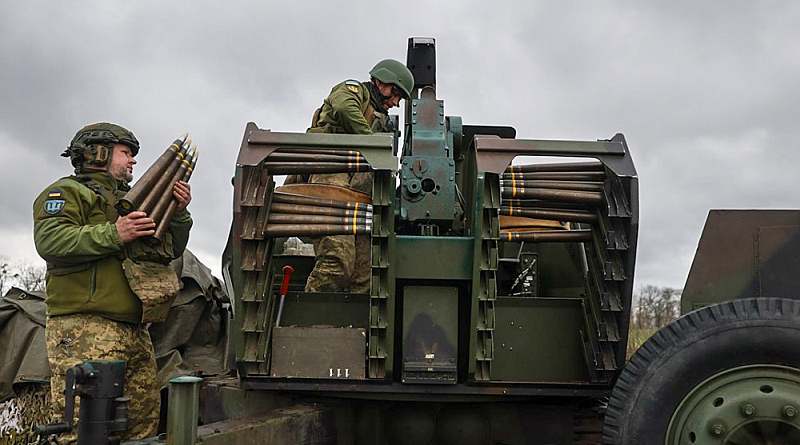
Overall, their bet on massive launches of cheap piston drones hasn’t worked yet, because air-to-air missile reserves in the West exist, F-16s are concentrated in a network of jump airfields across the country, and mobile groups, “Gepards,” helicopter teams, and interceptor drones significantly reduce the damage. If they had managed what they planned, we would already be in a deep blackout.
The Bet on Missiles Also Didn’t Work
The Russian Federation focused on several regions — Dnipro, Odesa, Kyiv, and the border, logically concluding that it’s better to cut off supplies to large cities and industrial centers than to try to collapse the entire Ukraine — they already understand it won’t work. They used target missiles to longer-range complexes in volleys: meaning they are firing palliatives and trying to overload the channels. All Kh-101s and “Iskanders” are deployed from freshly produced stocks — I think their reserves are minimal.

In 2025, Russia launched about 500 ballistic missiles at Ukraine — approximately 40 per month. At the beginning of the year, they were fired sparingly — 20–25 per month. However, in the fourth quarter of 2025, they launched nearly 200 within three months. So, they reached a rate of 60–65 ballistic missiles per month. This was likely their main strategy — to cause a total blackout during severe frosts with massive strikes.
We guaranteedly shot down 30% of the ballistic missiles. Some reached their targets but did not cause critical damage, either missing due to our electronic warfare or simply self-destructing.
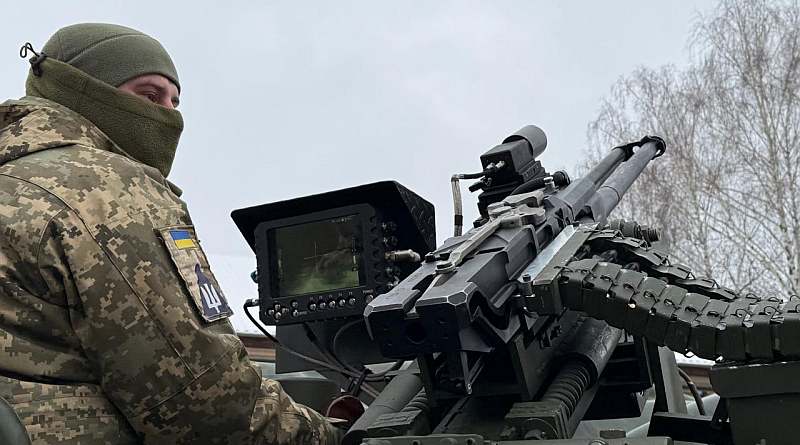
The Air Forces now regularly intercept most of the cruise missiles in the air with “Mirages” and F-16 jets. Naturally, the ground units with SAMs are also helping.
Overall, the plan to take out our energy system with 30–40 hits is madness. Ukraine’s unified energy system was built as the backbone of the Warsaw Pact for transferring gigawatts of power to Europe. To dismantle a system designed for a Third World War, it’s not enough to break through a thermal power plant’s machine hall roof or destroy a few substations.
They would have to simultaneously and irreparably destroy dozens of open distribution devices and unique phase-assembled autotransformers weighing 200 tons each, through which the base load from our nuclear power plants is released. And prevent us from repairing them — targeting construction sites and production plants for months.
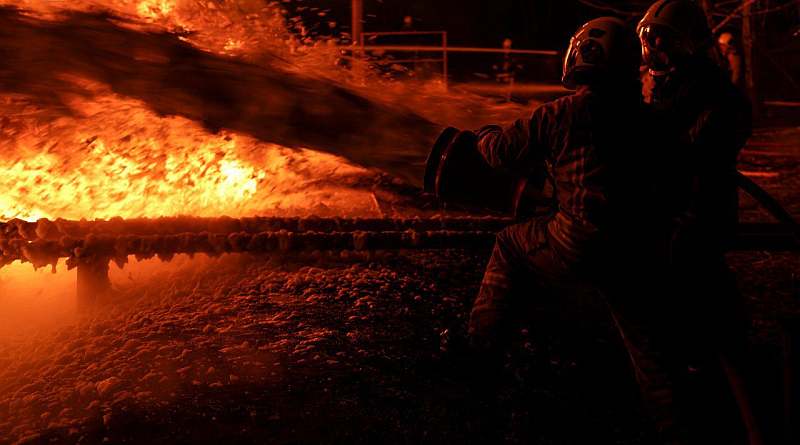
And now we count: the ballistics enter with a circular probable deviation of dozens of meters. Not in polygon conditions, but in a real situation, where smoke clouds, heat traps, camouflage nets, and radar field distortions around substations drive the missile optics crazy. The picture does not match the standard. Of the missiles that arrive, some hit administrative buildings, hit already destroyed objects, or land in concrete gabions and HESCO, with which we have tightly closed the nodes.
Yes, they cause damage, often gigantic, but the energy is transferred by loop schemes. This too is a colossal, duplicated web of 22 thousand kilometers of main lines, which is physically impossible to nullify with pinpoint stabs.
Energy Mathematics: Response to the Rear of the Russian Federation
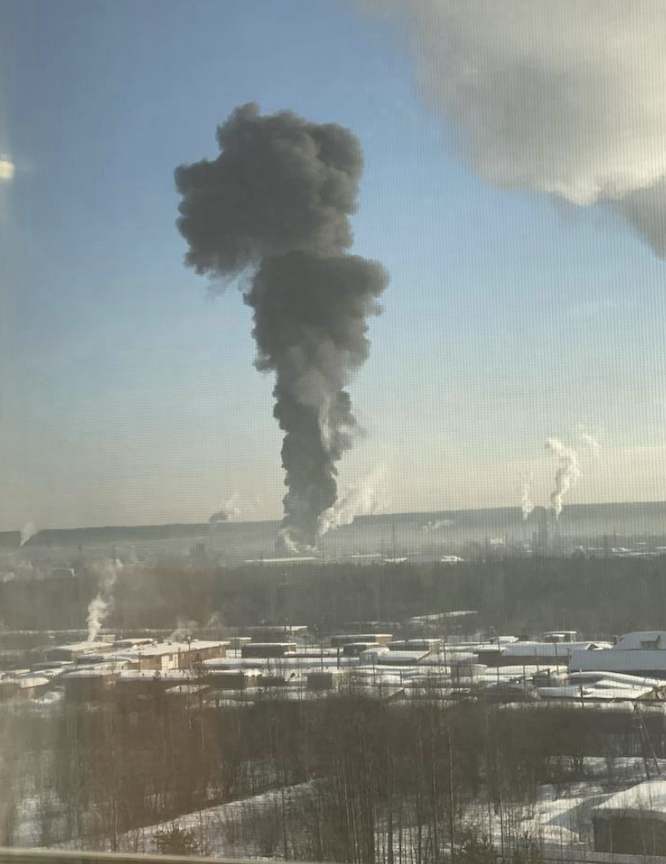
We are working on the Russian Federation in response. I repeat: we do not target the morale of the population, as they do—we work on machine rooms and transformers in regions that provide logistics to the occupying army.
Naturally, the targets are not only energy but also drone repair factories, dual-purpose enterprises, warehouses, communications, rotations for units in the regions, veil—all this in the border regions should lie down, be heated with wood, and be lit from generators. And let them tell the UN about the “tear of a child”—they will be concerned and introduce a “red level of concern.”
Strategy of Bottlenecks and Military-Industrial Complex
In addition, we work on oil refineries. Restricting fuel exports hurts. The attack on the Afipsky refinery was repelled by the S-400—one missile veered off course and hit a residential building. Well done, “Russian ingenuity”—catch drones with telegraph poles with 190 kg of explosives.
We cannot physically destroy dozens of refineries with the forces we have. Allies poured thousands of tons daily on the hubs of Dresden or Ploiești for weeks, and yet production was restored. Therefore, our strikes target oil refineries and oil transfer points at peak consumption, military chemicals to limit the production of millions of shells, power plant machine rooms and transformers, as well as local hubs like Krasnozavodsk with its artillery shell caps. This is our pocket strategy and bottlenecks.
Conclusion: System Resilience
The enemy has created no fatal problems for the system. Yes, it’s difficult for us, it’s uncomfortable, elderly people and children suffer, and we have strict power outage schedules—but globally, we produce long-range drones, Neptunes, Maguras, interceptors, dozens of Bohdana self-propelled artillery units, and more.
The Russians tried to freeze large cities—unsuccessfully. It’s logical—during World War II the Americans targeted Germany’s energy, winter clothing production, and morale, but stopped the factories only by breaking their gates with tanks.
Multibillion-dollar expenses on missiles and the resource of long-range aviation resulted in a system that continues to resist. Behind us are the budgets of the EU and missiles that arrive like in the movies—hours before the strike, turning a hopeless situation into a manageable one. The enemy will not achieve their goals. There will be much more pain and hardship, but we will overcome.
Cover photo: Ukrainian Air Force Command
