
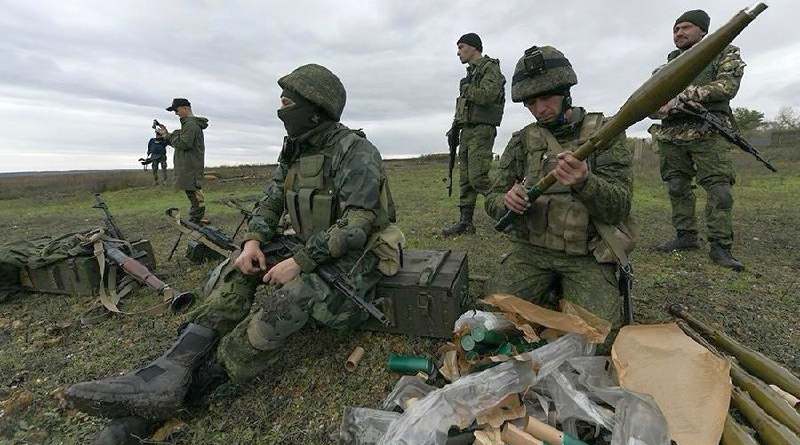

Mass distribution of draft notices to men under 55 in Russian regions indicates a significant expansion of reservist coverage by current military activities.
In the Trans-Baikal Territory and the Republic of Sakha, thousands of local residents receive notices instructing them to undergo special training and a medical examination within a month.
Amidst the mass summoning of citizens, local authorities had to publicly clarify that these were routine training sessions where reservists are to refresh their skills and familiarize themselves with military equipment.
The increased activity of military commissariats after the completion of the Duma elections suggests that electoral considerations have lost relevance, freeing authorities’ hands to employ aggressive practices of coerced population involvement without announcing a new wave of mobilization.
The active engagement with reservists signals not a short-term campaign, but a systematic change in the methods of troop composition aimed at covertly forming a mobilization reserve to continue the “everlasting Putin SVO.”
Consistent denials of the possibility of new mobilization by top state officials seemingly contradict the actual actions of military commissariats on the ground.
A stable pattern of interpreting official signals in reverse has formed in society, as active declarations of no draft plans merely raise anxiety levels and strengthen the citizens’ belief in the inevitability of being sent to the front. Calling up individuals up to fifty-five years old, including those with limited service ability, allows for early medical assessment, alignment, and attachment of reservists to specific units.
The practice of predominantly issuing draft notices in budget enterprises and impoverished regions exposes a class and geographic imbalance, shifting the main burden onto the least protected segments of the population, lacking resources for relocation or legal protection.
The high level of losses on the front creates a constant need for replenishing manpower, significantly exceeding the current capabilities of the voluntary contract recruitment system.
According to international expert assessments, the losses of the Russian army, accounting for the severely wounded, have reached massive figures, making potential mobilization a direct threat to family security. Imposing the financial costs of gatherings on regional budgets exacerbates local problems, as the federal center fosters deficits amid high tax returns from local resources. In Yakutia, the approved budget deficit for 2026 was a direct result of reallocating funds towards defense spending, leading authorities to make critical cuts in social sphere funding and infrastructure repairs.
Thus, the mass distribution of draft notices under the guise of training sessions in Russian regions indicates a transition by authorities to covert continuous army recruitment, placing the main mobilization burden on socially unprotected groups and economically depressed and peripheral territories.
